Microdosing isn’t always smooth sailing. Sometimes, instead of flow states and focus, what comes up is…grief. Or anger. Or the tears you didn’t know were hiding just beneath your morning coffee. Here’s how to navigate those moments with care and curiosity.
I started microdosing with pretty typical expectations. I wanted to feel a little more focused, a little more inspired, and maybe less anxious when facing the blank page. I had read the blogs, listened to the podcasts, and absorbed the glowing testimonials about microdosing being this subtle but powerful way to hack your mood and creativity. So I followed the advice: a small, carefully measured dose of psilocybin every third day. Nothing intense. Just a gentle shift, or so I thought.
On the second week, something unexpected happened. It was a regular Tuesday morning—I had my coffee, my to-do list, my usual routine. But as I sat down to start writing, I felt… off. There was a strange heaviness in my chest, like grief with no name. I brushed it off, figured maybe I hadn’t slept well or needed another cup of caffeine. But then came the tears. Silent, steady, totally out of the blue. I wasn’t thinking about anything sad. Nothing had “happened.” I just suddenly felt cracked open, vulnerable in a way I hadn’t in years. I curled up on the floor in my bathrobe and let the wave move through me, unsure of where it came from or what it meant.
That wasn’t in the microdosing guides. Nobody mentioned the possibility of spontaneous sadness or emotional release in the middle of a seemingly normal morning. And yet, as I later learned, I wasn’t alone. Many people who begin microdosing for performance or creativity end up discovering something deeper: that psychedelics—even in tiny doses—can stir the emotional pot in ways you might not expect. They can shine a gentle spotlight on the parts of ourselves we’ve been avoiding, numbing, or simply too busy to notice.
What I initially saw as a problem—a “side effect”—turned out to be something much more profound. That quiet breakdown became a turning point. It opened a door to emotions I hadn’t been allowing myself to feel, and it shifted the way I approached microdosing entirely. This wasn’t about pushing harder, doing more, or optimizing my brain. This was about listening. Slowing down. Letting myself feel. And maybe, just maybe, healing.
This article is for anyone who’s had a similar experience—who’s taken a microdose expecting clarity or focus and found something tender instead. It’s a guide for how to navigate those emotional waves, how to integrate what comes up, and how to care for yourself when microdosing doesn’t just elevate your mind but opens your heart.

Before you face your emotions, check out this simple, no-stress guide to doing it right
Why Microdosing Stirs the Emotional Waters
What I didn’t understand at the time—and what so many people new to microdosing don’t realize—is that even tiny doses of psychedelics can shift your emotional landscape. Microdosing doesn’t only influence attention, creativity, or productivity. It can also increase sensitivity, open emotional channels, and stir up material from your subconscious that’s been waiting for a safe moment to surface.
This happens because psychedelics, including psilocybin, interact directly with brain regions that govern emotional regulation, memory, and sensory perception. Psilocybin decreases activity in the Default Mode Network (DMN)—a system linked to self-referential thought and rumination. When the DMN quiets down, suppressed thoughts and feelings can rise to the surface. Think of it less as “new” emotions being created and more like long-ignored emotions finally being allowed to speak.
On top of that, psilocybin enhances neuroplasticity, the brain’s ability to reorganize and form new connections. While this is great for breaking out of mental ruts, it also means the brain becomes more responsive—more open to feeling what’s been pushed aside. In the microdosing world, this is sometimes called emergence: the gentle rising of unresolved feelings, memories, or inner tension that’s ready to be witnessed and healed.
So if microdosing has brought up unexpected emotions for you—sadness, anxiety, grief, even joy so intense it feels overwhelming—know this: it’s not a setback. It’s not a sign that something’s wrong. It’s a sign that something deep inside you is stirring, shifting, moving.
Check out this magic mushroom!!

A.P.E Psilocybin Chocolate Bar
$60.00Dried Penis Envy Magic Mushrooms
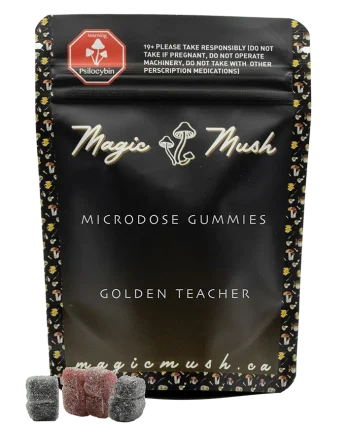
Price range: $60.00 through $240.00Golden Teacher Gummies for Microdosing
$25.00


Why These Feelings Arise—and What They Might Be Telling You
The emotional side effects of microdosing aren’t random. They’re tied to the way psilocybin amplifies your internal awareness. Suddenly, the quiet discomfort you’ve been ignoring becomes louder. That unresolved memory resurfaces. The edge of burnout starts to feel sharper. You might feel unusually irritable, melancholic, or introspective—even if nothing seems “wrong” externally.
These reactions are often part of your system trying to recalibrate. Emotions are messengers. When we microdose, we sometimes become more attuned to them than we’re used to. That can be disorienting at first, especially if you were expecting clarity, not crying.
But the truth is, this heightened emotional awareness can be an opening. An opportunity. A mirror. Feeling more doesn’t mean you’re doing it wrong. It means you’re being given access to material that, once integrated, can actually free up space inside you—for joy, creativity, focus, and connection.
How to Support Yourself Through the Emotional Waves
When emotions rise during microdosing, the most important thing you can do is pause and notice. Don’t immediately try to fix, suppress, or analyze. Just notice. Where does the emotion live in your body? What thoughts accompany it? Can you name it without judging it?
Sometimes a few minutes of breathwork can help you return to center. Sometimes a walk in nature or gentle movement helps you process what’s moving through you. Other times, journaling or leaving yourself a voice note can be grounding. Write or speak honestly: “Today I felt heavier than usual. There’s something just beneath the surface, but I don’t know what it is yet.” That kind of honesty builds trust within yourself.
It’s also wise to check in with your dosage and protocol. Are you taking too much? Too often? Taking breaks matters and I didn’t realize that until I wrote about it. And while protocols like the Fadiman method (one day on, two days off) or the Stamets stack offer structure, they’re not one-size-fits-all. If you’re feeling emotionally flooded, it may be time to take a few days—or even weeks—off. That doesn’t mean you’ve failed. It means you’re listening.

If you’re ready to explore the deeper layers of healing, this article is a powerful place to begin
Integrating the Tough Days
The real magic often happens not during the microdosing day itself, but in the days after. That’s where integration comes in—the process of making meaning out of the experience. After an emotionally charged microdosing session, give yourself time to reflect. Make space for self-care. Take a long bath, go for a solo walk, or have a gentle conversation with someone you trust.
Talk to a therapist if you can—especially one who’s familiar with psychedelic integration. If that’s not available, write yourself a letter from your current self to your past self. Or draw what the feeling looked like. Give the emotion form, expression, acknowledgment.
You might also consider joining a microdosing support group or online community. Spaces like DoubleBlind, The Third Wave, or local integration circles can offer connection, perspective, and reassurance. You’re not alone in this. Many people have experienced these emotional waves and have found them to be deeply healing once they’re understood.
👽 I used to skip integration—until I realized it’s where the real transformation happens.
Check out this magic mushroom!!
Albino Melmac – 7G Dried
$70.00Blue Pulaski – 7g Magic Mushrooms
$65.00Extra-Strength Albino Penis Envy Capsule
Price range: $80.00 through $140.00Cambodian Dried Magic Mushroom
Price range: $60.00 through $195.00


When to Step Back and Seek Help
While emotional release during microdosing can be healing, it’s important to distinguish it from emotional dysregulation. If you find yourself feeling consistently overwhelmed, stuck in a depressive loop, unable to function in daily life, or experiencing intrusive thoughts, it may be a sign that microdosing isn’t right for you at this moment—or that additional support is needed.
There’s no shame in pausing. There’s no failure in seeking professional guidance. Microdosing is a powerful tool, but it’s not a substitute for therapy or mental health care. If what’s surfacing feels bigger than what you can hold, reach out to someone trained to hold it with you.
The goal isn’t to be numb. The goal is to be present—and safe enough to explore what comes up.
The Psychedelic Connection: Why Psilocybin Brings Us Closer to Our Emotions
Psilocybin isn’t an emotional suppressant. If anything, it’s an emotional amplifier. It doesn’t create pain out of nowhere—it shines light on what’s already there. In low doses, it invites us to feel more deeply, more honestly. This can be uncomfortable—but it can also be liberating.
Integration specialists like Françoise Bourzat and Dr. Rosalind Watts speak often about this emotional surfacing. Watts, a clinical psychologist and psychedelic researcher, has described psilocybin therapy as a way of “opening the heart” and helping people connect with their emotions in a way that feels both sacred and grounded. Bourzat, in her book Consciousness Medicine, emphasizes that healing doesn’t happen by bypassing pain—but by moving through it with presence and support.
Emotions are not distractions. They’re data. They’re the stories our bodies are trying to tell us when the mind is too busy to listen.
If you’re feeling the weight of everything this year brought, this piece offers a gentle way to process and integrate.
Want to Go Deeper? Explore These Tools
If you’re navigating emotional waves brought on by microdosing and want support, there are some amazing tools out there to guide you through integration. Consciousness Medicine by Françoise Bourzat offers a compassionate, thorough look at psychedelic healing and emotional processing. The documentary How to Change Your Mind explores real-life journeys and the complexities of emotional transformation, especially the importance of support after the trip.
DoubleBlind’s article “How to Sit with Discomfort After a Trip” is a practical, heart-centered resource. And if you’re looking for something more daily and meditative, the Waking Up app by Sam Harris includes mindfulness practices that can help you become more aware of your emotional states and move through them more gently.
These resources won’t take the place of personal reflection, but they can be a steady hand on your shoulder as you walk this path.
Feeling More Isn’t Failure—It’s the Work
If you’ve found yourself surprised by the emotional side effects of microdosing, know this: it doesn’t mean you’re broken, fragile, or doing it wrong. It means something real is stirring inside you. Something ready to be seen, heard, healed. Microdosing isn’t always about performance and productivity. Sometimes, it’s about remembering how to feel—fully, honestly, and without judgment.
This path isn’t linear. Some days will feel light and expansive. Others might be heavy and raw. That’s not failure. That’s the work. That’s healing. Give yourself permission to slow down. To take breaks. To adjust your protocol. To reach out for support.
Because this journey—this very human, very brave journey of facing what’s inside—isn’t about hacking your brain. It’s about honoring it. And every emotion, even the tough ones, is part of that sacred conversation.

This guide will help understand how journaling can turn a microdose into real emotional growth
Feeling Too Much? Find Support and Guidance with Magic Mush
Navigating unexpected emotions during microdosing can be disorienting, but it’s often a sign that something within you is ready to be witnessed, released, and healed. Throughout this article, we explored how microdosing—even in small, sub-perceptual doses—can stir emotional waves by softening the mind’s defenses and amplifying what’s already beneath the surface. From increased emotional sensitivity to the surfacing of unresolved memories, this process is not a detour, but part of the journey. It’s how psilocybin opens doors—not just to creativity or clarity, but to deeper self-understanding and emotional resilience.
We looked at why these feelings arise, how to respond when they do, and why integration is such a crucial piece of the puzzle. From grounding tools and journaling to taking breaks or reaching out for support, the key takeaway is this: emotional healing is not a glitch in your protocol—it’s one of the deepest gifts psychedelics have to offer. When approached with curiosity and care, even the hardest days can become turning points. Microdosing is not about fixing you—it’s about helping you feel more whole.
If you’re ready to begin or continue your microdosing journey with safety, clarity, and trusted support, Magic Mush is here for you. As one of Canada’s most respected names in the magic mushroom space, Magic Mush provides premium-quality psilocybin products like microdosing bundles and chocolate shrooms, and a commitment to education, empowerment, and community. Whether you’re just starting out or seeking to deepen your emotional healing practice, Magic Mush offers the tools, insights, and guidance to help you move forward with confidence and compassion.
At Magic Mush, we believe that psilocybin has the potential to transform—not just how we feel, but how we relate to ourselves. That’s why we emphasize safe usage, rigorous product testing, and thoughtful support every step of the way. Our goal is to destigmatize magic mushrooms in Ottawa and to create a welcoming space where healing and self-discovery are honored. From detailed guides and educational resources to seamless online shopping and exceptional customer service, everything we offer is designed to help you explore psychedelics with respect and intention.