I’ll never forget the first time I tried to talk to my mom about psychedelics. I had just come back from what I can only describe as one of the most eye-opening weekends of my life. Mushrooms had helped me see patterns in my behavior that were hurting me, allowed me to let go of some really old emotional baggage, and given me this renewed sense of joy I hadn’t felt since childhood. Naturally, I wanted to share that with my mom. I thought she’d be excited, maybe even proud that I was finally finding tools that actually worked for my mental health. Instead, she froze, stared at me like I’d confessed to joining a secret cult in the desert, and said, “You know drugs ruin people’s lives, right?”
The conversation quickly spiraled. She asked if I was “addicted already,” Googled “signs of drug abuse” right in front of me, and called my dad into the room, who launched into a Nancy Reagan-style speech about “just saying no.” In that moment, I felt both misunderstood and a little ridiculous. Here I was, trying to share the most meaningful breakthrough I’d ever had, and all they could hear was “your kid is doing drugs.” It stung. I felt small, embarrassed, and honestly, a little angry.
But under that frustration, there was this ache—a longing to be understood. I didn’t want my parents to think I was reckless or self-destructive. I wanted them to know I was trying to heal, that I was making thoughtful choices, that this wasn’t rebellion but growth. That gap between what I hoped for and what actually happened was massive, and it made me realize something important: talking to parents about psychedelics isn’t just about sharing information, it’s about crossing a generational bridge that was never built for this conversation in the first place.
So if you’ve had your own mushroom epiphany, maybe you can relate. You come home glowing, your heart wide open, wanting to tell the people you love most about what’s helping you, and instead you’re met with fear, skepticism, or outright dismissal. The good news is, you’re not alone. The even better news? There are ways to navigate this conversation that don’t involve sounding like you’re trying to recruit your mom and dad into a mushroom monastery.
🍄Discover how to open up about your magic mushroom experiences and share your journey without judgment with this helpful guide I wrote

Why Talking to Your Parents About Psychedelics Feels Like Speaking a Foreign Language They Don’t Want to Learn
Here’s the thing: our parents were raised in a very different cultural landscape. Many of them grew up during the height of the War on Drugs, when the government ran commercials showing fried eggs to demonstrate what “your brain on drugs” supposedly looked like. Psychedelics weren’t framed as tools for healing or growth—they were painted as dangerous, mind-melting substances that turned people into criminals, burnouts, or worse. That messaging didn’t just shape policy; it seeped into the cultural fabric, into family dinner conversations, into the quiet warnings parents passed on to their kids.
So when you bring up mushrooms, LSD, or ayahuasca, your parents don’t hear “I’m working on my mental health in an innovative way.” They hear decades of propaganda echoing in their minds. They hear cognitive dissonance—that uncomfortable clash between the beliefs they’ve held for decades and the new information you’re presenting. To resolve that discomfort, most people default to dismissing the new idea. That’s not ignorance, it’s human psychology.
On top of that, confirmation bias kicks in. If all the news stories they’ve ever seen about psychedelics involved arrests, overdoses, or “youth gone wild,” then that’s the story their brains will keep telling them. Even if you show them the latest Johns Hopkins study, they’ll subconsciously filter it through years of programming. Add in projection—where your parents’ fears about their own safety, mortality, or control get placed onto you—and suddenly, your healing experience becomes a perceived threat.
Understanding this isn’t about excusing their reaction. It’s about recognizing that you’re not dealing with hostility so much as inherited fear. That’s why these conversations are so hard: you’re not just talking about mushrooms, you’re talking against a wall of stigma built over generations.
The First Thing You Have to Remember: Don’t Start the Conversation Like You’re Delivering a Sermon
The biggest mistake I made with my mom was coming in hot, brimming with excitement, ready to evangelize like I’d just found the secret to life. Psychedelics had been transformative for me, so of course I wanted to share that. But what came across was intensity. And intensity, when someone is already skeptical, feels like pressure. It feels like conversion tactics. And let’s be real: nobody wants to feel like their kid is trying to sell them on a new religion.
So instead of launching into your mushroom manifesto, start with empathy. Acknowledge their perspective before offering yours. Ask questions instead of delivering monologues. A simple, “What have you heard about psychedelics?” can do wonders to soften the walls between you. This isn’t about winning an argument; it’s about creating a space where both of you can be curious. If you treat the conversation like a dialogue instead of a TED Talk, you’re far more likely to be heard.
Check out this magic mushroom!!

A.P.E Psilocybin Chocolate Bar
$60.00Dried Penis Envy Magic Mushrooms
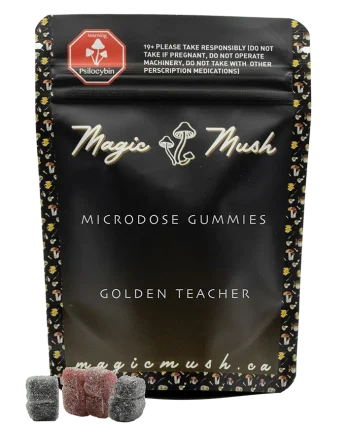
Price range: $60.00 through $240.00Golden Teacher Gummies for Microdosing
$25.00


Timing Is Everything—Don’t Drop the “By the Way I Take Mushrooms” Bomb at Thanksgiving Dinner
Context matters just as much as content. If you try to wedge this conversation into a heated family debate, or worse, after a couple of glasses of wine when everyone’s filter is off, you’re setting yourself up for disaster. Talking about psychedelics requires calm, openness, and a little emotional spaciousness.
I’ve found that the best moments often come when my parents are already reflecting on deeper topics—mental health, grief, therapy, or even spirituality. When the mood is already contemplative, they’re more receptive to hearing something new. On the flip side, blurting it out during a casual fight about chores or politics? Yeah, not the move. Choose a time when they’re relaxed, when you’re both present, and when there’s room to actually explore the topic instead of just react.
The Power of Storytelling—Why Sharing Your Own Journey Works Better Than Throwing Studies in Their Face
Here’s what I eventually realized: facts are useful, but stories change hearts. When I told my mom, “Studies show psilocybin helps with anxiety,” she brushed it off. But when I said, “You know how I used to get so overwhelmed I couldn’t sleep for days? Mushrooms helped me finally feel calm without spiraling,” she paused. She didn’t agree with me, but she listened differently.
Parents want to know their kids are okay. If you can frame your psychedelic experience not as an abstract philosophy but as a specific, grounded improvement in your life, they’re more likely to hear you. Talk about how it helped you grieve, how it gave you clarity in your relationships, how it softened your anxiety. Skip the jargon about “ego death” or “downloads from the universe.” Instead, use language they already understand—therapy, mindfulness, stress relief. The more tangible and relatable your story, the less it sounds like you’ve joined a cult.
Use the Kind of Language They Actually Speak—Because “Neuroplasticity” Is Less Scary Than “Cosmic Downloads”
One of the biggest pitfalls in these conversations is language. Psychedelic culture has its own vocabulary, and while terms like “ego dissolution” or “plant medicine” might resonate with you, they can trigger alarm bells for someone unfamiliar. The trick is translation. Instead of saying, “I had an ego death,” you might say, “I realized how much I over-identify with control, and I was able to let go of some of that.” Instead of, “The universe gave me a download,” try, “I had a deep realization about how I want to live my life.”
Even better, borrow concepts from mindfulness, psychology, or neuroscience. Words like “neuroplasticity,” “trauma healing,” or “mental reset” have cultural weight. They sound clinical, grounded, trustworthy. And if your parents are the type who trust authority figures, referencing the language of therapy or medicine can make all the difference.
🍄See how psychedelics helped heal a struggling relationship and brought connection back into my life in the personal story I wrote
Science Wins Parents Over Way Faster Than Shamans and Aliens—Unless They’re Secretly Into That Stuff
This might sound obvious, but it’s worth saying: if your parents are already skeptical, don’t lead with the mystical stuff. Talking about alien encounters or ayahuasca shamans is probably not going to win them over. But referencing Johns Hopkins studies, Michael Pollan’s How to Change Your Mind, or Netflix’s Fantastic Fungi? That’s credibility they can’t dismiss as easily.
Bring up the fact that mainstream universities are studying psychedelics for depression, PTSD, and end-of-life care. Share that even doctors and therapists are beginning to acknowledge their potential. If your parents are the kind who trust institutions, science is your strongest ally. On the other hand, if your parents lean more spiritual or alternative, you can adjust accordingly—but tread carefully. The goal isn’t to overwhelm them with evidence, it’s to gently open a door.
Accepting That This Conversation Might Never Go the Way You Want—And Why That’s Okay
At some point, you have to release the expectation that your parents will see psychedelics the way you do. They may never try them. They may never fully understand your experiences. And that has to be okay. The goal isn’t conversion; it’s connection.
Sometimes, the most powerful thing you can do is plant a seed. Share your story, let them know you’re safe and thoughtful, and then give them space. You may be surprised down the line when they bring it up on their own. Or maybe they won’t. Either way, you’ve honored your truth without forcing it.
A Quick Word for Anyone Who’s Actually Microdosing or Planning a Trip While Living at Home
This part is optional, but worth mentioning. If you’re microdosing while living at your parents’ house, or planning a bigger journey, it might be worth telling them—not to convince them, but so they don’t freak out if they notice changes in your behavior. Explaining that you’re not “high all the time” but rather taking very small, intentional doses can help ease alarm. Or if you’re planning a trip and think you might need support, framing it as a safety precaution rather than a philosophical pitch can go a long way.
So, How Do You Actually Survive These Conversations Without Losing Your Mind?
At the end of the day, talking to your parents about psychedelics is less about persuasion and more about patience. Lead with empathy. Share your story instead of preaching. Use relatable language. Lean on science when it helps. And most importantly, let go of the need to be understood perfectly. What matters is staying connected, even if you’re standing on opposite sides of a generational canyon.
🍄Discover how psychedelics can open new doors to intimacy and connection in the guide I wrote on enhancing relationships with plant medicines
Ready to Keep This Conversation Going? Here’s Why Magic Mush Canada Has Your Back
If you’ve made it this far, you already know how tricky it can be to talk to parents about psychedelics. It’s not just about dropping facts or winning arguments—it’s about empathy, timing, and being able to translate your experience into a language they can actually hear. We’ve talked about how important it is to avoid preaching, to lean on personal stories instead of lectures, to swap cosmic jargon for relatable words, and to meet them where they’re at. At its core, the whole thing comes down to connection over conversion. The goal isn’t to get them on mushrooms tomorrow, it’s to open the door to understanding, one patient conversation at a time.
And that’s the thing: sometimes your parents may never fully get it. That’s okay. What matters is that you’re honoring your truth, sharing in a way that’s thoughtful and respectful, and maybe planting a seed that could bloom later. Whether or not they change their mind, you’re doing the work of bridging a generational gap, and that’s no small thing. The fact that you’re even reading a guide like this shows you care enough to approach the conversation with love instead of defensiveness—and honestly, that’s what makes all the difference.
This is where Magic Mush Canada comes in. Think of us as that friend in your corner who gets it—the one who’s been there, had the awkward conversations, and knows how much it helps to have solid information and high-quality products backing you up. We’re not here to pressure you or your parents into anything; we’re here to make sure when you do decide to explore, you’ve got the safest, most reliable path possible.
At Magic Mush Canada, we’re all about making dried magic mushrooms approachable, trustworthy, and stigma-free. That means we only carry premium, rigorously tested products, but it also means we spend just as much time on education and community. Whether you’re curious about microdosing, want to learn more about the research, or just need a place that doesn’t make you feel judged for asking questions, we’ve got your back.
So if you’re ready to keep exploring, or if you simply want a trusted space that treats mushrooms like the powerful tools they are (and not some scary taboo), Magic Mush Canada is here for you. Think of us less like a store and more like a buddy that’s helping you navigate this new chapter—except this buddy also happens to deliver discreetly to your door, provide top-tier customer support, and keep you in the loop about the latest research and products. Join our community, stay connected, and discover what’s possible when you have the right people in your corner.