
Psychedelics have been hailed as the new frontier of healing, a way to unlock parts of the mind and heart that conventional medicine sometimes overlooks. When I first heard about microdosing psilocybin, I was curious but cautious. The glowing stories promised increased creativity, improved mood, and a stronger connection to the world around me. I imagined it might help me navigate the everyday stresses, maybe smooth out the jagged edges of anxiety or sadness I had carried quietly for years. But what I wasn’t prepared for was how deeply personal and physical the experience would become—how it would pull me into conversations with my own body, my history, and the invisible ways society shapes women’s healing journeys.
The first time I microdosed, I wasn’t looking for some dramatic “trip” or life-changing revelation. I just wanted to feel a little more myself. But instead of the airy creativity or mental clarity I expected, I found myself sitting with memories and emotions tied to my mother, to my childhood, and to the rhythms of my menstrual cycle—things I hadn’t consciously connected to psychedelics before. My body felt alive in a new way, tuned into hormonal shifts and old wounds that the scientific papers I’d read never seemed to acknowledge. Those studies talked about “connectivity” and “neuroplasticity,” but rarely about the lived realities of being a woman navigating hormonal ebbs and flows, reproductive history, or trauma uniquely shaped by gender.
This gap in the research felt jarring. How could the science promise so much when it seemed to leave out such an essential part of human experience? I began to realize that most clinical trials and psychedelic narratives were written with a male or gender-neutral default in mind, rarely centering female bodies or the nuanced ways women experience mind, body, and spirit. Questions about microdosing and menstruation, hormones and emotional shifts, or the impact of reproductive trauma on psychedelic therapy were almost nowhere to be found. This article is my attempt to explore that silence—to share what it feels like to be a woman in this space, what science still needs to catch up on, and how women like me are navigating their own journeys while waiting for research to see us fully.
🍄 Want to know more about why women microdose for anxiety? Here’s what makes microdosing a popular, gentle way to help manage stress and boost mood safely

Why Most Psychedelic Studies Still Feel Like They’re Designed for Men — and What That Means for Women Who Want to Explore Psilocybin
When I first started getting into psychedelic research, I was struck by an uncomfortable pattern: the studies that dominate headlines, conferences, and treatment protocols seemed to be written as if the typical participant was male. This isn’t just a hunch—many clinical trials explicitly enroll predominantly male participants or exclude women for reasons tied to hormonal fluctuations or reproductive status. The result is a body of science that, while promising, doesn’t fully represent or address women’s unique physiological and psychological experiences.
Why is this happening? The roots go deep into both scientific methodology and cultural assumptions. Clinical trials aim for control, predictability, and replicability—variables that can be hard to manage when studying women because hormonal cycles introduce biological fluctuations. For researchers trained to seek neat, statistically significant results, these fluctuations become “noise” to be avoided rather than meaningful signals to be explored. So women who are menstruating, pregnant, breastfeeding, or going through menopause are often excluded to reduce variability, even though these phases make up the majority of a woman’s life.
This design choice, while understandable from a traditional research standpoint, effectively erases female-specific realities from the dataset. It means that when dosing guidelines, safety profiles, and therapeutic recommendations are developed, they’re based on data that doesn’t reflect how a woman’s brain and body might respond to psilocybin at different points in her cycle or life stages. For example, estrogen and progesterone influence serotonin pathways—the very pathways psilocybin interacts with. Yet, very few studies account for these hormone levels or track their participants’ menstrual phases. The hormonal landscape is not a footnote; it’s a core part of how psychedelics may affect mood, cognition, and emotional processing.
Beyond hormones, women’s lived experiences of trauma are often gendered and deeply embodied. Rates of interpersonal violence, sexual assault, and reproductive trauma are higher among women, shaping how safe or unsafe they might feel in a therapeutic psychedelic session. Most trials don’t include trauma-informed protocols that consider these gender-specific safety needs, leaving women to navigate potentially re-traumatizing experiences without tailored support. This lack of inclusion in study design can lead to therapies that feel alien or even harmful to many women.
Moreover, the language used in psychedelic research and popular discourse often reflects a masculine or gender-neutral default that doesn’t always resonate. Terms like “ego death” and “breakthrough” come from frameworks that emphasize conquest or mastery of the self—concepts that many women find less meaningful than narratives of remembering, surrendering, and relational healing. These linguistic frameworks shape how participants prepare, experience, and integrate psychedelics, so when they don’t match a woman’s lived experience, the therapy can feel disconnected from her needs.
What does this mean for women who want to explore psilocybin today? It means we are often pioneers navigating a landscape that wasn’t designed with us in mind. Without clear research tailored to women, many rely on anecdotal reports, community wisdom, and personal experimentation to guide their journeys. This is both courageous and risky. Without robust data, questions about optimal dosing across menstrual cycles, safe timing around hormonal contraception, or managing integration of reproductive trauma remain largely unanswered. Women often have to become their own scientists, tracking cycles, moods, and effects to find what works.
Thankfully, change is on the horizon. More researchers are calling for gender-inclusive studies that intentionally recruit women across reproductive stages and account for hormonal variability. Feminist scholars and psychedelic women’s collectives are pushing the conversation forward, emphasizing the importance of cycle-aware psychedelics and trauma-informed care. But until these shifts happen on a broader scale, women exploring psilocybin must trust their embodied knowledge, build supportive communities, and advocate for research that truly sees them.
Check out this magic mushroom!!

A.P.E Psilocybin Chocolate Bar
$60.00Dried Penis Envy Magic Mushrooms
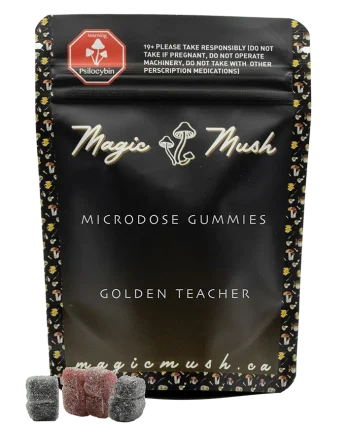
Price range: $60.00 through $240.00Golden Teacher Gummies for Microdosing
$25.00


How Women’s Hormones and Life Experiences Create a Totally Different Psychedelic Journey — but We Rarely See This Reflected in Research or Therapy
Hormones are powerful storytellers in the female body, shaping mood, cognition, emotional safety, and even neurochemical responses. When you bring psychedelics into the mix, these hormonal cycles can profoundly alter the experience. Yet, research seldom explores this. Women’s brains don’t just operate on a “male baseline” plus some hormones—they have dynamic cycles that affect how psilocybin might work in deeply personal ways.
Beyond hormones, women’s life experiences, especially around trauma, are often fundamentally different from men’s. Many women carry trauma related to birth, miscarriage, sexual violence, or systemic social conditioning that teaches surrender and shrinking for safety. Psychedelic experiences, including the much-discussed “ego death” or “breakthrough,” are often framed in male-centric language as conquering or dissolving the self. For many women, it’s less about conquest and more about remembering, reclaiming parts of themselves lost or hidden through trauma and societal pressures.
This mismatch between female experience and the language and design of psychedelic therapy can alienate women. It makes it harder to feel seen or to trust that their unique healing paths are valid. It’s why many women report the most profound healing happens not just with the psychedelic substance itself, but when they find community, safety, and shared stories with other women.
Why the Language We Use Around Psychedelics Can Either Help Women Feel Seen — or Leave Them Feeling Invisible
Language shapes not only how we talk about psychedelics, but how we understand and access their healing potential. Unfortunately, much of the psychedelic discourse is steeped in abstractions that don’t always resonate with women’s embodied realities. Words like “ego death,” “transcendence,” or “breaking through” often describe the experience as an external battle or conquest over the self.
For many women, the psychedelic journey is less about vanquishing the ego and more about reconnecting to a body and psyche fragmented by trauma, hormonal cycles, and cultural conditioning. It’s a gentle remembering, a reclaiming of the feminine self in all its complexity. When the language around psychedelics prioritizes abstract mental states over emotional, hormonal, and embodied knowledge, it can inadvertently silence women’s voices and make their experiences seem “less valid” or harder to describe.
That’s why community and shared storytelling among women is so powerful. When women gather and share their experiences openly, they create new language and frameworks that reflect female psychedelic journeys more authentically. This collective narrative becomes medicine in itself, helping women feel seen, safe, and supported.
🍄 Want to connect with your inner feminine power? Here’s a guide to awakening the Divine Feminine energy and embracing your creative, nurturing side

How Microdosing Psilocybin Can Be a Gentle, Cycle-Aware Practice That Honors the Feminine Psyche — But Only If We Have the Right Research to Guide Us
Microdosing psilocybin has gained popularity as a subtle way to improve mood, creativity, and emotional regulation without the intense trips associated with higher doses. For many women, microdosing feels like a gentle invitation to tune into their bodies, listen to their cycles, and access intuition and emotional presence more easily.
When approached thoughtfully, microdosing can serve as a kind of cycle-aware practice—meaning women might adjust doses or timing based on where they are in their menstrual cycle, hormonal shifts, or emotional needs. Some women report different effects depending on whether they microdose during their follicular phase, ovulation, or luteal phase, connecting more deeply with aspects of themselves that align with those times of the month.
But here’s the catch: without gender-informed research, this remains mostly anecdotal and experimental. Women are left to navigate these subtle variations largely on their own, without clear guidance from science. That’s why we urgently need studies that focus specifically on female hormonal cycles, microdosing, and the nuanced ways psilocybin interacts with female biology.
In the meantime, women exploring microdosing can benefit hugely from tracking their cycles, journaling their experiences, and sharing stories within female-centered communities that value embodied knowledge.
The Feminine Psyche Doesn’t Need to Be Discovered—It Just Needs to Be Listened To
The truth is, the feminine psychedelic experience isn’t some mysterious discovery waiting to be unearthed by science. It’s already here, alive in the bodies, stories, and cycles of millions of women. What we need is for the research to catch up—to listen carefully and honor the complexity of female biology, trauma, and healing.
If you’re a woman exploring psychedelics, trust your body. Track your cycle and notice how your experiences shift. Share your story, because even if the science is slow to reflect your truth, you are already the data. Your lived experience matters.
The future of psychedelic therapy has to be gender-inclusive, cycle-aware, and community-driven. Until then, we keep creating space for women to be seen, heard, and healed on their own terms.
🍄 Here’s a women-focused guide on how to manage depression with shrooms, what to expect, and how to do it safely

Discover the Magic of Mushrooms with Magic Mush
This journey into microdosing psilocybin as a woman has revealed more than just personal insight—it has exposed a glaring gap in psychedelic science. While the promise of healing and connection through psilocybin is real and powerful, the existing research largely overlooks the unique experiences of women. From hormonal fluctuations and cycle-aware psychedelics to trauma that lives in the body, the science doesn’t yet fully see or serve women’s needs. The language of “ego death” and “breakthrough” often misses the embodied, relational, and nuanced ways women navigate these journeys. Until research catches up, women are left to trust their own bodies, track their cycles, and find community support as vital tools for safe and meaningful exploration.
The story doesn’t end there. Microdosing can be a gentle, accessible way to reconnect with feminine rhythms, tune into emotional landscapes, and build resilience—when done with awareness and care. But this requires not only more gender-informed research but also resources, education, and support tailored to women’s realities. It’s a call to clinicians, researchers, and the psychedelic community to listen more closely, and a call to women to honor their own experiences as valid data worthy of attention and respect.
That’s where Magic Mush comes in. As a trusted source for premium magic mushrooms in Toronto, Magic Mush is committed to not only providing the highest quality products but also to empowering women and all individuals with education and safe usage guidance. Whether you are new to microdosing or exploring more therapeutic avenues, Magic Mush offers rigorously tested mushrooms products like chocolate shrooms, expert knowledge, and a welcoming community. They understand that psychedelic journeys are deeply personal and that safe, informed use is essential for meaningful healing and growth.
Magic Mush stands out by challenging stigma and fostering inclusivity in the psychedelic space. Their team supports every step of your exploration with privacy, exceptional customer service, and educational resources tailored to your needs. By choosing Magic Mush, you join a wave of change dedicated to unlocking the transformative benefits of psilocybin with respect for diverse experiences—especially those of women whose voices have been historically overlooked.
If you’re ready to explore the possibilities of magic mushrooms with confidence, visit Magic Mush today. Experience a safe, supportive environment where your journey is honored, your questions are answered, and your growth is celebrated. Because when it comes to psychedelic healing, you deserve a trusted partner who sees all of you.

