The connection between Buddhism and psychedelics is a topic that intrigues both scholars and spiritual seekers. Questions about the historical intersection of psychoactive substances and Buddhist rituals often arise, especially as modern interest in entheogens continues to grow. Could ancient Buddhist practitioners have used substances like psilocybin mushrooms or other mind-altering substances to deepen their spiritual experiences? This thought-provoking inquiry has captured the imagination of many, drawing a connection between the rich traditions of Buddhism and the mystical properties of psychedelics.
During my early explorations into Buddhism, I was captivated by its profound teachings on mindfulness, meditation, and the quest for enlightenment. The more I dove into the philosophical aspects, the more curious I became about the experiences of ancient practitioners. What tools, if any, did they use to attain altered states of consciousness, and could psychedelics have played a role? As I began researching, I found myself pondering whether ancient Buddhists, in their pursuit of enlightenment, turned to external aids, such as psychoactive substances, to enhance their spiritual practices. This exploration led me to uncover a fascinating, though debated, intersection of psychedelics and Buddhist ritual.
READ: Chakra Meditation: How Microdosing Can Deepen Your Practice
Defining Psychedelics and Their Historical Context
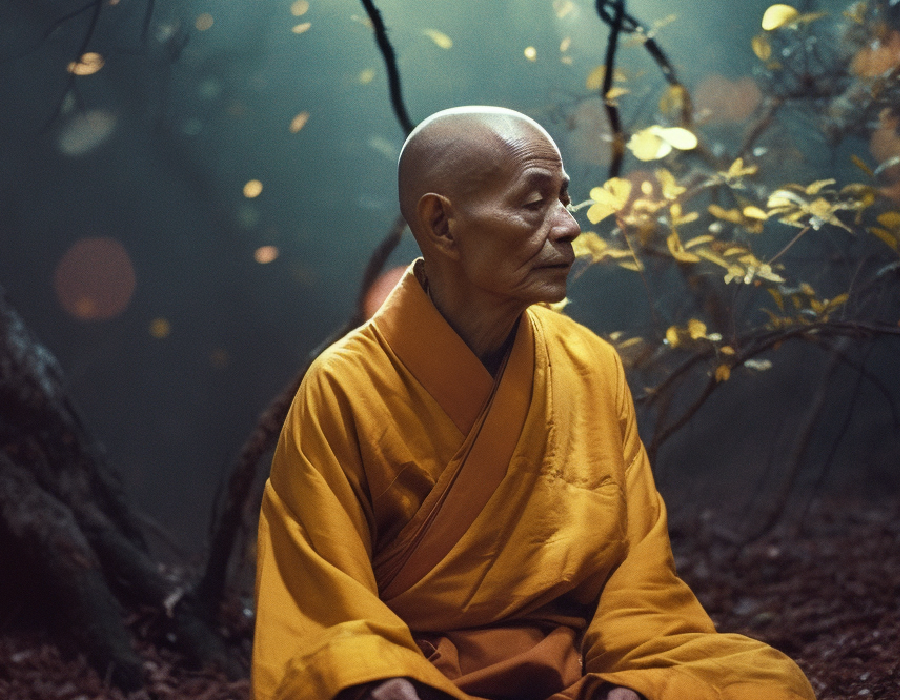
Psychedelics, often referred to as hallucinogens or entheogens, are a class of substances that alter perception, mood, and various cognitive processes. These substances have been used for centuries, not only as tools for spiritual exploration but also as catalysts for introspection and healing. The fascinating aspect of psychedelics lies in their ability to induce altered states of consciousness, where time may feel distorted, the sense of self may dissolve, and vivid sensory experiences may unfold. This transformative potential has drawn people to these substances throughout history, from indigenous ceremonies to modern therapeutic contexts. Understanding psychedelics within their historical framework is essential for appreciating their role in ancient spiritual practices, such as Buddhism.
What Are Psychedelics?
Psychedelics are compounds that primarily affect serotonin receptors in the brain, particularly the 5-HT2A receptor, leading to a wide range of psychological and sensory effects. These substances can alter perceptions of reality, inducing visual and auditory hallucinations, enhanced sensory experiences, and profound emotional and cognitive shifts. Commonly known psychedelics include substances like psilocybin (found in magic mushrooms), DMT (found in certain plants and the venom of the Bufo alvarius toad), and LSD. The term “psychedelic,” which means “mind-manifesting,” was coined in the 1950s by psychiatrist Humphry Osmond, who aimed to describe the profound alterations in consciousness that these substances could induce.
While these substances have gained significant attention in recent years due to their therapeutic potential in treating conditions like depression, anxiety, and PTSD, their use stretches far beyond contemporary science. In ancient traditions, psychedelics were often seen as sacred tools used to connect with the divine or to access hidden layers of consciousness. The reverence for these substances was rooted in a deep respect for the spiritual and transformative power they were believed to hold.
Historical Use of Psychedelics in Various Cultures
Psychedelics have a long history of use in spiritual rituals and ceremonies across various cultures. One of the earliest known uses of a psychoactive substance comes from the ancient Vedic traditions of India, where the plant-based substance soma was used in religious rituals. Soma, often believed to be a hallucinogenic plant, was consumed to induce altered states of consciousness, which were thought to bring the user closer to the gods. Similar practices can be found in the religious traditions of the ancient Americas, where indigenous peoples used plants like peyote, ayahuasca, and psilocybin-containing mushrooms as sacramental substances to communicate with spirits and the divine.
In these cultures, the use of psychedelics was typically structured and guided by experienced shamans or spiritual leaders. The substances were consumed in specific rituals with the intent of achieving enlightenment, healing, or visions that would provide insight into the nature of the self and the universe. The belief that these substances could open a doorway to a higher understanding was central to their role in spiritual practices.
READ: Cultivating A Spiritual Practice: A Guide For Busy Lives
Psychedelics in Religious and Spiritual Contexts
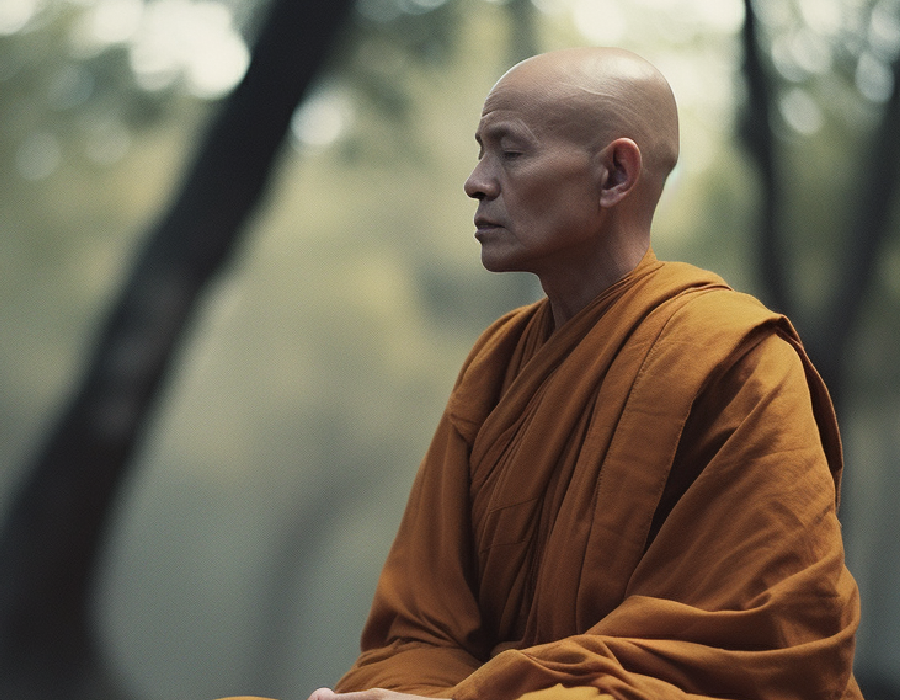
The use of psychedelics has always been intertwined with religious and spiritual practices. Many of these substances were viewed as entheogens—meaning “generating the divine within.” Their use was believed to facilitate communion with gods, ancestors, or the universal spirit. In the case of the ancient Greeks, the Eleusinian Mysteries were a series of secretive religious rites in which the participants consumed a psychoactive drink, which some scholars believe contained ergot (a fungus that produces LSD-like effects), in order to experience divine revelations and spiritual enlightenment.
In more recent history, the use of psychedelics has extended into therapeutic settings, particularly with the resurgence of research into substances like psilocybin and MDMA for their potential in treating mental health disorders. While the primary aim in ancient contexts was often spiritual enlightenment or healing, contemporary studies focus on using psychedelics to facilitate emotional breakthroughs and cognitive restructuring, proving that these substances may hold therapeutic benefits in both historical and modern contexts.
The Role of Psychedelics in Shaping Consciousness
The historical use of psychedelics is deeply tied to the broader theme of expanding and exploring human consciousness. Throughout time, individuals have turned to these substances to break free from the limitations of ordinary perception, hoping to access higher truths or greater spiritual awareness. The concept of using a substance to transcend ordinary reality and delve into a more profound, mystical experience is not new; it has been part of human culture for millennia. Psychedelics were often seen as keys to unlocking doors of perception, providing access to wisdom and insights that were otherwise hidden.
In the context of ancient religious practices, altered states induced by psychedelics were considered a way to move beyond the ego and attain spiritual awakening. The profound and often ineffable experiences that psychedelics facilitate have led many users to describe them as mystical or transcendent, providing a sense of unity with the universe, the divine, or the collective consciousness. In this sense, psychedelics were not just substances to be consumed, but powerful tools for spiritual growth and enlightenment.
READ: 10 Signs You’re Going Through A Spiritual Awakening

Psychedelic Use in Buddhist Contexts
As with other religious traditions, psychedelics have also found their way into the spiritual practices of Buddhism. However, the role of psychedelics in ancient Buddhism is a subject of much debate. Some scholars suggest that certain practices within the Vajrayana (Tantric) school of Buddhism may have involved the use of psychoactive substances, such as amrita, a sacred nectar. This nectar, thought to symbolize immortality, could have had entheogenic properties, helping practitioners enter altered states of consciousness necessary for spiritual initiation or realization.
However, the exact role of substances like amrita in Buddhist practices remains speculative. The primary focus in most Buddhist traditions, particularly in the Theravada and Mahayana schools, is on mindfulness, meditation, and ethical living to achieve enlightenment. Even within Vajrayana Buddhism, there is little concrete evidence to definitively link psychedelic substances to core spiritual practices. That being said, the broader historical context of psychedelics in religious rituals, as seen in other traditions, suggests that psychoactive substances may have played some role in certain Buddhist rites or practices, although their use was likely far more limited than in other spiritual traditions.
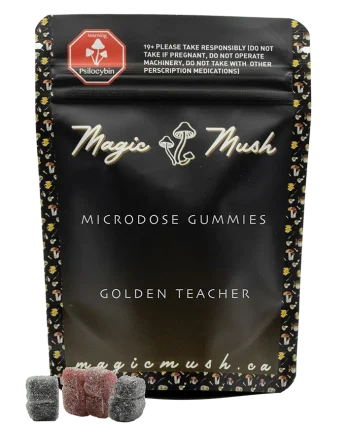
Check out this magic mushroom!!

A.P.E Psilocybin Chocolate Bar
$60.00Dried Penis Envy Magic Mushrooms
Price range: $60.00 through $240.00Golden Teacher Gummies for Microdosing
$25.00


Evidence of Psychedelic Use in Buddhist Traditions
Vajrayana Buddhism: Rituals and Amrita
Vajrayana Buddhism, particularly within Tibetan and Himalayan traditions, includes a wide array of ritualistic practices aimed at achieving enlightenment. Among the most significant elements of these rituals is the use of substances believed to have sacred properties. One such substance is “amrita,” often referred to as the “nectar of immortality.” Amrita is depicted as a divine liquid that bestows spiritual power and enlightenment upon those who partake in it.
Some scholars have suggested that the term “amrita” may refer not only to a symbolic or ritualistic concept but also to a psychoactive substance. The idea is that the amrita used in certain Vajrayana rituals may have had entheogenic properties, potentially serving as a vehicle for inducing altered states of consciousness during meditation or initiation rites. While there is no direct evidence linking amrita to any specific psychedelic substance, the association of this sacred nectar with spiritual transformation and heightened awareness suggests that psychoactive substances could have been a part of these ancient practices.
Datura Seeds: A Psychoactive Substance in Rituals
Another substance that has garnered attention in the context of Buddhist rituals is the Datura plant. Known for its psychoactive properties, Datura has been used in various cultures around the world to induce altered states of consciousness. In Tibetan Buddhism, particularly within some Vajrayana practices, there are historical accounts suggesting that Datura seeds were used in specific rituals to facilitate visionary experiences and heightened spiritual awareness.
Datura seeds contain tropane alkaloids such as scopolamine and atropine, which are known to cause intense hallucinations, altered perception of time, and a sense of detachment from reality. While the use of Datura was likely not widespread, some Buddhist texts and oral traditions hint at its role in certain sacred rites aimed at inducing mystical or transformative experiences. However, given the dangerous and unpredictable nature of Datura, its use in Buddhist ceremonies remains a topic of speculation rather than established fact.
READ: How to Meditate – A Beginner’s Journey

Scholarly Perspectives
Entheogens in Buddhism: Research and Exploration
Research into the potential use of psychedelics in Buddhist traditions has gained momentum in recent years. In publications like the Journal of Psychedelic Studies, scholars have explored the possible role of entheogens in early Buddhist practices. Some theories suggest that certain initiation rites may have involved the use of psychoactive substances to induce states of heightened awareness or transcendence.
In his work Secret Drugs of Buddhism, author and researcher Michael Crowley investigates the historical evidence for entheogenic plants within Buddhist practices. Crowley suggests that substances like amrita and Datura may have been integral to certain mystical or esoteric practices within early Buddhist monasticism. However, as with all topics related to the intersection of psychedelics and spirituality, there is no definitive evidence to conclusively support the widespread use of such substances in ancient Buddhist practices.
The Use of Entheogens in Tantric Buddhism
Tantric Buddhism, particularly in its Vajrayana form, is perhaps the most likely context in which psychedelics may have been used. The esoteric nature of these practices, which focus on ritual, symbolism, and meditation, provides a plausible framework for the inclusion of psychoactive substances. As a result, there is growing interest in the potential role of entheogens in these advanced rituals, though the lack of direct evidence leaves much to speculation.
Counterarguments: The Lack of Conclusive Evidence
Despite the intriguing possibilities suggested by some scholars, the idea of ancient Buddhists using psychedelics remains contentious. Critics argue that the available evidence is circumstantial at best, with no definitive proof of widespread psychedelic use within Buddhist traditions.
Furthermore, the Fifth Precept in Buddhism, which advises against the consumption of intoxicants that cloud the mind, presents a challenge to the notion of psychedelic use within traditional Buddhist practices. Many interpret this precept as a prohibition against substances that alter the mind in ways that hinder meditation or mindfulness. This interpretation raises the question of whether the potential use of psychedelics was truly aligned with the core principles of Buddhism, especially given the emphasis on mental clarity and self-discipline.
READ: Debunking Myths and Understanding the Risks of Magic Mushrooms

Discover the Role of Psychedelics in Buddhism with Magic Mush
The question of whether ancient Buddhists used psychedelics to enhance spiritual practices remains open to interpretation and research. Historical evidence suggests that certain Buddhist traditions, particularly in Vajrayana Buddhism, may have utilized psychoactive substances like amrita and Datura seeds in their rituals. These substances could have been used to induce altered states of consciousness that were seen as essential for enlightenment or connecting with the divine. Despite these potential links, definitive evidence is scarce, and the role of psychedelics in ancient Buddhism is still debated. In modern times, the conversation has evolved, with more people considering how psychedelics could intersect with mindfulness and meditation in contemporary Buddhist practices.
While the ancient use of psychedelics in Buddhism may never be fully confirmed, there is much to learn about the ways altered states of consciousness have been used to deepen spiritual experiences throughout history. With ongoing research into the therapeutic potential of psychedelics, the conversation around substances like psilocybin mushrooms continues to grow. As we continue to explore the intersection of Buddhism, consciousness, and psychoactive substances, it’s clear that these tools could offer new ways to understand mindfulness, healing, and personal transformation.
At Magic Mush, we’re here to help you explore the transformative potential of magic mushrooms in a safe, supportive environment. As experts in the field, we offer high-quality products edibles like dried magic mushrooms, chocolate shrooms, and gummies to help you understand the therapeutic benefits of psychedelics. Whether you are interested in the historical context of substances like psilocybin or you’re seeking to incorporate them into your own personal journey, Magic Mush provides the resources, knowledge, and products you need to make informed choices. With our rigorous testing and commitment to high standards, you can trust that you’re receiving only the best.
If you’re ready to unlock the benefits of magic mushrooms and join a community that values safe usage and education, Magic Mush is your trusted partner in the Canadian magic mushroom industry. Visit our shop to discover a wide variety of products, enjoy seamless delivery to Edmonton and Ottawa, and benefit from exceptional customer service. Together, we can challenge societal biases, foster a supportive community, and explore the endless possibilities that psychedelics offer. Start your journey with Magic Mush today—your next step toward transformation is just a click away.