After five years together, my partner and I had mastered the art of avoidance. We could sit next to each other for hours and still feel like we were oceans apart. The little annoyances started turning into big explosions, and the big issues were just swept into silence. Every attempt at “talking it out” turned into defensiveness or distance. We weren’t unkind, we weren’t cheating — we were just… disconnected. Stuck.
Then, one night over wine and a shared frustration about how therapy felt like rehearsing the same lines, we stumbled across an article about couples using MDMA-assisted sessions to reconnect. It wasn’t about tripping for fun or escaping problems. It was about softening the noise — fear, ego, past hurts — so people could actually feel each other again. Not analyze, not debate. Just feel. That idea struck a chord. Could psychedelics help people like us — not broken, but bruised — finally speak the same emotional language?
READ: How to Talk to Your Loved Ones About Magic Mushrooms: Share Your Journey Without Judgment

The Psychedelic Path to Connection
This question isn’t as far-out as it used to be. A growing number of couples are exploring the use of psychedelics like MDMA and psilocybin to address relational breakdowns — not just to survive their relationship, but to actually heal it. What was once a niche, experimental idea has become part of a larger conversation about how these substances can open new portals in how we love, communicate, and rebuild trust.
MDMA-assisted therapy was originally explored in the 1980s by MAPS (Multidisciplinary Association for Psychedelic Studies), including some early couples work. The results were promising, but the research stalled with prohibition. Now, it’s gaining momentum again, particularly in the context of trauma and PTSD. In couples therapy, MDMA helps reduce fear-based responses, boosts empathy, and promotes emotional openness — all of which are huge roadblocks in conflict-heavy relationships. Under its influence, people can name hurts they couldn’t admit sober, and hear truths they’d normally defend against.
Psilocybin hasn’t been studied as extensively in romantic partnerships, but in underground and ceremonial settings, its potential is being quietly affirmed. Anecdotally, couples report breakthroughs in forgiveness, shared visions that shift narratives, and moments of profound re-connection — even during conflict. Unlike MDMA, which offers a kind of warm emotional cushion, psilocybin often invites a more symbolic or spiritual lens, which can help partners step back from stories and see the bigger picture of their connection.
Both substances appear to work by influencing mechanisms that support intimacy: increased oxytocin (the bonding hormone), decreased amygdala activity (which helps reduce fear and reactivity), and enhanced emotional memory. In this altered state, the “me vs. you” frame can dissolve, giving way to a sense of shared understanding — something many couples struggle to reach, even after years of therapy.
Check out this magic mushroom!!

A.P.E Psilocybin Chocolate Bar
$60.00Dried Penis Envy Magic Mushrooms
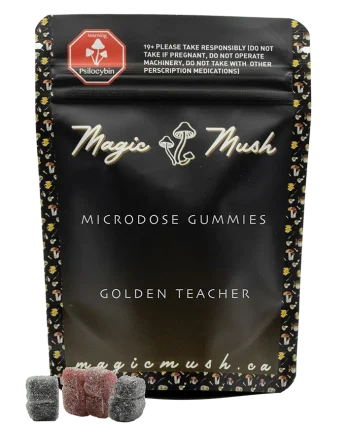
Price range: $60.00 through $240.00Golden Teacher Gummies for Microdosing
$25.00


What Happens in a Psychedelic Couples Therapy Session?
So what does this actually look like in practice? In a structured MDMA-assisted session — usually conducted in a clinical trial setting or by an underground facilitator — the couple will undergo preparation work before the medicine session. This includes setting intentions, building trust with the guide or therapist, and identifying the core emotional themes they want to explore.
During the session, both partners take a therapeutic dose of MDMA. The environment is calm, private, and often supported by music and gentle guidance. The role of the facilitator is key — they are not there to “fix” the couple, but to hold a safe, non-judgmental space as emotions surface and new layers of truth emerge. What happens might be messy: crying, holding hands, revisiting old memories, or even laughter that cracks years of resentment.
Psilocybin sessions tend to be more introspective and less interactive in real time, but can still be deeply relational. Some couples report that even when they journey “alone” within themselves, they return with a softened heart and a fresh understanding of their partner’s pain or perspective. Integration afterward — processing what came up with a therapist or guide — is essential in making sure these insights actually lead to change.
The Beauty and the Risk
The potential here is powerful. Psychedelics can help break the cycles that so many couples feel trapped in — looping arguments, unspoken pain, the slow erosion of intimacy. They create a pause. A reset. They allow people to speak from the heart, not from habit. And for couples who have grown distant, that moment of recognition — of truly seeing each other again — can be nothing short of profound.
But like any powerful tool, there are risks. The most obvious is the potential for raw revelations that aren’t properly integrated. A session might surface past traumas or hidden truths that one partner isn’t ready to hold. Without preparation and post-trip support, a couple could leave the experience more fractured than before. That’s why having a trained therapist or guide is so important — someone who can help the couple re-ground, make meaning of the experience, and move forward with clarity and care.
There’s also the reality that not all facilitators are equal. Underground scenes can be beautiful — but they can also be unregulated, with no guarantees of professionalism or safety. Couples need to vet their guides carefully, ask hard questions, and ensure there’s a clear container of trust. Psychedelic therapy isn’t magic. It’s deep work — and like all therapy, it’s only as effective as the space it happens in.
READ: Psychedelics, Intimacy, and the Space Between Us: How Mushrooms Help Us Come Home to Ourselves
What the Experts Are Saying
Therapists working with MDMA in couples settings are beginning to share their insights. Anne Wagner, a Canadian psychologist and leading researcher in MDMA-assisted therapy, has emphasized the potential for MDMA to help couples revisit traumatic memories together in a way that builds empathy instead of blame. She notes how the medicine allows for emotional memory to be accessed without being overwhelming — creating space for healing that might otherwise take years to reach.
Dr. Julie Holland, a longtime advocate for the therapeutic use of psychedelics, has also written extensively about how substances like MDMA can support relational repair. In her book Good Chemistry, she discusses how these compounds enhance feelings of connection and reduce defensiveness — two qualities that traditional couples therapy often struggles to maintain when things get heated.
Experts agree: the medicine opens the heart, but it’s the integration — the meaning-making afterward — that determines whether the shift will stick. Couples who simply “trip together” without a plan for what comes next may feel a temporary glow, but that glow will fade without conscious follow-up.
The Psychedelic Connection: From Escapism to Emotional Medicine
What’s fascinating about this movement is how it reflects a larger cultural shift: psychedelics are no longer just seen as escape routes from reality — they’re being recognized as relational medicine. These substances, once feared for their chaos, are now being understood as powerful tools for navigating complex emotional limits— especially in intimate relationships where defenses are high and patterns are hard to break.
MDMA, in particular, creates a therapeutic environment unlike anything else. Fear softens. Empathy rises. People can finally say the thing they’ve never been able to say — not because they’re high, but because the walls come down. Psilocybin, while less predictable, can introduce a layer of spiritual or archetypal insight that helps couples shift out of blame and into shared meaning. A fight becomes a pattern. A betrayal becomes a wound with context. And in that space, compassion has room to grow.
This shift — from psychedelics as wild, risky escapes to intentional tools for healing — is redefining not just therapy, but love itself. It’s no longer just about staying together. It’s about evolving together. And for some couples, that evolution starts with a carefully held, heart-opening trip.
READ: Set Your Sights: The Role of Visuals in Psychedelic Healing

Could Psychedelics Help You Love Better? Let’s Find Out Together
If love is a journey of remembering who we are beneath the stories and scars, then maybe psychedelics don’t fix relationships — they illuminate them. They won’t erase the past, but they can soften its hold. They may not script the right words for you, but they open the space to finally speak the ones that matter.
This isn’t about replacing couples therapy — it’s about deepening it. It’s about reconnecting with the longing behind the conflict, and rediscovering the presence behind the silence. When used with care, intention, and respect, psychedelics can become a powerful path back to each other.
If you’re curious about how to explore this safely with your partner, we invite you to visit MagicMush — your trusted source for premium magic mushrooms in Ottawa. Whether you’re looking to start gently or deepen an existing practice, our curated shroom bundles and delicious shroom gummies offer accessible, high-quality options for intentional journeys.