For months, I told myself I was “processing.” I’d take mushrooms or drop acid, sit with the waves of emotion, journal for hours, and tell friends I was working on myself. But deep down, I knew the truth: I was scared. Scared to make the decisions I needed. Scared to sit with the parts of myself I’d been avoiding for years. I wasn’t using psychedelics to heal. I was using them to float. To escape.
It’s a strange place to be—caught between the desire for transformation and the instinct to run from discomfort. I remember one particular retreat, surrounded by people chasing breakthroughs, all of us eager to find magic in the mushrooms. But after several intense trips, I found myself stuck in the same patterns, making excuses, avoiding tough conversations, and somehow feeling more lost. I told myself the medicine just needed more time to work, but the truth was I was using it as a buffer—a way to postpone the real work. The psychedelic experiences felt profound in the moment, but outside of that altered space, I slipped back into old habits and fears.
This tension—between wanting healing and actually doing the work—is more common than many admit. Psychedelics are powerful tools, but they’re not a cure-all or a quick fix. They amplify what’s inside us, but they don’t carry us through the hard parts. With psilocybin and other psychedelics moving into the mainstream, this question of intention becomes even more urgent: Are you using these medicines to genuinely face yourself, or are you subtly avoiding something you don’t want to feel?
That’s why it’s crucial to understand the pros and cons of doing shrooms before diving in. While these substances can open emotional doorways, foster spiritual insight, and catalyze healing, they can also lead to avoidance, delusion, or even retraumatization when not approached responsibly. The distinction isn’t about judgment. It’s about honesty and clarity. Because when psychedelics become a form of escape rather than a path to healing, the consequences can range from spiritual burnout to emotional stagnation, or even deeper psychological struggles masked by repeated trips.
This article is an invitation to look closely at your relationship with psychedelics. To explore the subtle signs that might suggest avoidance. To learn how healing truly happens—and how to honor the medicine by doing the sometimes messy, difficult work that follows the journey.
If you’ve ever asked yourself, “Am I using psychedelics to heal, or to run?” you’re in the right place. Let’s walk through what it really means to use these powerful medicines for the right reasons—and how to tell if you might be caught in a cycle of escape. Because true healing isn’t found in the trip alone; it lives in the moments, choices, and integration that come after.
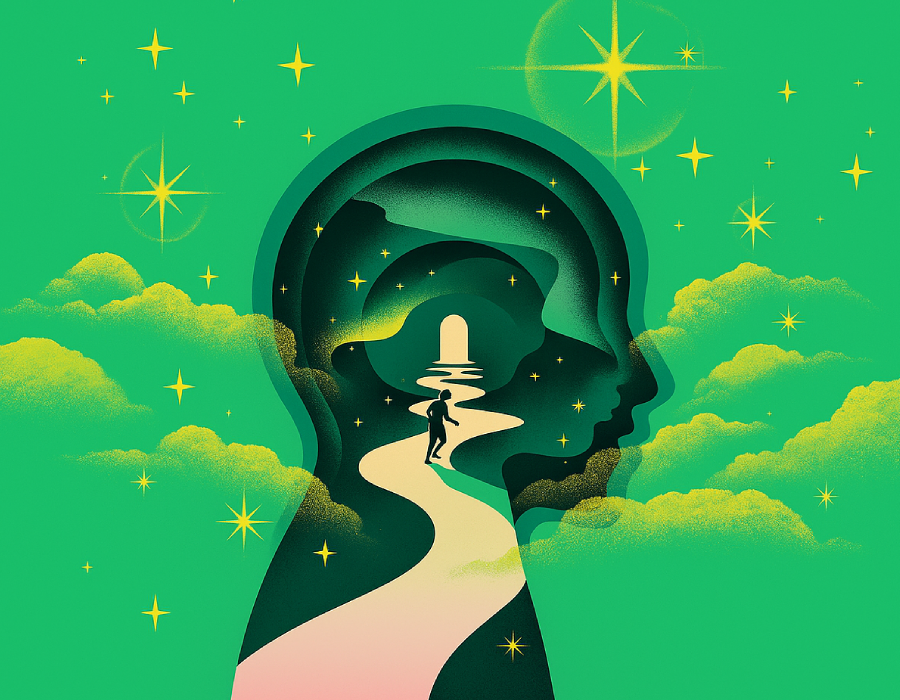
If you’ve ever wondered how to shift your thoughts in a real, grounded way, this is a great place to start
Understanding the “Right Reasons”: More Than Moralizing
When it comes to psychedelic use, talking about “right” or “wrong” reasons can feel loaded or even judgmental. But this isn’t about casting moral stones or setting rigid rules. Instead, it’s about cultivating a deep sense of self-honesty and awareness around why we’re reaching for these medicines. Psychedelics don’t work like magic potions that fix everything instantly; rather, they are amplifiers of whatever emotional, psychological, or spiritual material is already present inside us. This means the intention behind using them matters a great deal.
Imagine psychedelics as a kind of emotional spotlight. If you’re carrying unresolved trauma, fears, or denial, these substances will often shine a bright light on those shadows. That can be incredibly healing—but only if you’re willing to look and walk through the discomfort. If you’re not ready, or if your intention is to avoid pain, then the spotlight might simply reveal what you’d rather not face, causing confusion, overwhelm, or even harm. This dynamic highlights why intention is so crucial: it determines whether psychedelics are a doorway to growth or a detour around necessary healing.
This topic goes deeper than intention alone, though. It involves recognizing that healing is not something the medicine does to you—it’s something you actively participate in. Psychedelics offer experiences that can crack open your perception and provide profound insight, but the responsibility for transformation lies squarely on your shoulders. They do not replace the essential work of self-reflection, emotional processing, or making tangible changes in your life.
The psychology behind this is supported by research on coping mechanisms. Avoidance coping, for example, is when people unconsciously steer away from distressing thoughts or emotions instead of confronting them. Psychedelics can sometimes be misused as an avoidance tool—what some call “psychedelic escapism”—where repeated trips serve more as distractions than paths forward. This can even lead to a kind of dissociation, where one uses altered states to disconnect from reality rather than engage more fully with it.
John Welwood’s concept of “spiritual bypassing” is particularly relevant here. He described spiritual bypassing as using spiritual practices to sidestep unresolved emotional issues, trauma, or psychological wounds. Psychedelics, when used without grounded integration or honest self-inquiry, can unintentionally become vehicles for bypassing rather than healing. It’s like applying a beautiful spiritual gloss over deeper pain that remains unaddressed.
But none of this means psychedelics are inherently dangerous or bad. In fact, when used with clear intention, guidance, and aftercare, they can accelerate healing in ways few other tools can. The difference lies in awareness. Approaching psychedelics with humility, respect, and readiness to engage fully—including the difficult parts—makes all the difference. It’s a reminder that healing is an ongoing process, not a one-time event.
So, understanding the “right reasons” isn’t about perfection or meeting an ideal standard. It’s about staying curious, checking in honestly with yourself, and being willing to adjust your relationship with the medicine as you learn. It’s about acknowledging that psychedelics can amplify avoidance as easily as they can amplify healing, and choosing to work with that power consciously. When intention aligns with personal responsibility, psychedelic experiences become not just powerful trips but genuine catalysts for lasting transformation.
🍄 I wrote this to give you a real-world view of what shrooms can offer—and what to be mindful of.
Check out this magic mushroom!!

A.P.E Psilocybin Chocolate Bar
$60.00Dried Penis Envy Magic Mushrooms
Price range: $60.00 through $240.00Golden Teacher Gummies for Microdosing
$25.00


Signs You Might Be Using Psychedelics to Escape
How do you tell if your psychedelic use is more about avoidance than growth? Sometimes the signs are obvious, but often they hide behind well-meaning intentions and narratives. One key sign is the urge to take another journey before fully processing the last one. This pattern can indicate restlessness, impatience, or a subtle desire to stay in altered states rather than face waking life realities.
Another red flag is using psychedelic experiences primarily to seek clarity, yet hesitating to apply what you’ve learned to real-life decisions or changes. For example, you might have multiple trips that reveal personal boundaries you need to set but avoid having those hard conversations. You get stuck in a cycle of “collecting” insights without acting on them.
Relying on psychedelic experiences to feel connected or okay can also signal avoidance. Instead of building emotional resilience or finding grounding in daily practices, the medicine becomes a way to temporarily fill a void or numb underlying issues. Avoiding therapy, counseling, or honest conversations while continuing to use psychedelics regularly can further deepen this pattern.
The subtlety is that none of these signs are inherently “wrong” or unforgivable. They are indicators that invite you to pause, reflect, and consider whether your current approach is serving your long-term growth. If you recognize these patterns in yourself, it’s a chance to shift toward deeper integration rather than more escapes. This is also where understanding how microdosing can support the healing process becomes valuable—offering a gentler, more sustainable way to engage with psychedelics that fosters steady reflection, emotional clarity, and long-term transformation rather than cyclical overwhelm.
What True Healing Looks Like with Psychedelics
True healing with psychedelics is far from a mystical download or instant cure. It’s a messy, slow, and often challenging process that involves embracing discomfort rather than fleeing it. Psychedelics can open doors to shadow aspects—parts of ourselves we deny or fear—and healing means sitting with those parts compassionately and courageously.
Integration is the critical bridge between the psychedelic experience and lasting change. It’s where the insights become embodied in daily choices, relationships, and habits. Healing asks you to accept your whole self: the light and the dark, the strengths and the wounds. It invites you to make real-life shifts—whether that means setting boundaries, addressing trauma, or changing patterns that no longer serve you.
This process requires patience and self-compassion. It means allowing space for setbacks and imperfections. Healing isn’t about perfection or constant bliss; it’s about showing up for yourself consistently, even when it’s uncomfortable. Psychedelics can be profound catalysts, but they are tools—not magic wands. Their greatest gifts unfold in the months, weeks, and years following a journey, as you translate insights into action.
🍄 These microdosing capsules helped me reconnect with myself—one small step at a time.
READ: From Survival To Thriving: The Journey Of Healing From Complex Trauma
Questions to Ask Yourself Before a Psychedelic Journey
Preparation can profoundly shape your psychedelic experience and what follows. Before embarking on a trip, ask yourself some honest questions. What am I avoiding right now? Are there difficult emotions, decisions, or parts of myself I’ve been putting off? Am I ready to face whatever the medicine might reveal, including uncomfortable truths? What would true integration look like in my life? How will I support myself after the journey?
Answering these questions isn’t about being perfect or having all the answers. It’s about creating awareness and intention. Being conscious of your motivations helps prevent falling into escapism or compulsive use. It also primes you to receive the medicine with openness rather than resistance.
These questions also highlight the importance of aftercare and support. Healing doesn’t end when the trip does—it continues through journaling, therapy, movement, creative expression, or community. Planning for integration before you trip ensures you honor the medicine’s gifts fully.
🍄 When I was ready to go deeper, this was my starting point.
The Role of Microdosing: A Gentle Ally or a Subtle Trap?
Microdosing—taking sub-perceptual amounts of psychedelics—has gained popularity as a way to gently enhance mood, creativity, and emotional processing without a full psychedelic experience. When done mindfully, microdosing can help build emotional resilience and clarity over time. Many people find it supports their ability to face difficult feelings gradually, making integration between full-dose trips smoother.
However, microdosing also carries risks. Because it subtly alters perception without full immersion, it can become a form of “functional avoidance.” Some users rely on microdosing to stay “just okay” enough to avoid confronting deeper emotional wounds. This can stall healing if it replaces rather than supports emotional work.
The key with microdosing is conscious intention and self-monitoring. Use it as a tool to enhance presence and awareness, not to dull sensitivity or postpone necessary inner work. Regular check-ins with yourself and trusted guides or therapists can help keep your microdosing practice aligned with genuine healing.
🍄 I kept coming back to this when I was first figuring things out—clear, gentle, and super helpful.
Psychedelics Are Mirrors—What Will You See?
Psychedelics aren’t inherently healing. They are powerful mirrors reflecting what’s already inside you. Sometimes, what they reveal is a desire to avoid the hard work of healing, wrapped in the allure of mystical experiences or spiritual shortcuts. Recognizing when you’re using psychedelics to escape rather than to grow is itself a profound moment of clarity.
That realization can be the first step toward authentic transformation. If you find yourself caught in cycles of tripping without change, consider grounding yourself in honest reflection, integration, and real-world action. Healing is rarely linear or easy, but it is real, lasting, and worth every step.
The medicine calls for presence, courage, and responsibility. When you approach psychedelics with intention and respect for your whole self, you open the door to profound, life-affirming healing.

A powerful reminder that resilience doesn’t mean rushing—it means continuing.
Find Your True Path to Healing with Magic Mush
This article has unpacked a vital truth: psychedelics themselves are not a guaranteed path to healing. Rather, they act as mirrors reflecting what’s already inside us—sometimes the desire to grow, and other times the impulse to escape. Recognizing when you’re using psychedelics to truly face your inner work versus when you’re avoiding discomfort is a powerful step toward authentic transformation. True healing demands honesty, integration, and willingness to meet your shadows with compassion. Psychedelic experiences can illuminate these processes, but they are only as meaningful as the effort you put into living their lessons.
We explored common signs of psychedelic misuse and spiritual bypassing, highlighting how repeated trips without integration or using medicine to numb emotions can hinder growth. Healing through psychedelics requires embracing discomfort, accepting your whole self, and making tangible changes post-trip. Microdosing can support this journey when approached mindfully, but it also holds the potential to become subtle avoidance if misused. Ultimately, the medicine calls for presence, courage, and responsibility.
At Magic Mush, we understand the delicate balance between the power of psychedelic medicines and the care required to use them wisely. As the trusted source for premium magic mushrooms in Toronto, we are committed to providing safe, rigorously tested products and comprehensive education that empowers you to explore psychedelics with confidence and integrity. Our goal is to foster a community that embraces the transformative potential of these medicines while respecting the personal journey each individual takes.
With Magic Mush, you gain more than just access to quality products like microdosing bundles and dried magic mushrooms—you gain a partner dedicated to your healing journey. From detailed guides and expert support to seamless, private shopping experiences, we strive to make your exploration of magic mushrooms safe, informed, and empowering. Join us in breaking stigma, expanding awareness, and discovering the true potential of psychedelics as tools for conscious healing. With Magic Mush, you’re never alone on the path toward deeper understanding and authentic growth.