Imagine a world where a humble fungus could hold the key to unlocking profound mental health benefits. Magic mushrooms, known for their mind-altering compound psilocybin, have been making headlines as a potential treatment for anxiety and depression. While they were once dismissed as just another psychedelic drug, these fungi are now being hailed as a revolutionary tool in the mental health field. But what is it about these mushrooms that has people turning to them in search of relief? From Silicon Valley professionals seeking focus through microdosing to individuals battling the darkest depths of depression, magic mushrooms are beginning to reshape the landscape of mental health treatment.
In this article, we will explore the reasons behind the growing interest in magic mushrooms as a treatment for anxiety and depression. Through personal stories, scientific research, and therapeutic approaches, we’ll dive deep into the therapeutic potential of psilocybin. Could these fungi be the next big thing in mental health? Let’s take a closer look.

Understanding Psilocybin and Its Effects
What is Psilocybin?
Psilocybin is the active compound found in magic mushrooms, responsible for their psychoactive effects. Chemically speaking, psilocybin is a naturally occurring tryptamine alkaloid that, when ingested, is metabolized into psilocin. Psilocin binds to serotonin receptors in the brain, particularly the 5-HT2A receptor, which plays a role in mood, cognition, and perception. This binding leads to altered sensory experiences, enhanced introspection, and, in some cases, profound emotional release.
How Psilocybin Affects the Brain
Psilocybin’s effects on the brain are complex but fascinating. Research has shown that psilocybin reduces activity in the default mode network (DMN), a network of brain regions that is active when we are at rest and engaged in self-referential thoughts. Overactivity of the DMN has been associated with conditions like depression and anxiety, leading to ruminative thinking and a negative self-image. By quieting the DMN, psilocybin can create a sense of disconnection from habitual thought patterns, allowing individuals to view their problems from a fresh perspective.
Moreover, psilocybin has been shown to increase neuroplasticity, the brain’s ability to reorganize and form new connections. This heightened state of neuroplasticity may contribute to the lasting therapeutic effects observed in individuals who undergo psilocybin therapy. For many, a single psilocybin experience can lead to profound and long-lasting changes in mood and outlook, offering relief from symptoms of anxiety and depression.
Check out this magic mushroom!!

A.P.E Psilocybin Chocolate Bar
$60.00Dried Penis Envy Magic Mushrooms
Price range: $60.00 through $240.00Golden Teacher Gummies for Microdosing
$25.00


Microdosing vs. Macrodosing: What’s the Deal?
When it comes to psilocybin therapy, dosage matters. Microdosing involves taking sub-perceptual doses of psilocybin—typically around 0.1 to 0.3 grams of dried mushrooms—on a regular schedule, such as every few days. The goal of microdosing is not to induce a full-blown psychedelic experience, but rather to achieve subtle improvements in mood, focus, and creativity. Many individuals report feeling more present, less anxious, and more emotionally resilient when microdosing.
Macrodosing, on the other hand, involves taking a much larger dose of psilocybin, typically 3 to 5 grams or more. This dosage can lead to a full psychedelic experience, characterized by intense visual and auditory hallucinations, deep introspection, and, in some cases, spiritual or mystical experiences. Macrodosing is often used in therapeutic settings to facilitate emotional breakthroughs and address deep-seated trauma.
Both microdosing and macrodosing have their merits, and the choice between them depends on the individual’s goals and circumstances. For those dealing with severe anxiety or depression, a macrodose in a controlled therapeutic setting may offer the most profound benefits. However, for those seeking more subtle and gradual improvements, microdosing can be a valuable tool in managing symptoms.

Personal Stories: Journeys with Magic Mushrooms
Real People, Real Stories
The therapeutic potential of magic mushrooms isn’t just theoretical—real people are experiencing life-changing transformations through psilocybin therapy. One such individual is Sarah, a 32-year-old artist who struggled with debilitating depression for years. After conventional treatments like antidepressants and talk therapy failed to bring lasting relief, she turned to psilocybin. Her first experience, under the guidance of a trained therapist, allowed her to confront deep-seated emotional pain and trauma that had been contributing to her depression. “It was like peeling back layers of an onion,” she said. “I was finally able to face things that I had been avoiding for years.”
For others, the effects of psilocybin are more subtle but no less impactful. David, a tech entrepreneur, began microdosing psilocybin to manage his anxiety and improve his productivity. “It didn’t just help with my work,” he explained. “I started feeling more connected to the people around me and less caught up in my own head. It was like a fog lifted.”
The Power of Personal Transformation
These personal stories illustrate the profound impact that psilocybin can have on mental health. For many, psilocybin offers not just temporary relief but a lasting shift in perspective. The insights gained during a psilocybin experience can lead to a deeper understanding of oneself and one’s emotions, which in turn fosters healing and personal growth.
However, it’s important to note that psilocybin therapy isn’t a one-size-fits-all solution. While many people report positive outcomes, others may not experience the same level of transformation, or they may need multiple sessions to achieve lasting results. The key to successful psilocybin therapy lies in the combination of the right dosage, the right setting, and the guidance of a skilled therapist.

The Science Behind the Experience
What Does the Research Say?
Scientific research on psilocybin has been gaining momentum in recent years, with promising results. Clinical trials have shown that psilocybin can produce significant reductions in symptoms of anxiety and depression, particularly in individuals with treatment-resistant conditions. In one groundbreaking study conducted by Johns Hopkins University, participants with major depressive disorder experienced a 71% reduction in symptoms just four weeks after a single psilocybin session. Other studies have found similar results in individuals with anxiety related to terminal illness, with many reporting a renewed sense of peace and acceptance.
The therapeutic effects of psilocybin are thought to stem from its ability to promote emotional processing and disrupt negative thought patterns. During a psilocybin experience, individuals often report a sense of heightened emotional awareness and a deep connection to their inner world. This emotional openness allows them to confront and process difficult emotions in a way that is often not possible in a normal state of consciousness.
Set and Setting: The Crucial Role of Environment
One of the most important factors in determining the outcome of a psilocybin experience is the concept of “set and setting.” Set refers to the individual’s mindset going into the experience—this includes their emotional state, expectations, and intentions. Setting, on the other hand, refers to the physical and social environment in which the experience takes place. A supportive, comfortable setting with trusted individuals can greatly enhance the therapeutic potential of psilocybin, while a negative or chaotic environment can lead to challenging or even traumatic experiences.
For this reason, many therapists who facilitate psilocybin sessions place a strong emphasis on creating a safe and supportive environment. This may involve preparing the individual for the experience, guiding them through the session, and helping them integrate the insights gained afterward.

The Risks and Challenges of Psilocybin Therapy
While the potential benefits of psilocybin are exciting, it’s important to acknowledge the risks and challenges that come with its use. Psilocybin can be unpredictable, and not everyone responds to it in the same way. For some, the experience may be overwhelming or even frightening, leading to what is commonly referred to as a “bad trip.” This can involve intense feelings of anxiety, paranoia, or confusion, and in rare cases, it may exacerbate underlying mental health conditions.
To minimize these risks, it’s crucial to approach psilocybin therapy with caution and to seek out experienced guides or therapists who can provide support throughout the process. Additionally, individuals with a history of psychosis or other serious mental health conditions should avoid psilocybin, as it may trigger or worsen symptoms.
Therapeutic Approaches and Considerations
The Importance of a Guide or Therapist
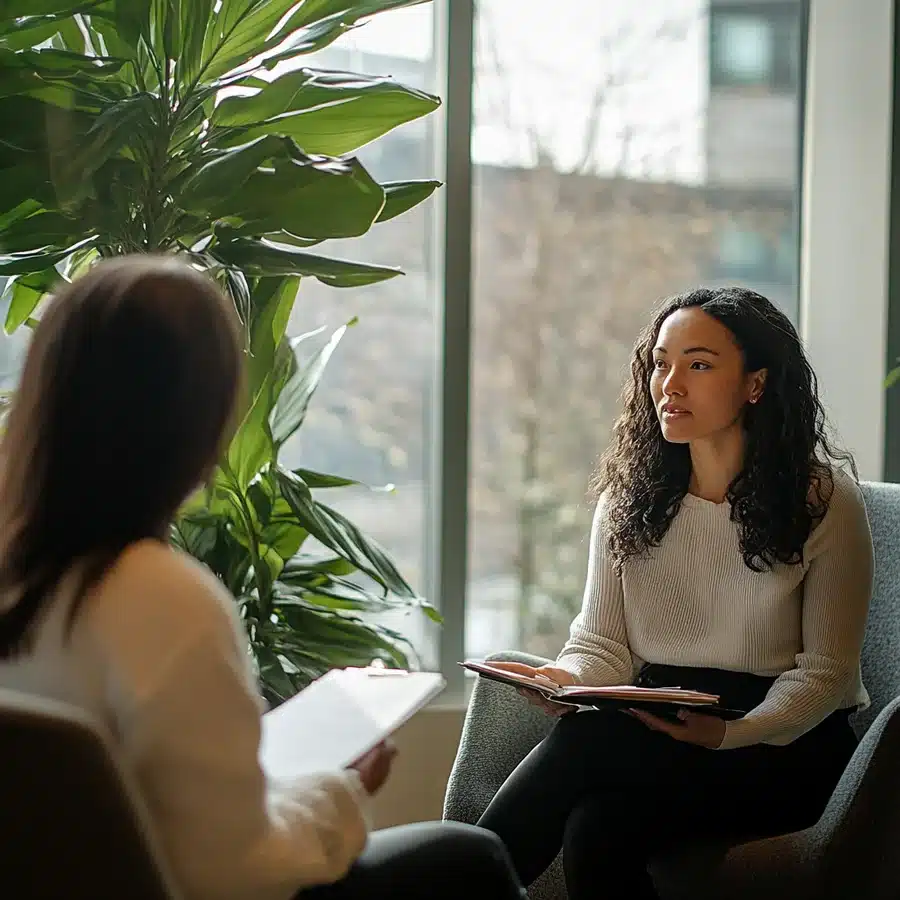
Psilocybin therapy is not something to be undertaken lightly. Having a trained guide or therapist present can make a significant difference in the outcome of the experience. A skilled therapist can help the individual navigate the sometimes overwhelming emotions that arise during a psilocybin session, offering reassurance and guidance when needed. They can also assist in the integration process afterward, helping the individual make sense of the insights gained and apply them to their everyday life.
In a therapeutic context, psilocybin is often used in combination with talk therapy, allowing individuals to process their experiences in a safe and supportive environment. This approach has been shown to enhance the therapeutic effects of psilocybin, leading to more lasting and meaningful changes.
Comparing Psilocybin Therapy to Traditional Treatments
When comparing psilocybin therapy to traditional treatments for anxiety and depression, such as selective serotonin reuptake inhibitors (SSRIs), there are some key differences to consider. SSRIs work by increasing the availability of serotonin in the brain, which can help alleviate symptoms of depression and anxiety over time. However, these medications often need to be taken daily and may come with side effects such as weight gain, sexual dysfunction, and emotional blunting.
Psilocybin, on the other hand, offers a different approach. Rather than merely alleviating symptoms, psilocybin therapy aims to address the root causes of anxiety and depression by facilitating emotional processing and personal transformation. While SSRIs may take weeks or even months to produce noticeable effects, psilocybin can lead to rapid and profound improvements after just one or two sessions.
That being said, psilocybin is not a cure-all, and it may not be suitable for everyone. For some, traditional treatments may still be the best option, particularly if they are not comfortable with the idea of a psychedelic experience.
Safety Considerations for Psilocybin Therapy
Safety should always be a top priority when considering psilocybin therapy. Individuals with certain medical conditions, such as heart disease or high blood pressure, may be at increased risk of adverse effects from psilocybin. It’s also important to avoid mixing psilocybin with other substances, particularly alcohol or prescription medications, as this can increase the likelihood of negative interactions.
Additionally, anyone considering psilocybin therapy should be aware of the legal status of psilocybin in their area. While some cities and states have decriminalized or legalized psilocybin for therapeutic use, it remains illegal in many places. Engaging in psilocybin therapy in areas where it is not legally sanctioned can carry legal risks.
Long-term Implications and Future Research
The Long-term Benefits of Psilocybin
One of the most exciting aspects of psilocybin therapy is its potential for long-term benefits. Unlike many traditional treatments, which need to be taken indefinitely to maintain their effects, psilocybin has been shown to produce lasting improvements after just a few sessions. In some cases, individuals report that the positive effects of psilocybin persist for months or even years after their initial experience.
These long-term benefits are thought to be related to the profound insights and emotional breakthroughs that occur during a psilocybin session. By helping individuals process and release deep-seated emotional pain, psilocybin can create a lasting shift in perspective that continues to benefit them long after the experience is over.
The Future of Psilocybin in Mental Health Treatment
The future of psilocybin in mental health treatment looks bright. As more research is conducted and more clinical trials are completed, it’s likely that psilocybin will become an increasingly accepted and mainstream treatment for anxiety, depression, and other mental health conditions. Already, several major research institutions, including Johns Hopkins and NYU, are conducting groundbreaking studies on the therapeutic potential of psilocybin, and the results have been overwhelmingly positive.
In addition to its potential for treating mental health conditions, psilocybin may also have applications in other areas of medicine, such as palliative care, addiction treatment, and trauma recovery. As our understanding of psilocybin continues to grow, so too will its potential to transform lives.

Conclusion
Magic mushrooms and their mind-altering compound, psilocybin, represent more than just a psychedelic curiosity—they have the potential to transform the way we treat anxiety and depression. Through personal experiences, scientific studies, and therapeutic methods, we’ve uncovered the significant impact that psilocybin can have on mental health. However, like any powerful tool, it’s crucial to approach psilocybin therapy with caution and thoughtful consideration.
For those battling anxiety or depression and searching for alternatives to traditional treatments, psilocybin might provide a new path to healing. Whether through Mushroom gummies, Microdose capsules, Magic mushroom chocolates, or Dried magic mushrooms, there are many ways to harness its potential. And if you’re in the area, you can find a variety of magic mushrooms in Toronto to explore these options. Could magic mushrooms be the breakthrough in mental health we’ve been hoping for? The answer seems to be a promising yes—but only time and further research will determine the full extent of this revolution.