
Postpartum depression (PPD) is often misunderstood as just a temporary emotional slump or a phase that new mothers go through. In reality, PPD can be a debilitating and long-lasting mental health condition that affects a significant number of new mothers around the world. The societal expectations for new mothers to be overjoyed and effortlessly nurturing can exacerbate the emotional turmoil, leading to feelings of guilt, inadequacy, and isolation. These emotional struggles are further compounded by the physical exhaustion and hormonal changes that accompany the postpartum period, creating a perfect storm for depression to take hold.
PPD is not just about feeling sad; it can manifest in various ways, including severe anxiety, irritability, difficulty bonding with the baby, and even intrusive thoughts about self-harm or harming the child. The weight of these emotions can feel unbearable, particularly when new mothers are expected to keep up appearances and “push through” for the sake of their families. This internal conflict often leads to silence, as many women feel ashamed to admit that they are struggling during what is supposed to be a joyful time.
Traditional treatments for postpartum depression typically involve antidepressants, counseling, and sometimes hormone therapy. While these treatments can be effective, they do not work for everyone. Antidepressants, for instance, can take weeks to start working and often come with side effects that may make them less appealing, especially for breastfeeding mothers who worry about how medications could affect their infants. Counseling and therapy, while incredibly valuable, may not always provide immediate relief from the overwhelming symptoms of PPD.
This is where alternative treatments come into the conversation, and one of the most intriguing options gaining attention is microdosing psilocybin. The use of psychedelics, particularly in small, controlled doses, is being explored as a potential treatment for a range of mental health conditions, including depression. For women struggling with postpartum depression, the idea of using a natural substance to alleviate their symptoms and restore emotional balance is both promising and revolutionary.

To truly grasp the significance of alternative treatments like microdosing psilocybin, it’s important to understand the depth and complexity of postpartum depression. Unlike the “baby blues,” which typically resolve within a few weeks after childbirth, PPD is a serious and long-term mental health condition that can persist for months or even years if left untreated. The prevalence of PPD varies, but studies suggest that about 1 in 7 women experience this condition after giving birth. That statistic represents millions of women worldwide who are battling depression at a time when they are expected to be focused on caring for their newborns.
Getting to Know Postpartum Depression
The symptoms of PPD can vary widely, but common indicators include persistent sadness, fatigue, a lack of interest in activities once enjoyed, difficulty bonding with the baby, feelings of worthlessness, and changes in sleep and appetite. In severe cases, PPD can lead to thoughts of self-harm or harming the baby. These symptoms can make it incredibly difficult for new mothers to function in their daily lives, and without proper support, PPD can have lasting effects on both the mother and her child.
What makes postpartum depression particularly challenging is the societal stigma surrounding it. New mothers are often expected to be glowing with happiness, fully embracing their new role with ease. When a mother feels anything less than this idealized version of motherhood, she may hesitate to reach out for help, fearing judgment or dismissal from others. This silence can deepen the isolation and make it even harder for women to seek the support they desperately need.
The conventional treatments for PPD, such as antidepressants and therapy, are effective for many women. However, these treatments are not without their limitations. Antidepressants, for example, can take weeks or even months to show results, and during that time, a mother may continue to struggle with her symptoms. Additionally, some women experience side effects from antidepressants, such as weight gain, sexual dysfunction, or emotional numbness, which can further impact their quality of life. For breastfeeding mothers, there is also the concern of how these medications might affect their baby, which can make the decision to start medication even more complicated.
Therapy and counseling are essential components of treating PPD, but they require time and consistency to see significant progress. For a mother who is overwhelmed by the demands of a newborn, finding the time and energy to attend regular therapy sessions can feel like an insurmountable task. This is where alternative treatments, such as microdosing psilocybin, offer a potential solution by providing more immediate and accessible relief.
Check out this magic mushroom!!

A.P.E Psilocybin Chocolate Bar
$60.00Dried Penis Envy Magic Mushrooms
Price range: $60.00 through $240.00Golden Teacher Gummies for Microdosing
$25.00


The Magic of Microdosing: What’s the Buzz?
Psilocybin, the naturally occurring compound found in certain species of mushrooms, has been used for centuries in various cultures for its spiritual and healing properties. However, it is only in recent years that psilocybin has caught the attention of the scientific community for its potential therapeutic effects on mental health. Research into psychedelics, including psilocybin, has shown promising results in treating conditions such as depression, anxiety, PTSD, and addiction. What sets psilocybin apart from traditional medications is its ability to promote neuroplasticity, the brain’s capacity to reorganize itself by forming new neural connections. This process is believed to be crucial in overcoming mental health conditions like depression, where rigid thought patterns and behaviors can trap individuals in a cycle of negative emotions.
Microdosing, which involves taking very small, sub-perceptual doses of psilocybin, has emerged as a popular method for reaping the benefits of this compound without the intense, mind-altering effects of a full dose. The idea is to take just enough psilocybin to subtly influence brain chemistry and mood, without the hallucinations or “tripping” that are typically associated with psychedelics. For women dealing with postpartum depression, microdosing offers a potential way to alleviate symptoms while remaining fully functional and present in their day-to-day lives.
The mechanism by which psilocybin may help with depression is linked to its interaction with serotonin receptors in the brain. Serotonin is a neurotransmitter that plays a key role in regulating mood, and it is often referred to as the “feel-good” chemical. Many antidepressants work by increasing the availability of serotonin in the brain, but psilocybin takes a different approach by directly stimulating serotonin receptors, which may result in more profound and lasting changes in mood and emotional processing.
In addition to its effects on serotonin, psilocybin has been shown to enhance neuroplasticity, which could help the brain recover from the damaging effects of depression. Depression is often associated with rigid thinking patterns and a loss of cognitive flexibility, making it difficult for individuals to break free from negative thoughts and behaviors. By promoting neuroplasticity, psilocybin may help the brain “rewire” itself, allowing individuals to adopt new perspectives and coping strategies that can lead to lasting improvements in mental health.
While the research on psilocybin and depression is still in its early stages, the results so far have been encouraging. Clinical trials have shown that even a single dose of psilocybin can produce significant and lasting reductions in depressive symptoms, and some studies suggest that microdosing may offer similar benefits with fewer risks and side effects. However, it is important to note that microdosing is not a one-size-fits-all solution, and the effects can vary depending on the individual, the dosage, and the frequency of use.

Stories from the Frontlines: Real Experiences
One of the most compelling aspects of the microdosing movement is the personal stories of individuals who have tried it. For new mothers dealing with postpartum depression, these stories offer hope and inspiration, showing that there are alternative paths to recovery that go beyond traditional treatments. Many women who have turned to microdosing psilocybin report significant improvements in their mental health, emotional well-being, and overall quality of life.
Sarah, a mother of two, found herself struggling with postpartum depression after the birth of her second child. She tried traditional treatments, including antidepressants and therapy, but nothing seemed to work. Desperate for relief, she began researching alternative treatments and stumbled upon microdosing psilocybin. After discussing it with her therapist, she decided to give it a try. Within a few weeks of starting her microdosing regimen, Sarah noticed a significant improvement in her mood. She felt more connected to her baby, less overwhelmed by the demands of motherhood, and more hopeful about the future.
Another mother, Emily, shared a similar experience. After months of feeling numb and detached from her newborn, she began microdosing psilocybin under the guidance of a healthcare provider. She describes the experience as “a light switch being turned on,” allowing her to feel joy and love for her baby that had been missing for so long. For Emily, microdosing was not just about alleviating the symptoms of postpartum depression—it was about reclaiming her sense of self and reconnecting with the world around her.
These stories, while anecdotal, highlight the potential of microdosing psilocybin as a treatment for postpartum depression. However, it is important to approach these stories with caution. While some women report life-changing results, others may not experience the same benefits, and there are still many unknowns about the long-term effects of microdosing.
Navigating the Risks and Rewards
As with any treatment, especially one that involves psychedelics, there are risks to consider. Microdosing psilocybin is still largely unregulated and illegal in many parts of the world. This means that sourcing psilocybin mushrooms can be risky, and without proper guidance, dosing can be tricky. There is also the potential for psychological side effects, particularly for individuals with a history of mental health issues. Although the doses used in microdosing are much smaller than those used in full psychedelic experiences, the impact on mental health can still be profound and unpredictable.
For new mothers, the stakes are even higher. Taking care of a newborn is already an emotionally and physically demanding task, and adding a psychedelic substance to the mix could be overwhelming for some. This is why professional guidance is crucial. Any new mother considering microdosing psilocybin should consult with a healthcare provider or a therapist experienced in psychedelic therapies to ensure that it is a safe and appropriate option for her.
Despite these risks, many women find the potential rewards to be worth the journey. The possibility of finding relief from postpartum depression through a natural substance, without the side effects of conventional medications, is a compelling reason to explore microdosing.
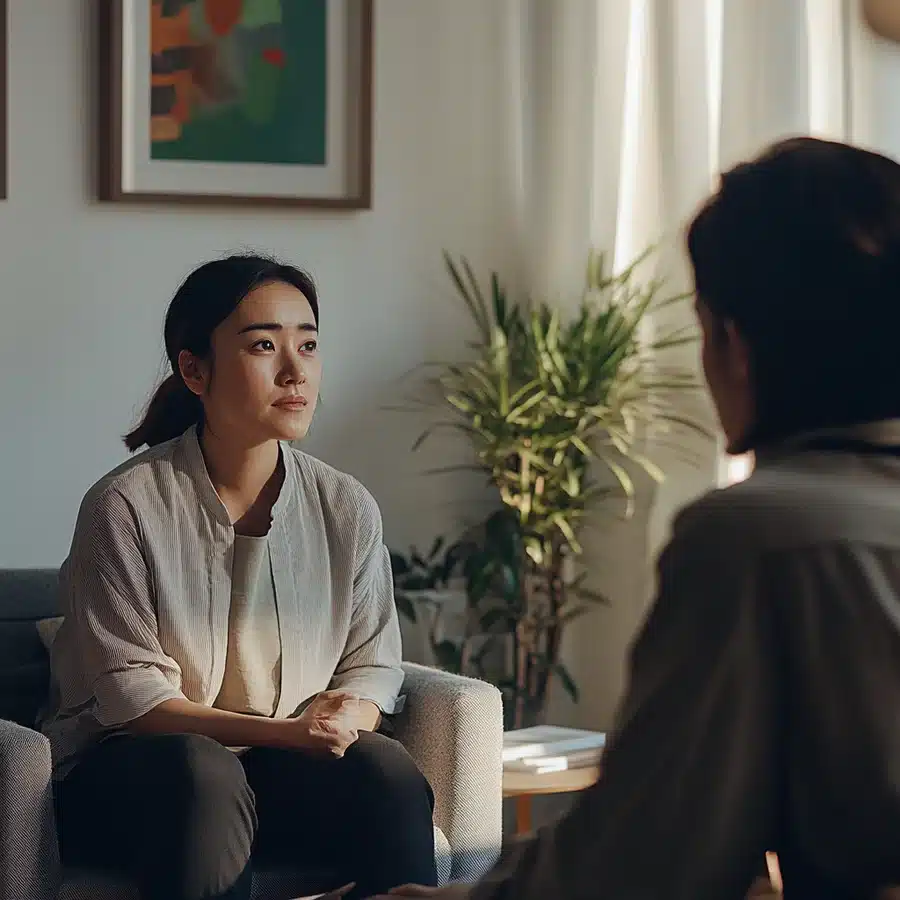
How to Get Started: Microdosing 101
For those curious about trying microdosing psilocybin, it’s important to start with a clear understanding of the process. Microdosing typically involves taking a dose of psilocybin that is about 1/10th to 1/20th of a recreational dose. This is enough to potentially experience the therapeutic benefits without the hallucinogenic effects.
The key to successful microdosing is consistency and mindfulness. Many microdosers follow a regimen where they take a dose every few days, allowing time for the effects to settle in and for their bodies to adjust. Keeping a journal to track mood changes, emotional shifts, and overall well-being can also be helpful in understanding how microdosing is affecting you.
Finding the right dosage can be a trial-and-error process. What works for one person may not work for another, so it’s essential to start with a very low dose and gradually adjust as needed. It’s also important to source psilocybin from a reliable and safe provider to ensure quality and consistency.
Wrap-Up: The Future of Mental Health Treatment
The conversation around microdosing psilocybin for postpartum depression is just beginning. As more women share their stories and researchers continue to explore the potential benefits, the future of mental health treatment could see a significant shift. Microdosing offers a promising alternative for those seeking natural remedies for depression, particularly for new mothers who may be looking for solutions beyond traditional medications.
However, it’s crucial to approach this path with caution, respect, and awareness. The potential of psilocybin to transform mental health is exciting, but it’s not without its challenges. By staying informed, seeking professional guidance, and sharing experiences, we can continue to explore the possibilities of microdosing as a tool for healing and empowerment.

Extra Goodies: Resources and Recommendations
For those interested in learning more about microdosing psilocybin, there are plenty of resources available. Books like The Psychedelic Explorer’s Guide by James Fadiman offer comprehensive insights into the world of microdosing. Online communities such as the Reddit microdosing forum provide a space for individuals to share their experiences and support one another on their journeys.
Podcasts like Psychedelics Today and The Third Wave also dive deep into the science, benefits, and risks of psychedelic use, offering expert interviews and personal stories that can guide listeners on their path to mental health and well-being.
For new mothers specifically, connecting with a therapist experienced in psychedelic-assisted therapy can be an invaluable resource. Professional guidance ensures that the journey into microdosing is safe, informed, and tailored to the unique needs of postpartum mental health.
As this field continues to grow, so too will the opportunities for new mothers to find alternative paths to healing, self-discovery, and empowerment.
In summary, whether you’re exploring Mushroom gummies, Microdose capsules, or savoring Magic mushroom chocolates, there are numerous ways to experience these extraordinary products. For those who prefer a more traditional option, Dried magic mushrooms are always a great choice. If you’re seeking local options, Magic Mushrooms in Toronto are readily available to meet your needs. Dive into the world of Magic mush and discover how it can enhance your wellness journey. Magic Mushrooms Toronto offers a variety of options to meet your needs. Dive into the world of Magic mush and discover how it can enhance your wellness journey.

- Autumn Is a Season of Metabolism - 09/28/2026
- What If Creativity Isn’t Something You Create? - 09/24/2026
- Quick Relief Or Lasting Shift? The Psychedelic Trade-Off - 03/30/2026
