
Psychedelics and Narcissism: Can Ego Death Change a Narcissist?
By Lily Pelenis / November 20, 2026 / 8 min read
The question reaches me in two forms. One is about someone else: a parent, a partner, an ex. If they just had the experience, would they finally see it? The other is quieter, and it is about the person asking. Here is my short answer on psychedelics and narcissism: no study shows that a trip reliably changes a narcissist, and the few studies that exist found small, mixed shifts that can run in both directions.
That second part surprises people. The logic sounds airtight. Narcissism is a problem of the self, psychedelics dissolve the self, so the one should fix the other. The research says the self is not that simple, and neither is the trip.
TLDR
The largest study so far followed 314 adults through ayahuasca ceremonies. Self-rated entitlement dropped a little, but a “leadership and authority” score went up, the changes were small, and people who knew them well saw no change at all. A survey of 414 psychedelic users linked awe, not ego dissolution, to lower entitled narcissism, but it could not show cause and effect.
Risk matters too. In a study of 807 people, those reporting a personality disorder diagnosis were far more likely to come out of a psychedelic experience worse off. Clinicians are only now testing supported therapy for narcissism, in a 12-person pilot. You also cannot dose someone into treating you better.
Quick facts
- 314 adults
- small, mixed shifts after ayahuasca
- Awe, not ego
- linked to lower entitled narcissism
- 4 times
- higher risk with a personality disorder
- 12 people
- first therapy pilot for narcissism
Who this article is for
- You hope a trip could make someone who hurt you finally understand.
- You quietly wonder if you are the difficult one, and if mushrooms could help.
- You know someone who came back from a retreat sure they were now more awake than everyone else.
- You heard that ego death melts the ego away and want to know what the studies say.
Lily Pelenis
Author’s note
This piece began as a letter to our newsletter readers in September 2026. It was the one we hesitated over, because a version of this question arrives every few weeks and almost nobody answers it straight. I wanted to answer it with care, since it usually comes from someone who is hurting.
I am a Toronto-based lifestyle coach and certified yoga instructor, and I have worked with psilocybin for over a decade. I love psychology and people, and I care about intention and integration. That is why I want to be careful here. I am not a doctor or therapist, and narcissistic personality disorder is a real clinical condition that needs qualified care.
What does research say about psychedelics and narcissism?
Research on psychedelics and narcissism is thin, and what exists shows small, mixed changes rather than a cure. Most of it measures narcissistic traits in ordinary adults, not the clinical disorder.
The ayahuasca study: entitlement down, authority up
In a 2023 study by Weiss and colleagues, 314 adults filled in narcissism scales before an ayahuasca retreat, after it and three months later. Self-reported entitlement and exploitativeness went down. A score for leadership and authority, one of the more grandiose parts of the scale, went up.
The authors call their support “modest and qualified”. The effects were small, the measures did not fully agree, and the 110 friends and family who also rated the participants saw no significant change. In their words, meaningful changes in narcissism were not observed.
After ayahuasca, people rated their own entitlement lower and rated themselves higher as leaders. Their friends and family saw no change.
The survey: awe mattered more than ego death
A 2020 survey by van Mulukom, Patterson and van Elk asked 414 people about their most intense psychedelic experience. Those who felt more awe reported more connection and empathy, which went with less entitled, exploitative narcissism. Feelings of ego dissolution did not show the same link. It was a one-time online survey, so it cannot prove the trip caused anything.
| Study | Who | What it found |
|---|---|---|
| Nour et al., 2016 | 691 people, 1,828 drug experiences | Ego inflation tracked cocaine dose; ego dissolution tracked psychedelics |
| van Mulukom et al., 2020 | 414 psychedelic users, one survey | Awe, not ego dissolution, went with lower entitled narcissism |
| Weiss et al., 2023 | 314 adults at ayahuasca ceremonies | Small self-rated shifts both ways; no change seen by others |
| Marrocu et al., 2024 | 807 people before and after use | 16% got worse; 31% of those with a personality disorder did |
| Evans et al., 2023 | 608 people with lasting difficulties | 27% reported social difficulties afterwards |
Grandiose or vulnerable: which narcissism are we talking about?
Psychologists describe two different kinds of narcissism, and they matter here because they meet a trip in opposite ways. The word gets used for both, which is part of why the question goes wrong.
Two profiles that barely overlap
Grandiose narcissism is the one everybody pictures: confident, dominant, entitled. Vulnerable narcissism looks different: touchy about criticism, prone to shame and anxious underneath. A 2011 study by Miller and colleagues of 858 people found the two share an antagonistic way of treating others but differ on traits like neuroticism. Their wider profiles were unrelated.
Why the vulnerable kind meets a trip badly
A trip turns your attention inward, and that can be hard on a self that is prone to shame. Pouya Movahed Rad, a psychiatry researcher, wrote in The Conversation in 2024 that people with narcissistic personality disorder may struggle with how self-reflective psychedelics are. They often have a hard time handling criticism.
My own rule of thumb comes from the same place. The person who is grandiose rarely books the session, because nothing needs fixing. The person who is suffering and already looking is the one who does.
Can a trip make your ego bigger instead of smaller?
Yes, a sense of being special can grow out of spiritual experiences, and clinicians warn that a drug-assisted session can strengthen old defences if nobody helps hold it. Researchers even built a scale to tell ego dissolution apart from its opposite.
The scale built for the opposite of ego death
When Nour, Evans, Nutt and Carhart-Harris validated the Ego-Dissolution Inventory in 2016, they built a second 8-item scale for ego inflation, meaning a boost in self-assurance. In their survey of 691 people, ego dissolution rose with psychedelic dose and ego inflation rose with cocaine dose. The two measures exist side by side, so the self can be scored moving either way.
Spiritual superiority and spiritual bypassing
The bigger risk is quieter. Psychotherapist John Welwood coined “spiritual bypassing” for using spiritual ideas and practices to sidestep unresolved emotional issues, as he told Tricycle in 2011. A trip that seems to let you skip shame, instead of sitting with it, can feed exactly that habit.
Social psychologists have measured a cousin of it. In three studies with over 3,700 people, Vonk and Visser (2021) found that a feeling of spiritual superiority went with communal narcissism, the urge to be seen as the most caring or enlightened. Their participants did spiritual training, not psychedelics, but the pattern is familiar to anyone who has spent time in this world.
Lily’s take
The trap I watch for is the new special identity: not cured of needing to be exceptional, just relocated. If a trip leaves you feeling more awake than everyone around you, that is the moment to slow down, not to start teaching.
Is it safe to take psychedelics if you have narcissistic traits?
It carries more risk than for most people, especially with a diagnosed personality disorder. The best data we have points to a higher chance of feeling worse a month later, and clinicians who want to test it use screening, trained therapists and months of support.
Personality disorders and worse outcomes
A 2024 analysis by Marrocu and colleagues followed 807 people around a psychedelic experience. About 16% had a clear drop in well-being four weeks later. Among people reporting a past personality disorder diagnosis, 31% did, and one model put their risk at more than four times higher. The data was self-reported and the study was observational.
When the hard part is other people
In a 2023 study of 608 people with lasting difficulties after a psychedelic, 27% described social problems and 13% a sense of disconnection from others. A small group named “difficulty with being socially normal”. For a self that already struggles with shame, that is a real cost. If a trip has left you low, my piece on feeling down after a mushroom trip may help.
What clinicians are testing now
Most psychedelic trials have excluded people with these conditions, as Albert and Back noted in 2025. Their own design pairs MDMA with psychoanalytic therapy, requires six months of prior therapy and warns that the drug might amplify existing defences if not properly contained. The University of Washington pilot enrolled 12 people. It uses MDMA, not psilocybin, and has not reported results.
Every result people quote about lasting change comes from screening, preparation, a trained person in the room and weeks of support afterwards.
Can you give someone a trip to change how they treat you?
No. A substance cannot deliver the apology you are owed, and arranging an experience for someone in the hope that it will change them tends to leave you more hurt, not less. Giving anyone a psychedelic without their full, informed consent is never okay.
If you are asking about someone else
Wanting the person who hurt you to finally understand is one of the most human wishes there is. That wish deserves a real conversation with someone qualified, and that conversation is about you, not about them. If things feel heavy right now, in Canada you can call or text 9-8-8 at any hour.
If you are asking about yourself
Here is the part I most want you to keep. If you are sitting with the idea that you might be the difficult one, without rushing to defend yourself, you are already doing the thing narcissism makes hard. No dose required. Long-term therapy is slow and unglamorous, and it is built for exactly this kind of work.
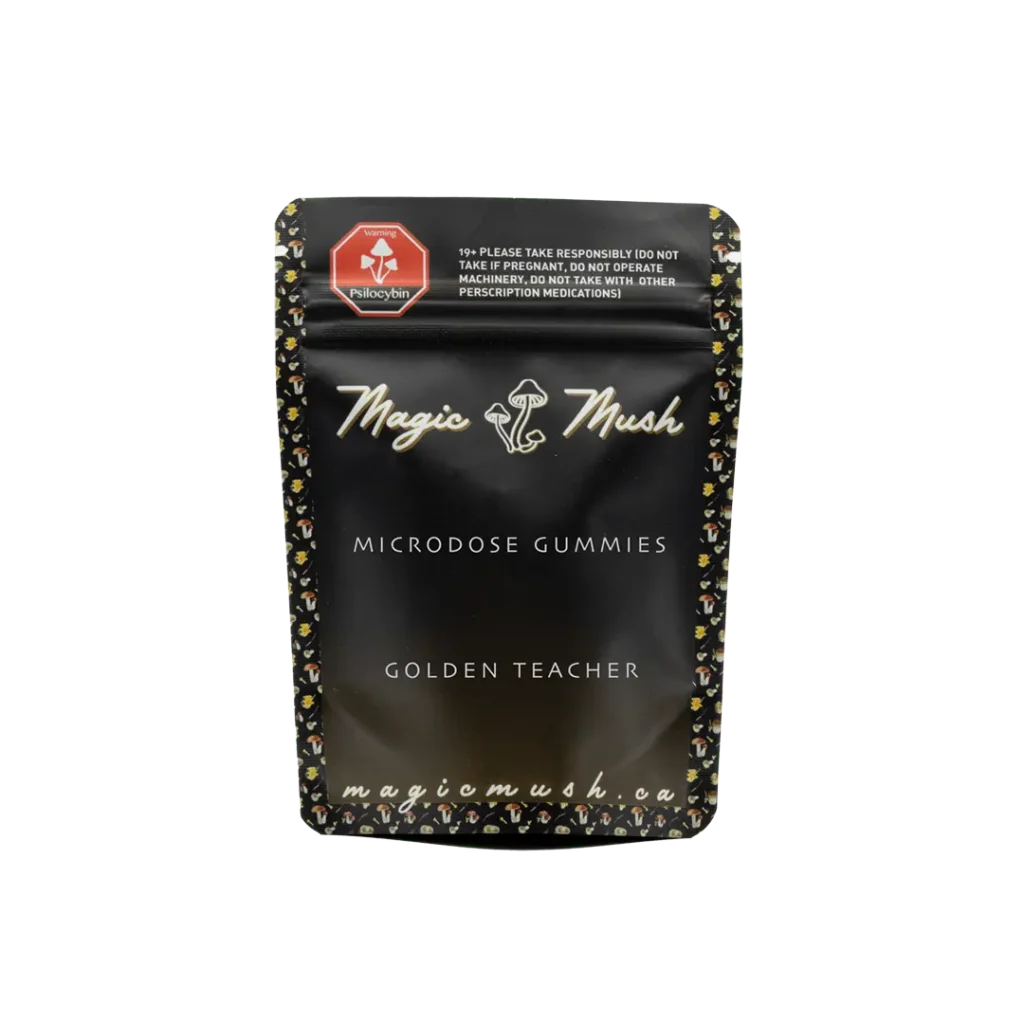
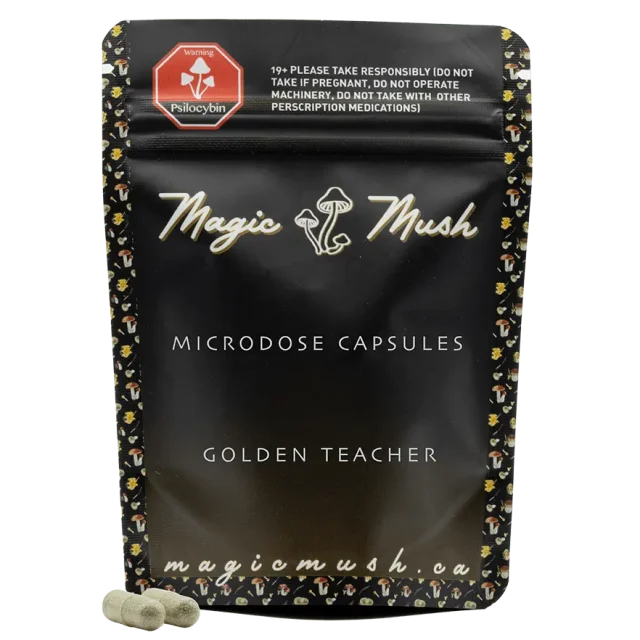
If you still choose to trip, keep it small and supported. Our dosing guide starts at a 0.1 to 0.25 g microdose and lays out every level in grams. I like Dried Golden Teacher Magic Mushrooms for learning your own dose, since they sit mid-range on our potency scale. For something gentler, the Golden Teacher Microdosing Capsule holds 125 mg in each capsule.
Try this
- Name the real questionWrite down whether you are asking about someone else or about yourself.
- Talk to a professional firstBring that question to a therapist before you bring it to a trip.
- Check your healthHealth Canada warns of higher risk for people with psychiatric conditions or heart disease.
- Go small, with a sitterIf you go ahead, pick a low dose and a sober person you trust.
- Wait before you decideGive any big insight about yourself a month before you act on it.
That health warning comes straight from Health Canada, which also notes that producing, selling and possessing magic mushrooms is illegal in Canada unless authorized. The same advice applies from Hamilton to the coast. For more on why dissolving yourself is not the point, read ego death isn’t the goal, and for how self-labels like “I am the difficult one” form, see my piece on why things look different on shrooms.
FAQ
Can psychedelics affect narcissists?
They can shift self-rated traits a little, in both directions. After ayahuasca, 314 adults reported slightly less entitlement and slightly more leadership and authority, and people close to them saw no change. No study has shown a trip treating narcissistic personality disorder.
Can psychedelics change your personality?
The evidence is weak. A 2011 Johns Hopkins study found openness stayed higher over a year only in people who had a mystical experience, but a 2024 review of 10 studies found no significant lasting effects for most measures. My piece on whether psilocybin can change your personality goes deeper.
Can drugs trigger narcissism?
Some drugs inflate your sense of self while you are on them. In a 2016 survey of 691 people, feelings of ego inflation rose with cocaine dose, while psychedelics tracked ego dissolution instead. That is a short-lived state, not a personality disorder.
Find your strain, then your dose
Every product on the shelf shows its potency rating and the effects people report. The dosing guide walks through amounts before you order, and a real person answers if you write to us.
About the author
Lily Pelenis
I'm a Toronto-based lifestyle coach, psilocybin enthusiast and certified yoga instructor. I guide people toward mindful, balanced living, and my coaching blends modern wellness practices with ancient wisdom to help clients find deeper self-awareness, resilience and joy.
I've been experimenting with shrooms for over a decade, and I write about my own experience. I love nature, psychology and humans. That is why my articles tend to follow a trip past its peak and into the weeks after it.
Some pieces start with a strain I have tried myself, such as Golden Teacher or Albino Roller Coaster. Others are the practical ones, like how much to take the first time or how to brew a tea that sits easier on the stomach. Over the years I've learned that intention is everything, so I write about why you are taking it before I get to how.
Related articles
50% off your first order
New strains, restocks, sales and new writing from the Notebook, by email. No spam, unsubscribe any time.