I still remember the exact moment when it hit me: this work wasn’t about simply teaching steps or protocols. She was standing there, frozen for a heartbeat, hand hovering inches above a client’s shoulder. Not because she was afraid of touching them, but because she was weighed down by the sheer emotional gravity of what that touch represented. It was more than contact — it was a gesture of trust, presence, and vulnerability. In that quiet pause, I realized that training psychedelic facilitators meant preparing them to hold space in a way that no textbook could capture.
The room felt charged, every breath amplified in the silence. Outside, the sun was dipping low, casting golden light across the faces of the trainees seated in a semi-circle around us. Their eyes were a mixture of curiosity, apprehension, and eagerness. In their hesitation, I saw my own early days — when I first stepped into this strange world between science and spirit, therapy and mystery.
As someone who came from a traditional therapeutic background, moving into psychedelic facilitation was like walking into a storm of the unknown. My old skills served as a compass, but the terrain was wildly different. This wasn’t about neat diagnoses or linear progress. It was about presence when words fail, about holding someone as they encounter their deepest fears and highest revelations — sometimes all at once.
Watching my trainee wrestle with that moment of hesitation reminded me how much this work lives in the tension between control and surrender. You can’t fully prepare for everything a session might bring, but you can cultivate the emotional resilience and ethical grounding to meet it. It’s about blending science with soul, protocols with intuition, and teaching not just technique but the courage to be truly present with another human being at their most unguarded.
This realization reframed my entire approach to training. It’s not just about teaching “how to” — it’s about guiding facilitators to be who they need to be in the room: steady, compassionate, and awake. And that’s a lesson that grows deeper every day, in every training, with every person who steps into this extraordinary work.
🍄 Learn how to create a safe, personalized psychedelic protocol with practical tips to explore responsibly and stay grounded throughout your journey

How I Went From Therapist to Psychedelic Trainer—and What I Learned Along the Way
My journey to becoming a psychedelic facilitator trainer began in a more conventional therapeutic space. I was a counselor for years, deeply invested in the art of talk therapy. I loved the rhythms of listening, reflecting, and witnessing healing unfold through conversation. Therapy felt like a structured, tangible craft — a place where logic and empathy blended to create change. But as I watched many clients struggle with deep trauma, addiction, and depression, I started to sense the limits of what verbal therapy alone could offer.
At the same time, the rising tide of psychedelic research and the stories I heard from peers sparked a curiosity in me. Psychedelic medicine seemed to touch parts of healing that traditional methods couldn’t reach — a non-linear, deeply emotional, and sometimes mystical experience that defied explanation. Yet, I was cautious. My therapist training had taught me to value safety, evidence, and boundaries. How could these medicines, with their unpredictable effects, fit into a responsible healing practice?
The transition was not seamless. Supporting someone through a psychedelic journey requires more than therapeutic skills; it requires an ability to hold presence in altered states, to witness without judgment, and to navigate emotional extremes with calmness. As I immersed myself in training and mentorship, I realized I needed to adapt and expand my approach. I had to relearn what it meant to “hold space” — sometimes with words, sometimes without, and always with humility.
Teaching others to do this has deepened my own understanding of healing. Every class I lead is a reminder that the role of a facilitator is as much about human connection as it is about protocol. It has been an evolving process of letting go of old certainties and embracing the complexity of altered consciousness. And that has been both challenging and profoundly rewarding.
🍄 Navigating the path to psilocybin facilitation? Here’s how to tell the difference between fleeting excitement and a true calling for this work
How I Created a Training Curriculum That Balances Safety, Ethics, and the Sacred Unknown
Designing a curriculum for psychedelic facilitation was one of the most complex challenges I’ve faced. I wanted to create something that prepared facilitators to work safely and ethically while honoring the mysterious and sometimes ineffable nature of the medicine. It couldn’t be a rigid manual because this work demands flexibility and sensitivity to the uniqueness of each journey.
To build the curriculum, I drew on a diverse set of influences. Harm reduction principles grounded the work in safety and respect for autonomy. Somatic practices emphasized the body’s role in processing experience. Indigenous ceremonial traditions reminded me of the deep cultural and spiritual context these medicines carry. I also leaned on emerging clinical research to ensure we were aligned with best practices.
The balance was delicate. How do you teach someone to be ready for crisis without turning them into technicians who miss the heart of the experience? How do you instill rigor without smothering the spontaneity that the medicine invites? These questions shaped every module, from preparation and consent to holding presence during a session, and supporting integration afterwards. I also emphasized that protocols are not scripts — they are frameworks that must be enlivened by intuition and care.
Why Protocols Are Just the Starting Point—And Why The Human Element Always Comes First
When I first began training to become a psychedelic facilitator, I clung tightly to the protocols. There’s a certain comfort in checklists, scripts, and clearly defined steps. They make the unknown feel manageable. In an industry still finding its footing, protocols give us a shared language and a baseline of safety. But what I quickly realized, and what I try to impress on every trainee, is that these protocols are just the beginning. They’re scaffolding, not the building itself.
One vivid moment stands out in my memory that crystallized this truth. A trainee was leading a session simulation and followed every step with precision—intake, setting intention, grounding exercises, crisis management techniques. Yet, when a role-play client suddenly broke down in tears, the trainee froze. The script didn’t tell her exactly what to do next. It didn’t say, “When the tears come, just be.” The room held its breath. What was needed wasn’t a quick fix or a checklist box to tick. It was a presence — a kind of unspoken permission for raw emotion to exist without interruption or judgment.
This is where the human element shows up, loud and clear. Psychedelic facilitation isn’t about controlling or directing a journey like an engineer tweaking a system. It’s about holding space for the messy, unpredictable, and sometimes uncomfortable unfolding of someone’s inner world. That space is sacred, fragile, and dynamic — and no protocol can fully contain it.
In training facilitators, I emphasize the importance of cultivating emotional intelligence alongside technical skills. Knowing how to read a room, sense shifts in energy, and respond intuitively is just as critical as knowing the stages of a session or safety protocols. This kind of presence requires humility, self-awareness, and the ability to sit with uncertainty. It means letting go of the urge to fix or solve and instead offering steady companionship through whatever arises.
Protocols can guide you in recognizing signs of distress or help you manage a crisis, but the difference between a competent facilitator and a transformative one is the willingness to stay present in the uncharted territory beyond the script. That willingness often means sitting with silence when words fail, resisting the temptation to intervene prematurely, and trusting that the medicine and the person’s inner wisdom know the way.
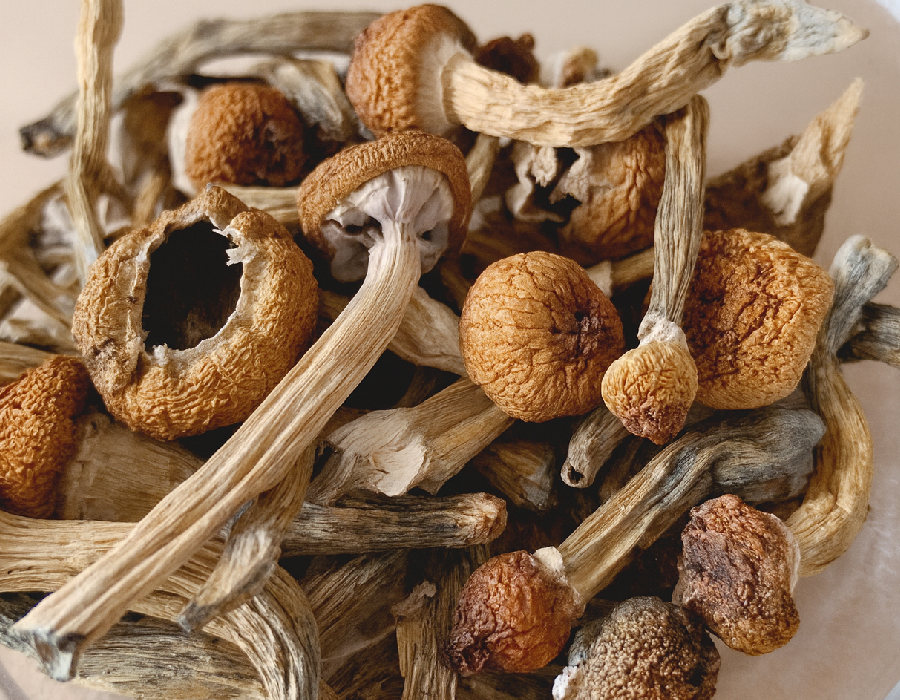
Check out this magic mushroom!!

A.P.E Psilocybin Chocolate Bar
$60.00Dried Penis Envy Magic Mushrooms
Price range: $60.00 through $240.00Golden Teacher Gummies for Microdosing
$25.00


I’ve seen time and again how facilitators who lean too heavily on protocols risk missing the deeper currents in a session. They might rush to “correct” or “calm” a client without fully honoring what’s emerging beneath the surface. And in psychedelic work, those deeper currents — the tears, the laughter, the sudden insights, the moments of terror — are the medicine’s language. They’re the places where real healing can happen if held with care.
Teaching this balance is challenging because it can’t be reduced to formulas. It’s about developing a felt sense, a kind of embodied wisdom that grows from experience, reflection, and mentorship. I encourage trainees to cultivate practices that enhance their emotional resilience — mindfulness, somatic awareness, and self-inquiry — so they can bring their fullest selves into the space.
The human element also means understanding the ethical weight of facilitation. We’re not just guiding experiences; we’re stewarding trust. Each person who steps into a session is entrusting us with their vulnerability, their pain, their hopes. That calls for deep respect, a commitment to ongoing learning, and the courage to say “I don’t know” when situations fall outside our expertise.
In this way, protocols serve as necessary guardrails but not as a cage. They are the safety nets that allow facilitators to move confidently into the unknown, knowing there are structures to fall back on. But the heart of facilitation — the true medicine — happens when we bring our full humanity to the moment, embracing complexity and uncertainty with grace.
This is why I often tell trainees: mastery isn’t about memorizing every protocol perfectly; it’s about learning to be fully present with another human being — in all their fear, joy, confusion, and light. That presence, more than anything, is what creates the container for transformation.
How Training Others Has Deepened My Own Understanding of What It Means To Hold Space
Training psychedelic facilitators is never a one-way street. Every cohort brings new questions, challenges, and insights that shape my own practice. Watching students wrestle with their doubts, confront their limitations, and grow into their roles reminds me why this work matters so deeply.
I’ve experienced moments of pride when trainees surpass expectations and moments of humility when I realize how much more there is to learn. The relationships that form in training — grounded in vulnerability, trust, and shared commitment — create a community of healers who support each other’s growth.
These connections have taught me that facilitation is an ongoing journey, one that requires openness, curiosity, and continual reflection. As trainers and trainees alike, we are all learning how to hold space with more presence, empathy, and integrity.
🍄 Explore how psychedelics, especially mushrooms, deepen intimacy and help us reconnect with ourselves and the space between us

What I Hope for the Future of Psychedelic Training—Keeping It Human in a Growing Industry
As psychedelic therapy moves from the margins toward mainstream acceptance and regulation, I feel a responsibility to keep the human heart of this work intact. There’s a risk that growing formalization could reduce facilitation to a technical task, stripping away the relational depth that makes healing possible.
My hope is that training programs continue to emphasize emotional intelligence, ethical responsibility, and relational presence alongside clinical knowledge. I want facilitators to be seen not just as technicians, but as compassionate companions who walk with people through some of their most vulnerable moments.
I picture a future where training spaces nurture curiosity, humility, and respect for the unknown — where facilitators feel empowered to hold the mystery of the medicine without rushing to control it. Because it is in that sacred tension between structure and surrender that real transformation happens.
Why Microdosing Facilitation Needs Its Own Special Approach—And What Current Training Programs Are Doing Right
Microdosing facilitation might seem gentler, but it comes with its own complexities. The changes are subtle, incremental, and require careful tracking over time. Facilitators must build long-term relationships with clients, helping them maintain intentionality, monitor effects, and integrate insights without overwhelming their nervous systems.
Leading programs like MAPS, CIIS, and Fluence recognize these unique needs and are creating curricula tailored to the art and science of microdosing facilitation. They blend neuroscience, psychology, and somatic practice to prepare guides who can support sustainable healing in everyday life.
This specialized training ensures that facilitators can meet microdosers where they are — honoring the slow, steady pace of transformation while maintaining safety and ethical integrity.
🍄 Discover psilocybin retreats in Canada and how they offer healing experiences, both within legal boundaries and beyond

Be the Kind of Facilitator Who Can Truly Hold Space… Discover How Magic Mush Supports Your Journey!
If you’ve felt called to step into the powerful and delicate role of a psychedelic facilitator, you’re not alone. Training to hold space in these altered states demands more than knowledge — it requires community, support, and resources designed with care. That’s where Magic Mush comes in.
Magic Mush is your trusted partner for premium dried magic mushrooms, education, and transformative experiences in Canada. But we’re more than just a provider — we’re a community dedicated to empowering healers and seekers alike. Whether you’re deepening your understanding of psychedelic protocols, exploring microdosing, or supporting integration, Magic Mush offers the highest quality products alongside expert guidance you can rely on.
Our commitment to safety, ethics, and open-minded exploration makes us the perfect ally on your path. With rigorous testing, privacy, and exceptional customer support, we make it easy to access the tools you need to grow as a facilitator and healer. And because we know transformation is a lifelong journey, we provide resources and community connections to help you stay inspired and grounded every step of the way.
Step into the evolving world of psychedelic facilitation with confidence. Let Magic Mush be your guide to safe, informed, and compassionate work with these powerful medicines. Together, we can build a future where healing protocols meet heart, and facilitators become the healers the world needs.