When most people think of the ancient Romans, images of grand battles, philosophical debates, and extravagant feasts come to mind. The Romans were renowned for their conquests, their advanced infrastructure, and their decadent celebrations—where wine flowed freely, and lavish meals marked the pinnacle of luxury. But what if I told you that behind these well-known aspects of Roman life, there may have been something more intriguing, something far more mind-bending at play? I, too, had never imagined the Romans as anything other than warriors and scholars, until I stumbled upon evidence suggesting they indulged in something far beyond their renowned wine and extravagant indulgences: psychedelics.
The thought of ancient Romans using hallucinogenic substances was a surprising revelation for me. After all, how could a society that gave birth to such enduring empires, scientific advancements, and philosophical ideas also be participants in the world of mind-altering substances? That curiosity led me down a rabbit hole of research, and what I discovered was both fascinating and puzzling. Archaeological evidence is revealing that certain plants—known for their potent hallucinogenic properties—were not only present in the Roman Empire, but may have been used in religious ceremonies, medical practices, and even leisure activities. These findings challenge the image of the sober, calculated Roman persona and introduce us to a different side of ancient life—one where the boundaries of reality were blurred by the very substances we often associate with modern countercultures.
If you’ve ever wondered about the role of psychedelics in ancient cultures, this article will take you on a journey through Roman history, revealing how and why these substances might have been used, and what they meant to the Romans. The idea that psychedelics were woven into the fabric of Roman society may sound surprising, but there’s increasing evidence that such substances played a significant role in various aspects of their culture. From spiritual rituals to medicinal uses and possibly even for recreational purposes, the Romans might have been far more connected to the transformative power of psychedelics than we ever thought possible. So, how did the Romans trip, and why is this piece of ancient history only now coming to light? Let’s explore.
READ: Viking Berserkers and Psychedelics: Did They Trip Their Way Into Battle?

Did Ancient Romans Use Psychedelics?
While the ancient Roman Empire is well-known for its vast territories, monumental architecture, and philosophical contributions, there’s a lesser-known aspect of Roman life that may surprise you—one that involves substances that could alter the mind. For centuries, Roman culture has been primarily associated with its consumption of wine and opium, which were widely documented in historical texts and archaeological findings. These substances were staples of Roman life, used for everything from daily recreation to medical treatments. However, recent research is pointing to the possibility that psychedelics—hallucinogenic substances derived from certain plants—might have also played a significant role in Roman society.
This growing body of evidence suggests that the Romans were not only consumers of the well-documented opium poppy or wine but that they also used hallucinogenic plants in various aspects of their daily lives. There’s now compelling archaeological and textual evidence pointing to the fact that the Romans may have experimented with psychoactive substances for a wide range of purposes: religious, medicinal, and even recreational. The idea that the Romans were intentionally seeking altered states of consciousness through these substances opens up fascinating new questions about their spiritual practices, social structures, and daily habits.
The plants in question were not just exotic curiosities from faraway lands—they were accessible and well-documented in Roman medicine, rituals, and even folklore. And while the use of psychoactive substances may seem like a modern phenomenon, it appears that the ancient Romans had their own ways of connecting with altered states of consciousness, potentially experiencing mental landscapes that were radically different from their everyday lives. From secret cult rituals to medicinal treatments, let’s dive into some of the hallucinogenic plants that the Romans may have used and the ways in which they might have interacted with these substances.
READ: How To Boost Serotonin: Exploring Psilocybin, Sunlight, and Other Strategies
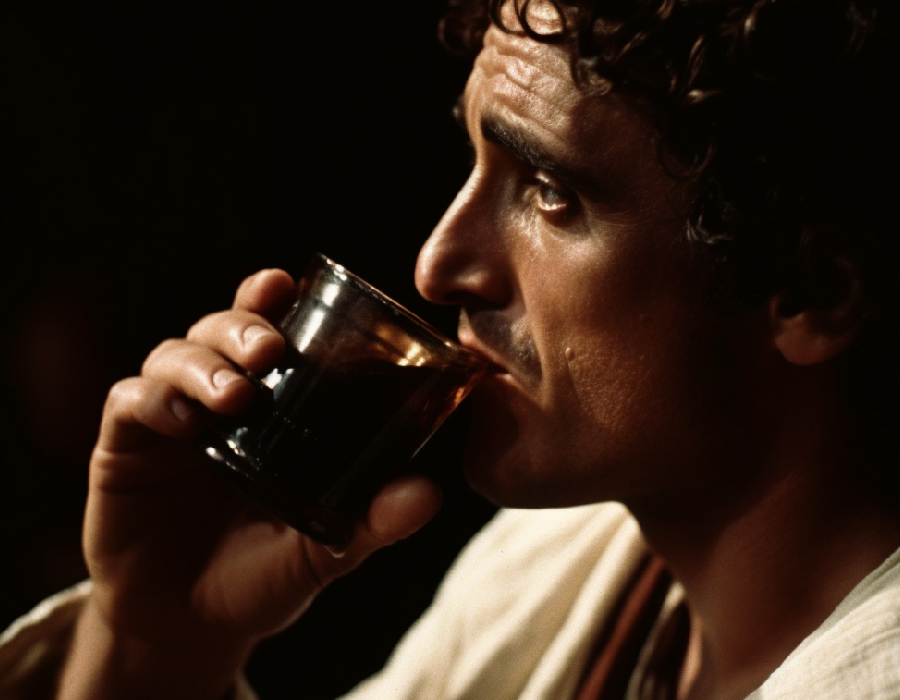
The Hallucinogenic Seeds in Question
Several psychoactive plants have been identified in archaeological excavations throughout the Roman Empire, and their effects align closely with what we would now recognize as hallucinogenic or mind-altering properties. These plants were not only known for their intoxicating effects, but they were also deeply embedded in Roman rituals, medical practices, and spiritual traditions. Below are some of the most notable hallucinogens used by the Romans:
Datura (Datura stramonium)
Often referred to as “Devil’s Trumpet,” this plant is infamous for its powerful and dangerous hallucinogenic properties. Datura contains compounds like scopolamine and atropine, which can produce intense visions, but also come with a high risk of poisoning if not used carefully. This plant may have been used in Roman religious ceremonies, possibly to induce ecstatic experiences or facilitate communication with the divine. There is evidence suggesting that the seeds of Datura were present in Roman settlements, particularly in areas where Roman religious and mystical cults were active.
Henbane (Hyoscyamus niger)
Henbane is another psychoactive plant that was well-known to the Romans. It has a long history of use as both a sedative and a hallucinogen. Its active compounds, hyoscyamine and scopolamine, can induce delirium, altered perceptions, and vivid hallucinations. In Roman medical texts, henbane was often used for its sedative properties, helping patients sleep or relax. However, it’s also likely that this plant was utilized in more mystical or spiritual contexts, possibly for divination or in ritualistic settings where altered states of consciousness were valued.
Mandrake (Mandragora officinarum)
Mandrake root has a long history in folklore and medicine, and its use among the ancient Romans was no exception. The mandrake is famous for its hallucinogenic and anesthetic properties. Roman texts mention mandrake as a remedy for various ailments, but it was also widely believed to have magical properties. The plant was associated with sorcery and was often used in rituals by those seeking visions or divine insights. Mandrake’s psychoactive effects were likely valued for inducing altered states of mind, which may have been used in Roman religious practices or even as a form of spiritual “medicine.”
Opium Poppy (Papaver somniferum)
Although not a hallucinogen in the traditional sense, the opium poppy was widely used in the Roman Empire, both for its analgesic properties and its intoxicating effects. Opium contains alkaloids such as morphine, which can relieve pain and induce euphoria. In Roman times, opium was commonly consumed as a drink or ingested in various forms. While it wasn’t used for hallucinatory purposes, opium played an important role in the Roman approach to mind-altering substances and can be considered an important precursor to their exploration of psychedelic compounds.
READ: Shrooms and Alcohol: What Happens When You Try to Mix Them?
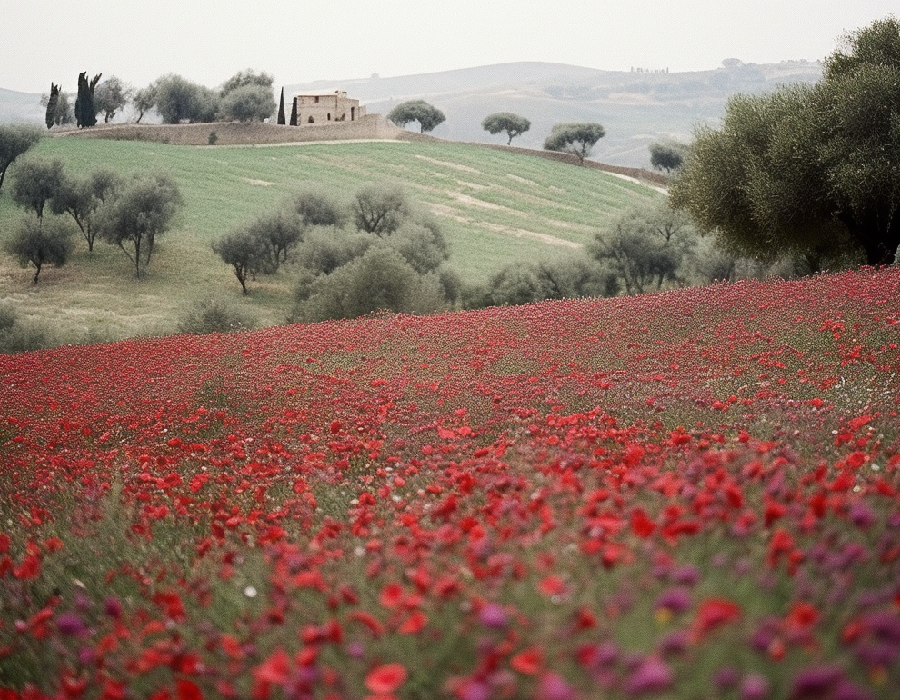
Archaeological Evidence: Where Did the Romans Use Psychedelics?
Archaeological evidence supporting the idea that the Romans used hallucinogenic plants is slowly building, with discoveries across Italy, Spain, and other parts of the Roman Empire. Excavations of Roman settlements and sites associated with religious rituals have uncovered remnants of psychoactive plants, including Datura and henbane seeds. These findings suggest that such plants were not just curiosities but integral to certain aspects of Roman life.
Roman temples and sites linked to mystical cults, like the Mithraic Mysteries, have been key areas of focus for researchers. These secretive, esoteric cults may have incorporated psychoactive substances into their rituals, using them to induce trance-like states and facilitate mystical experiences. The Mithraic Mysteries, in particular, are thought to have involved complex rituals that could include the consumption of psychoactive substances, possibly as a way of connecting with higher powers or achieving spiritual enlightenment. Some scholars also suggest that the Eleusinian Mysteries—an ancient Greek religious practice that influenced Roman spirituality—used an ergot-derived psychedelic brew, which may have had a similar effect to modern-day LSD.
Furthermore, ancient Roman medical texts contain references to various hallucinogenic plants, suggesting their use in both therapeutic and spiritual contexts. The writings of Roman physicians such as Galen and Pliny the Elder describe the medical applications of plants like henbane and mandrake, indicating that the Romans were not only aware of their mind-altering properties but actively used them in their medical practices. Additionally, folklore and stories from Roman times often mention the use of these plants in rituals performed by oracles, shamans, and mystics, further indicating their significance in Roman spiritual practices.
Check out this magic mushroom!!

A.P.E Psilocybin Chocolate Bar
$60.00Dried Penis Envy Magic Mushrooms
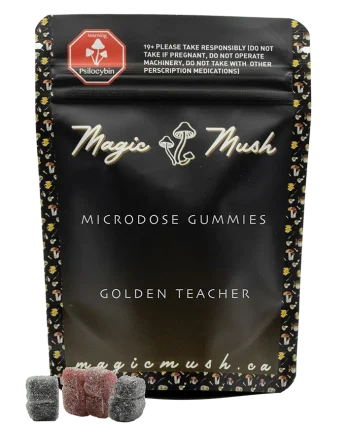
Price range: $60.00 through $240.00Golden Teacher Gummies for Microdosing
$25.00


Why Did the Romans Trip?
So, why would the Romans have used such potent and potentially dangerous plants? There are several theories about the role psychedelics played in Roman society, and the answer may lie in a combination of religious, medicinal, and recreational purposes.
Religious and Mystical Practices
Many of the substances used by the Romans—especially in cultic rituals—were likely intended to facilitate communication with the divine. For example, the Mithraic Mysteries, a secret Roman cult, may have involved the use of psychoactive substances to achieve altered states of consciousness during their ceremonies. Similarly, the use of substances like mandrake or henbane in religious rituals could have been a way for practitioners to access visions or divine knowledge, seeking guidance from the gods or from spirits.
Medicinal Purposes
Psychedelic plants like mandrake and henbane were also used for their medicinal properties. Roman physicians may have turned to these plants to treat a variety of ailments, ranging from pain and insomnia to more serious conditions requiring anesthesia or deep sedation. In fact, the use of mandrake as an anesthetic in Roman surgery has been well-documented. These plants could have been valuable tools in Roman medicine, providing relief from physical pain or helping individuals achieve the necessary state of mind for healing.
Recreational Use
While wine and opium were the most common recreational substances in Roman society, there’s a possibility that some Romans also used hallucinogens for leisure purposes. The elite of Roman society often sought out new ways to indulge in sensory experiences, and it’s not entirely far-fetched to think that certain individuals may have used psychoactive substances to achieve heightened sensory experiences or altered mental states for entertainment or relaxation.
Divination and Sorcery
The use of psychoactive plants in divination practices was also common in ancient Rome. Oracles, shamans, and mystics would use plants like mandrake or henbane to induce visions and receive prophetic messages. The idea of connecting with the divine or the supernatural through mind-altering substances was deeply embedded in Roman culture, and these practices were often viewed as essential to maintaining the connection between humans and the divine.
In conclusion, it’s becoming increasingly clear that the ancient Romans were more than just consumers of wine and opium—they were also users of hallucinogenic substances, both for their spiritual rituals and their medicinal practices. These plants played a role in the Roman worldview, helping individuals navigate altered states of consciousness, heal from physical ailments, and even access divine guidance. The evidence that the Romans used psychedelics challenges the traditional image of Roman society and offers a fascinating new perspective on their culture.
READ: Psilocybin vs. DMT – What Are the Differences?
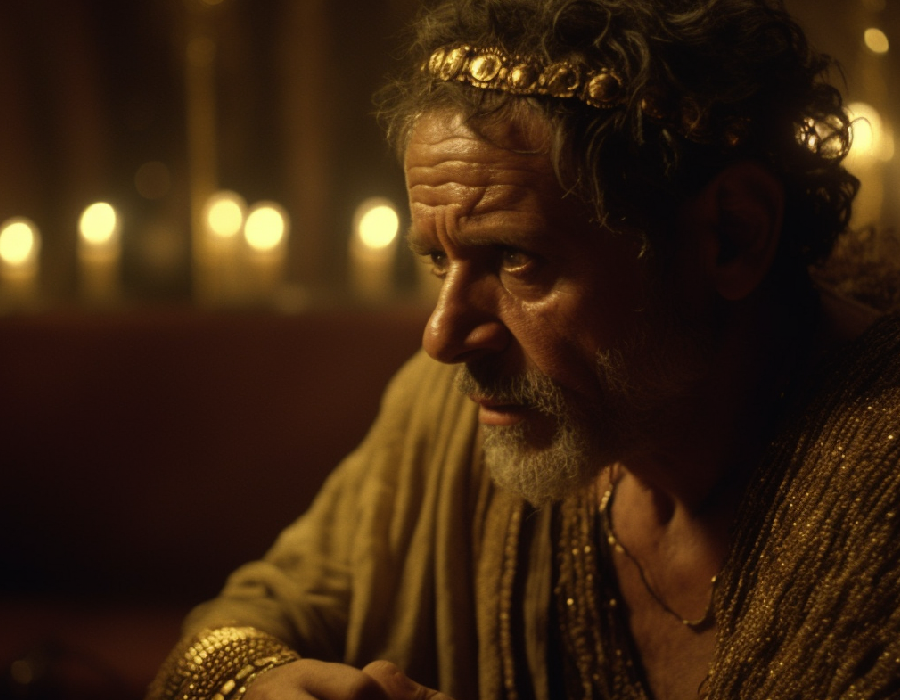
The Psychedelic Connection: How Does This Compare to Today?
The use of psychedelics in ancient Rome may seem far removed from modern psychedelic practices, but there are surprising parallels. Just as the Romans used hallucinogenic plants for spiritual, medicinal, and recreational purposes, today’s society is witnessing a resurgence in interest in the therapeutic potential of psychedelics.
Ancient vs. Modern Use: Today, many people microdose psychedelics like psilocybin and LSD for wellness, creativity, and mental health. This modern practice draws inspiration from the ancient use of psychedelics, which were seen as tools for enhancing personal insight, creativity, and even well-being. The Romans, like today’s enthusiasts, may have seen psychedelics as a means to unlock deeper layers of consciousness and understanding.
Renaissance of Psychedelic Medicine: Modern scientific research into psychedelics has shown promising results for healing conditions like depression without medication use. Could the Romans have been ahead of their time? While we don’t have direct evidence that they understood the full therapeutic potential of these substances, their use in rituals and medicine suggests that they may have been tapping into a profound knowledge of the mind and body that we are just beginning to rediscover.
READ: Ceremonial Cacao: The Sacred Elixir and Its Connection to Magic Mushrooms

Explore the Fascinating World of Psychedelics with Magic Mush
As we’ve seen throughout this article, the use of psychedelics in ancient Roman society was not just a mystical curiosity but a complex practice woven into the fabric of religious, medicinal, and recreational life. The Romans may have used hallucinogenic plants like Datura, henbane, and mandrake in various contexts, ranging from spiritual rituals to healing and even recreation. These substances provided the Romans with a means of accessing altered states of consciousness, offering new insights into the way ancient civilizations may have understood the mind and body. Whether for personal enlightenment or as part of religious ceremonies, these plants helped unlock experiences that modern society is only beginning to understand and reexamine.
Modern research into psychedelics is rapidly catching up with the practices of ancient cultures, especially as the therapeutic potential of substances like psilocybin is being explored. By revisiting the psychedelic practices of the Romans, we are gaining a deeper appreciation of how these substances might have been used for both personal and collective transformation. From healing to spiritual elevation, these ancient experiences have laid the groundwork for our contemporary understanding of psychedelics and their profound impact on human consciousness.
At Magic Mush, we are dedicated to providing a safe and educational platform for those interested in exploring the transformative potential of magic mushrooms. As a trusted source for premium-quality magic mushrooms in Edmonton, we not only offer products that are rigorously tested for purity and potency but also provide in-depth resources to educate our community about safe usage and the profound benefits of psychedelics. We aim to help you unlock the full potential of magic mushrooms, whether you’re using them for personal growth, therapeutic purposes, or simply for recreational exploration.
With a mission to destigmatize the use of magic mushrooms, Magic Mush is more than just a store—it’s a community. We offer seamless online shopping experiences, ensuring that you have access to the highest quality products like dried mushrooms and chocolate mushrooms, delivered with privacy and excellent customer support. Whether you’re new to the world of psychedelics or a seasoned explorer, our knowledgeable team is here to guide you every step of the way. Join us in challenging biases, fostering a supportive community, and discovering the incredible benefits that magic mushrooms have to offer.
Explore our shop today and experience the difference that Magic Mush can make in your journey towards self-discovery and mental wellness. Join our community and be the first to hear about sales, new products, and more. Plus, get 10% off your next order when you sign up. Don’t miss out on the opportunity to unlock new possibilities with Magic Mush—your trusted partner in the Canadian magic mushroom industry.