For centuries, Buddhism has offered a structured and disciplined approach to enlightenment. It’s a path that encourages mindfulness, meditation, ethical living, and a deep, introspective journey aimed at dissolving the ego and reaching a state of pure awareness. In contrast, psychedelics like psilocybin mushrooms promise much faster results—instantaneously dissolving the ego, leading to mystical experiences, and offering a glimpse into the oneness of existence. These substances seem to cut straight through the layers of our ordinary consciousness, providing what feels like spiritual insight in a fraction of the time. But the question arises: do these two approaches align? Can psychedelics truly accelerate our spiritual progress, or do they risk interrupting the long, sometimes painful process of awakening that Buddhism emphasizes? This article explores the intersection of Buddhism and psychedelics, looking at whether these two paths of spiritual exploration can coexist harmoniously or whether they’re ultimately at odds with one another.
I’ll start with a personal reflection, as I’ve often found myself standing at the crossroads of these two worlds. My first experience with psychedelics was through psilocybin, the active compound in magic mushrooms. Before this, I had been practicing meditation for several years, trying to quiet my mind and dissolve the barriers between myself and the present moment. But there was always this sense of striving, an underlying tension in the pursuit of enlightenment. My experience with psilocybin, however, was something else entirely. It felt like I had suddenly “gotten” Buddhism in a way that I never had before. My sense of self dissolved completely—there was no me, no “I,” no separation between myself and the universe. Time felt irrelevant, suffering seemed like an illusion, and a sense of oneness with everything permeated my being. It was, in many ways, an experience of what I had been meditating for: complete dissolution of the ego, a fleeting taste of enlightenment.

But as the effects wore off and I returned to my regular life, questions started to surface. Was that experience truly a glimpse of enlightenment, or was it simply a temporary alteration of my perception? Was I truly cultivating a spiritual practice, or was I just chasing a state of mind that was inherently fleeting and ungrounded in practice? And most importantly, how did this psychedelic experience align with the traditional Buddhist teachings I had been studying? These questions were difficult to answer, and they lingered for a long time. It became clear to me that while psychedelics could offer profound insights, there was something in the gradual, disciplined path of Buddhism that might offer deeper, more lasting change. The fast track of psychedelics, it seemed, could provide powerful glimpses of truth, but the real work came from integrating those experiences into a daily practice of mindfulness and ethical living.
In this article, we will take a deeper look at the ways in which psychedelics and Buddhism intersect, focusing on whether they complement one another or if psychedelics are more likely to disrupt the Buddhist path. We’ll explore the goals of Buddhism and the experience of mystical states through psychedelics, examining whether one can be a shortcut to the other or if the two paths ultimately lead to different destinations. Along the way, we’ll also hear from Buddhist teachers and figures who have shared their views on the use of psychedelics in spiritual practice, providing insight into how modern Buddhist thought might view this controversial intersection. Through this exploration, we’ll aim to answer one of the most pressing questions of our time: can psychedelics accelerate spiritual awakening, or do they represent an illusionary shortcut that ultimately detracts from the depth of the practice?
Check out this magic mushroom!!

A.P.E Psilocybin Chocolate Bar
$60.00Dried Penis Envy Magic Mushrooms
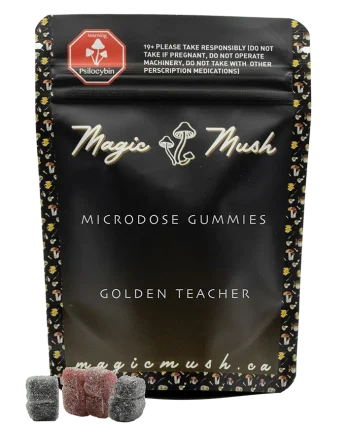
Price range: $60.00 through $240.00Golden Teacher Gummies for Microdosing
$25.00


Buddhism and Psychedelic Experiences
The Goal of Buddhism vs. Psychedelic Mysticism
At the core of Buddhist practice lies the pursuit of enlightenment—a state of wisdom, compassion, and ultimate freedom from suffering. Unlike some spiritual traditions that may promise instant transcendence, Buddhism teaches that enlightenment is attained through gradual and sustained efforts, primarily meditation, ethical conduct, and mental discipline. The path involves years of mindfulness training, self-inquiry, and the cultivation of virtues like patience, humility, and non-attachment. The essence of Buddhist practice is about living in accordance with the truth of impermanence, the absence of a permanent self, and the interdependent nature of existence.
Psychedelics, such as psilocybin and DMT, on the other hand, provide users with an intense, often immediate sense of expanded consciousness. Under their influence, time can feel like it has no meaning, the boundaries of the self dissolve, and individuals often report experiences of interconnectedness with all beings and the universe itself. The mystical insights that these substances can produce can feel deeply transformative, akin to the teachings found in Buddhist philosophy. However, the question remains: Are these experiences leading to lasting wisdom, or are they simply temporary glimpses into a state that requires years of diligent practice to fully understand?
While psychedelics may induce moments of ego dissolution and mystical clarity, Buddhism teaches that true enlightenment cannot be achieved through temporary experiences alone. The Buddhist path emphasizes gradual self-transformation through ethical living and consistent meditation, where the wisdom gained is not fleeting but integrated into one’s way of life. Thus, the key difference between Buddhism and psychedelic mysticism is that the latter tends to be temporary, often leaving individuals with only partial insights, while Buddhist teachings seek to foster lasting change and profound wisdom through sustained practice.
READ: 20 Ways to Connect with Yourself Every Day

Do Psychedelics Align with Buddhist Teachings?
In the context of Buddhist teachings, particularly within traditions like Zen and Tibetan Buddhism, the role of altered states of consciousness has been a subject of ongoing discussion. While these traditions acknowledge the potential for temporary altered states of consciousness—whether through meditation or other means—they emphasize that such states should not be the ultimate goal. According to the teachings of the Buddha, true awakening lies beyond any particular experience, no matter how profound it may seem in the moment.
The concept of Samma Sati (Right Mindfulness) in the Eightfold Path serves as a key principle in this discussion. Mindfulness, in this context, is about cultivating a constant awareness of one’s thoughts, feelings, and actions in every moment. This awareness cannot be achieved by simply ingesting a substance or by inducing a mystical experience. It is a product of sustained, daily practice, where the practitioner continually sharpens their ability to remain present and aware in each moment, regardless of external circumstances.
One of the greatest dangers when combining psychedelics with Buddhist practice is the risk of attachment. In Buddhism, attachment to any experience, even an enlightening one, is seen as a form of suffering. While psychedelics can provide temporary glimpses of enlightenment, they can also create a craving for those experiences, leading individuals to chase after mystical states. This, in turn, may contradict the Buddhist principle of non-attachment, which calls for the letting go of all desires, including the desire for spiritual experiences themselves.

What Do Buddhist Teachers Say About Psychedelics?
The views of modern Buddhist teachers on the role of psychedelics in spiritual practice are varied, though many emphasize that while psychedelics can offer valuable insights, they should not replace the disciplined practice of meditation. For instance, Buddhist teacher Jack Kornfield has spoken about psychedelics as potential tools for insight, suggesting that they can open doors to mystical experiences. However, Kornfield stresses that these experiences, while profound, do not replace the ongoing work required for true spiritual awakening.
On the other hand, figures like the Dalai Lama have expressed skepticism toward psychedelics, suggesting that while they may offer interesting experiences, they cannot provide the lasting liberation that comes from sustained inner work. The Dalai Lama has repeatedly emphasized that Buddhist teachings are about the development of wisdom, compassion, and ethical living—goals that require deep inner transformation over time, rather than a reliance on external substances to spark insight.
This view underscores the importance of context. While psychedelics can offer powerful mystical experiences, they must be integrated into a broader framework of ethical living and disciplined practice to be truly beneficial on the path to enlightenment.
Key Takeaways
Psychedelics can undoubtedly create profound mystical experiences that may seem to align with the insights described in Buddhist teachings. However, these experiences are often fleeting, and relying solely on them can lead to misunderstandings of the true nature of enlightenment. The Buddhist path teaches that enlightenment comes from a gradual process of transformation, achieved through consistent mindfulness and meditation, not through momentary experiences of ego dissolution.
Some Buddhist practitioners choose to integrate psychedelics into their spiritual journey, while others see them as distractions from the deeper, more sustainable practice of meditation. The question remains: do psychedelics reveal the ultimate truth, or do they create illusions that feel profound but ultimately fade? For each seeker, the answer may differ, depending on their own path and understanding.
READ: The Power of Morning Rituals: How Starting Your Day with Intention Can Change Your Life

Relevant Philosophers & Thinkers
Alan Watts, a well-known proponent of Eastern philosophy in the West, often discussed the intersection between psychedelics and Eastern spirituality. Watts believed that psychedelics could offer glimpses of enlightenment, suggesting that they provide a shortcut to the deeper truths of existence. However, he also cautioned that psychedelics were not a substitute for the hard work required for lasting spiritual transformation. Watts viewed them as a tool for broadening one’s understanding of the self and the universe but insisted that the true work of enlightenment is done over time, through meditation and mindfulness.
Terence McKenna, another prominent figure in the world of psychedelics, saw these substances as tools for exploring consciousness and discovering deeper layers of reality. While McKenna’s ideas aligned more with shamanic and indigenous practices than with Buddhist traditions, his thoughts on the potential for psychedelics to expand consciousness still resonate within broader spiritual discussions. McKenna was deeply interested in how psychedelics could open gateways to other dimensions of understanding, though he too acknowledged the importance of integration and the necessity of ongoing personal work.
Ram Dass, a former Harvard professor turned spiritual teacher, initially embarked on his spiritual journey through psychedelics. However, over time, he came to emphasize meditation and mindfulness as the more sustainable path to spiritual awakening. His book, “Be Here Now”, chronicles his transition from the use of psychedelics to the practice of meditation, illustrating his belief that the true path to enlightenment lies in direct, disciplined experience, not through the external stimulation of substances.
Further Reading & Resources
For those interested in further exploring the intersection of Buddhism and psychedelics, Alan Watts’ The Joyous Cosmology provides an insightful look into how psychedelics can serve as windows into Eastern spiritual insights. Ram Dass’ Be Here Now offers a personal account of his own journey from psychedelics to meditation. For more on modern Buddhist perspectives, lectures by Jack Kornfield on Buddhism and altered states of consciousness offer an invaluable resource for integrating these two paths.

Boost Your Spiritual Journey with Magic Mush
In exploring the intersection of Buddhism and psychedelics, we’ve seen that while both paths aim for self-realization and enlightenment, they do so through very different means. Buddhism emphasizes a structured, disciplined practice that focuses on gradual, sustainable growth, while psychedelics like magic mushrooms offer a more immediate, albeit fleeting, experience of ego dissolution and mystical states. The question remains whether these psychedelic experiences are shortcuts or potential disruptions on the spiritual path. Psychedelics can open doors to profound insights, but true liberation in Buddhism requires sustained inner work beyond momentary revelations.
As we’ve seen through the wisdom of thinkers like Alan Watts and Ram Dass, psychedelics can offer glimpses of what lies beyond ordinary perception, but they should never be viewed as replacements for disciplined practice. For some, psychedelics can complement their Buddhist path, providing moments of insight that inspire deeper engagement with the teachings. However, for others, they may become distractions that inhibit true progress, leading to attachment rather than liberation. Ultimately, the relationship between Buddhism and psychedelics is deeply personal, and it may take a thoughtful exploration to discern what truly aligns with your spiritual goals.
Now, if you’re considering embarking on your own psychedelic journey, why not explore the potential of magic mushrooms with the trusted experts at Magic Mush? As a leading provider of premium magic mushrooms in Vancouver, Magic Mush is here to offer not only high-quality products but also the knowledge and guidance to help you make the most of your experiences. With our focus on safe usage and education, we provide a community that supports you every step of the way. Whether you’re seeking therapeutic potential or simply curious about the transformative power of psychedelics, Magic Mush is your go-to source for a trustworthy, high-quality experience.
At Magic Mush, we’re committed to destigmatizing magic mushrooms, empowering individuals to explore their benefits in a safe, supportive environment. With rigorous product testing, top-tier standards, and an easy-to-navigate online shopping platform, we ensure your experience is smooth and private. So why wait? Step into a world of possibilities and discover the profound effects of magic mushrooms. Join our community today and take advantage of our educational resources, therapeutic insights, and exceptional customer support. Your next transformative experience is just a click away—start your journey with Magic Mush now!