
Gazing into the deep indigo swirl of mushroom tea is a mesmerizing experience. The earthy aroma fills the air as the tea steeps, and with each breath, there’s a quiet anticipation of the journey to come. Many choose mushroom tea as their preferred method of ingestion, appreciating its smooth, soothing taste compared to the intensity of dried mushrooms. It’s also known to be easier on the stomach. Beyond the flavor and physical benefits, the act of brewing the tea has evolved into a meaningful ritual, offering a moment of calm and focus before the psychedelic experience unfolds.
Why Magic Mushroom Tea? Making Shroom Tea vs Eating
Is there a noticeable difference between brewing mushroom tea and consuming whole shrooms? According to over 100 respondents in a survey I conducted on magic mushroom tea, the answer is a definitive yes: Mushroom tea is significantly easier on the stomach than eating raw magic mushrooms. From personal experience, as someone prone to nausea, I can confirm that mushroom tea greatly reduces the likelihood of nausea and vomiting for many people.
The process of making mushroom tea effectively ‘cooks’ the mushrooms, transforming them into a homemade psilocybin extract. One main reason mushrooms can cause nausea is due to the tough-to-digest chitin found in the fungi’s cell walls. However, steeping the mushrooms in hot water for 10 to 15 minutes breaks down the chitin and other components, while extracting the psilocybin, resulting in a brew that is both psychedelic and more digestible.
Like lemon tek, brewing mushroom tea can also make the psychedelic effects onset quicker and feel more intense, though typically with a shorter duration. While lemon tek enhances the experience further with the addition of citric acid, mushroom tea doesn’t intensify the trip to the same extent.
The efficiency of both mushroom tea and lemon tek can be attributed to the increased surface area when mushrooms are ground into a powder. This larger surface area allows for a quicker and more even absorption by the gastrointestinal system. Conversely, whole, dried mushrooms offer less surface area, making them slower for the stomach to break down and absorb the psychoactive compounds. Although many appreciate the stronger effects and quicker onset from mushroom tea, some find it overly intense, indicating a need for a smaller dose compared to consuming raw mushrooms in their traditional form.
Shroom Tea Benefits
Another challenge of consuming dried mushrooms directly is their distinct, earthy taste, which many find difficult to handle without discomfort. A widely preferred alternative is brewing them into tea, allowing the flavor to be masked by various ingredients.
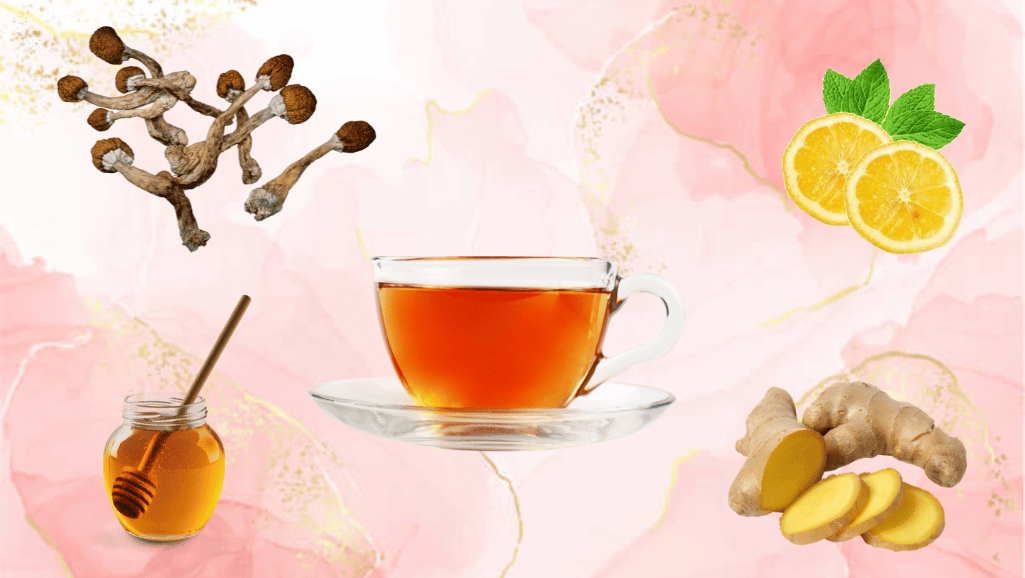
Many people enhance the taste of mushroom tea with simple ingredients like ginger and honey for better flavor and easier digestion. Others experiment further, using additions such as hibiscus or licorice root to elevate the taste. Common choices also include green or chamomile tea bags, with citrus flavors like lemon, lemon peel, or even a splash of orange juice to add a refreshing twist. A tea enthusiast in their sixties, who has made mushroom tea countless times, swears by mixing it with a fruity tea blend like “Berry Red Zinger,” noting that this combination is always well-received.
Besides aiding digestion, many enjoy the mindful process of making mushroom tea. The preparation itself has become a ritual for some, helping them mentally prepare and set intentions for their experience. One individual in their early thirties, who has brewed mushroom tea around 20 times, described the process as grounding, enhancing their focus and awareness, and helping them stay centered throughout their psychedelic journey.
Check out this magic mushroom!!

A.P.E Psilocybin Chocolate Bar
$60.00Dried Penis Envy Magic Mushrooms
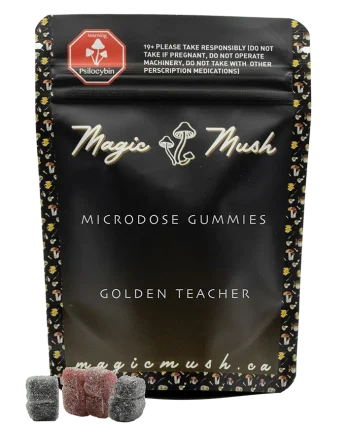
Price range: $60.00 through $240.00Golden Teacher Gummies for Microdosing
$25.00


Shroom Tea Effects: Does Mushroom Tea Change the Experience?
Besides possibly making the effects of magic mushrooms come on faster and stronger, some users report that the specific type of tea bag, herbs, or fruit mixed into their shroom tea can influence their psychedelic experience.
Drinking any kind of tea can alter your subjective experience due to the effects of the ingredients. For example, lavender can impart a calming sensation, while Catuaba bark may have an arousing effect. The practice of brewing tea can be seen as a form of herbal alchemy, where the chosen ingredients can subtly shift one’s state of feeling, which is especially perceptible under the influence of psilocybin.
Some individuals also tailor their mushroom tea blends with other ingredients aimed at enhancing digestion or elevating mood, such as tangerine, turmeric, white tea, marshmallow root, or peppermint. Adding seasonal fruits to the mix can also shape the experience. For instance, incorporating blood orange juice and peels during winter can create a deep red tea, which some find reflects the depth of the trip experienced.
The concept that psilocybin-containing mushrooms communicate in some form is taken a step further by the idea that when we combine these mushrooms with other plants in tea, we are essentially facilitating a conversation with the intelligence of these other plants.
For instance, if someone is regularly integrating a plant like ashwagandha into their daily routine, aiming to harness its effects deeply within their body and spirit, they might find it beneficial to mix it explicitly with psilocybin. This combination can be particularly profound as psilocybin enhances the ability to introspect and feel more deeply into oneself. The theory is that psilocybin might help mediate a deeper interaction with ashwagandha, allowing for a kind of dialogue that goes beyond the conventional, since ashwagandha does not communicate in a human language in the way psilocybin appears to when ingested. This perceived communication could lead to a more profound understanding and integration of the plant’s effects.
Mushroom Tea Tek: How to Make Shroom Tea
There are numerous mushroom tea recipes available online, but a simple approach often yields great results without any noticeable loss of potency. Many people who have participated in surveys on this topic report using a similar basic method, sometimes with slight variations.
Simple Shroom Tea Recipe
- Step One: Accurately weigh your dose of mushrooms. Using a scale is crucial to avoid taking too little or too much.
- Step Two: Grind the mushrooms into a powder using a cannabis or coffee grinder.
- Step Three: Add chopped ginger to the mushroom powder for additional flavor and digestive benefits.
- Step Four: Pour hot water over the mushrooms and ginger, and if you like, include a tea bag of your choice.
- Step Five: Allow the mixture to steep for 10-15 minutes.
- Step Six: Sweeten with honey to taste and enjoy your tea.
- Optional Step for Reducing Nausea: Strain out the mushroom solids with a strainer and drink only the tea.
Best Teas for Shroom Tea
Whether you blend your shrooms with tea or take them whole while sipping tea separately, certain teas can significantly enhance your trip experience.
Chamomile is excellent for mitigating potential side effects associated with shroom trips. It eases the digestive system, helping to ward off nausea and calms the mind to reduce anxiety. For a more elegant experience, consider steeping loose leaf chamomile with your ground mushrooms in an empty tea bag, possibly adding dried lavender, rose, and a touch of honey for a soothing concoction.
Tulsi, or Holy Basil, stands out as a gentle adaptogen that boosts mood and soothes the nervous system. It’s an ideal tea to consume at any stage of your psychedelic journey, offering a calming presence that can deeply enrich the experience.
Skullcap and Passionflower, often consumed together, address anxiety and disruptive thought patterns that can surface during a trip. These herbs can be an excellent preparation for a trip, a calming influence during, or a soothing follow-up as you reflect on the experience. Consider blending these herbs directly with your ground psilocybin mushrooms for integrated effects.
Ginger is essential, especially for newcomers concerned about nausea. Even without making shroom tea, brewing a strong ginger tea with honey can preempt nausea and aid digestion as the mushrooms take effect. Keeping ginger shots ready, particularly those that are nearly pure ginger, offers a quick remedy if discomfort arises.
Lavender is always a beneficial addition, combating stress and promoting relaxation, which is especially valuable if you’re apprehensive about tripping. Utilizing lavender essential oils can also enhance the setting of your trip; a few drops can be used for a calming massage or simply inhaled to help ground and relax you during more intense moments.
Diverse Mushroom Beverages
Beyond the psychedelic realm of psilocybin, various other mushrooms are staples in traditional drinks for their health benefits. In ancient wellness practices from China and Tibet, fungi such as Cordyceps are commonly used. These include specific varieties like Yarsa gumba or Keera jhar, often employed in herbal remedies to treat illnesses. Other functional mushrooms like shiitake, reishi, and maitake are frequently included in health regimes, potentially paired with ingredients such as lemon juice, coconut milk, and green tea, to enhance their therapeutic impact, especially in supporting cancer care strategies.

