Plants have been our healers for thousands of years, offering wisdom and remedies that modern science is only beginning to understand. For me, the journey into plant medicine began with a simple cup of tea—and it changed my life. It wasn’t until I was grappling with stress and sleepless nights that I decided to explore something outside of the usual pharmaceuticals. A friend recommended chamomile tea, and little did I know, that small step would lead me into a fascinating world of plant-based healing. This guide is an invitation to discover how plant medicine works, what it can offer, and how it might change your life, just like it did mine.
Plant medicine is more than just a trend—it’s an ancient practice that spans centuries, touching cultures all over the world. From herbal remedies passed down through generations to sacred ceremonies involving powerful plants like Ayahuasca and San Pedro, plant medicine has long been a way to connect to something deeper—whether it’s healing, clarity, or a sense of inner peace. My introduction to plant medicine came in a quiet moment when I found myself overwhelmed by modern life and the endless to-do lists. I turned to simple, natural remedies like herbal teas and discovered not just relief from my symptoms, but a sense of harmony. Little did I know that this would be the beginning of a deeper exploration into the healing powers that nature offers us. Plant medicine is, in many ways, a bridge between the past and present—what has worked for thousands of years is now being rediscovered by modern science.
As we venture through this beginner’s guide, we’ll cover everything from common herbs you can start using today to sacred, mind-expanding plants that have been used in indigenous ceremonies for centuries. Plant medicine feels like an ancient practice that’s being rediscovered at the perfect moment, a return to nature in a fast-paced, tech-driven world. Healing with plants isn’t just about physical relief; it also offers mental and spiritual nourishment that you may never have realized was within your reach. Whether you’re looking for stress relief, a spiritual awakening, or simply a way to reconnect with the earth, plant medicine offers a world of possibilities.

What is Plant Medicine?
Traditional Definition
Plant medicine, in its simplest form, refers to the use of plants, herbs, fungi, and their extracts for healing and therapeutic purposes. Indigenous cultures around the world have long recognized the power of plants for both physical and spiritual healing. These practices have been passed down through generations, each plant having its own special properties—whether to soothe, energize, detoxify, or heal. The deep roots of plant medicine can be traced back to ancient civilizations, where the knowledge of plant properties was often considered sacred and was preserved within close-knit communities.
This form of medicine typically involves the use of specific plant parts, such as roots, leaves, flowers, and even fungi, to treat ailments. For example, willow bark was used by the ancient Greeks for pain relief, and in some parts of Africa, plants like Moringa have been relied on for their anti-inflammatory benefits. In these traditions, plant medicine was seen not just as a cure for physical illness but also a way to restore balance between the body, mind, and spirit.
Check out this magic mushroom!!

A.P.E Psilocybin Chocolate Bar
$60.00Dried Penis Envy Magic Mushrooms
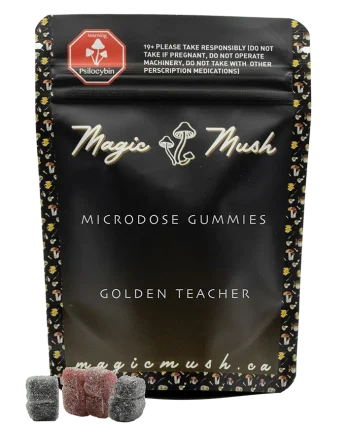
Price range: $60.00 through $240.00Golden Teacher Gummies for Microdosing
$25.00


Modern Perspective
While plant medicine has ancient origins, modern science is beginning to confirm what indigenous healers have known for centuries. Research into medicinal plants has exploded over the last few decades, with studies showing that plants like cannabis, turmeric, and even mushrooms contain compounds that can help treat a variety of conditions—from chronic pain to anxiety and depression. As Western medicine often relies on synthetic chemicals, more people are turning to plants for their natural, holistic healing properties.
From a modern perspective, plant medicine offers a fascinating intersection between ancient wisdom and contemporary science. The rediscovery of compounds like psilocybin in magic mushrooms, for example, is not just a reflection of a trend but a serious exploration into the ways plants and fungi can alter our perceptions, improve mental health, and offer healing in ways we’re still learning to understand.
Types of Plant Medicine
Plant medicine comes in many forms, and part of its beauty is the variety of ways it can be consumed or applied. Some of the most common types of plant medicine include teas, tinctures, essential oils, and topical applications. For instance, a simple cup of peppermint tea can provide soothing digestive relief, while lavender essential oils might be used in aromatherapy to help ease stress or promote sleep. On the other end of the spectrum, there are more potent forms like Ayahuasca, a powerful Amazonian brew, and magic mushrooms, which contain psilocybin—a compound known for its profound effects on consciousness and mental health. Whether you’re just starting or delving into more intense spiritual practices, there’s a type of plant medicine suited to your needs.

Why Choose Plant Medicine?
Holistic Healing
One of the main reasons people turn to plant medicine is its holistic nature. Unlike many pharmaceutical drugs, which tend to focus on treating symptoms, plant medicine works on multiple levels—physical, emotional, and spiritual. Herbs and plants can support the body’s natural processes, restore balance, and promote overall well-being. For example, adaptogenic herbs like Ashwagandha help the body adapt to stress, while turmeric’s anti-inflammatory properties offer support for joint pain. For me, the appeal of plant medicine lies in how it addresses not just the physical body but also the mental and emotional aspects of healing.
Holistic healing is deeply rooted in the belief that all aspects of health are interconnected. It’s about treating the whole person, not just a specific condition. When we incorporate plant medicine into our daily lives, we’re not just looking for a quick fix. Instead, we’re seeking to nurture the body and mind in a way that fosters long-term well-being. It’s a slower process but one that leads to deeper healing and a greater sense of connection.
Natural and Sustainable
In a world where synthetic medications are often the first line of treatment, many people are drawn to plant medicine because of its natural, sustainable approach. Plants have been used for healing for millennia, and with good reason. They’re renewable, biodegradable, and often come with fewer side effects than their pharmaceutical counterparts. Many plant-based remedies are free from the chemicals that are often present in over-the-counter and prescription medications. This natural approach to healing feels more aligned with the body’s own rhythms, offering a gentler and often more sustainable path to wellness.
What’s also appealing about plant medicine is that it offers a sustainable, eco-friendly alternative. As awareness of environmental issues grows, people are seeking solutions that don’t harm the planet. Many medicinal plants are easy to grow at home, making it possible for individuals to take control of their healing practices without relying on mass-produced drugs or treatments.
Connection to Nature
When we work with plants, we reconnect with the natural world in a meaningful way. This connection is often lost in the hustle and bustle of modern life. Whether you’re growing your own herbs or using plants for their medicinal properties, there’s something deeply grounding about the practice. For me, the act of making tea from fresh mint leaves or using lavender oil during meditation reminds me to slow down, breathe, and honor the earth’s offerings. Plant medicine allows us to step back from the chaos and return to a more simple, natural way of living.
More than just physical healing, plant medicine offers a chance to deepen our relationship with nature and ourselves. Whether you’re picking herbs from your garden or sitting in ceremony with sacred plants, there’s a profound sense of connection that comes with working directly with the earth’s offerings. In many ways, this is what makes plant medicine so special—it’s not just about healing, it’s about creating a more balanced and conscious life.

Common Types of Plant Medicine for Beginners
Chamomile and Peppermint Tea
If you’re new to plant medicine, starting with herbal teas is one of the simplest ways to begin. Chamomile tea is known for its calming properties, making it a perfect bedtime ritual for relaxation and improved sleep. I remember my first cup of chamomile tea—it became my go-to evening drink when I needed to unwind after a busy day. The subtle floral flavor is soothing, and the effect on my sleep was immediate. Peppermint tea, on the other hand, is excellent for digestive issues and can provide a quick pick-me-up when you’re feeling sluggish. These herbs are easy to find and gentle enough for beginners to experience the healing potential of plants.
Lavender and Essential Oils
Another plant medicine that’s easy to explore is lavender essential oil. It’s widely recognized for its calming and relaxing effects. Whether you’re using it in an aromatherapy diffuser, adding a few drops to your pillow before bed, or applying it topically to ease tension, lavender is an incredibly versatile plant. Personally, I’ve found it to be an essential part of my evening routine. When I feel stressed or anxious, a few drops of lavender oil help bring me back to a calm, grounded state. Lavender’s healing properties are not just limited to relaxation—it can also promote mental clarity and balance.
Turmeric
Turmeric is a powerhouse plant medicine known for its potent anti-inflammatory properties. If you’ve ever dealt with chronic pain or inflammation, turmeric can offer significant relief. I started adding turmeric to my diet in smoothies and teas, and the difference in my joint pain was remarkable. Beyond its anti-inflammatory benefits, turmeric is also a powerful antioxidant and supports digestive health. It’s an easy addition to your routine and can be taken in various forms—from powdered spice to capsules or teas.
Adaptogenic Herbs (Ashwagandha, Rhodiola)
Adaptogens like Ashwagandha and Rhodiola are fantastic plant medicines for those who experience high levels of stress. These herbs help the body adapt to stressors, promote mental clarity, and support adrenal health. Ashwagandha, for instance, has been a key part of my routine during periods of high anxiety. It helps to calm my nervous system and restore balance. As someone who’s always on the go, I appreciate how these adaptogens allow me to stay grounded, even when life gets chaotic. If you’re new to herbal medicine, adaptogens like these are a great starting point for managing stress and improving mental resilience.

How to Get Started with Plant Medicine
Research and Educate Yourself
As with any new practice, it’s essential to start by educating yourself. Read books, take online courses, or speak to herbalists who can guide you through the basics. The world of plant medicine is vast, and understanding how different plants work, their potential benefits, and any precautions to take is crucial. I started my journey by visiting local herbal stores and chatting with knowledgeable staff who could provide insights into which plants might be best for my needs. There’s a wealth of information available, and taking the time to learn about different plants will help you choose what’s right for you.
Start Small and Listen to Your Body
As with any new wellness practice, it’s best to start small. Don’t dive into every plant remedy all at once. Instead, start with one herb or remedy that resonates with you, and pay attention to how your body responds. I began with chamomile and peppermint tea, two plants that are gentle enough to provide a sense of calm without overwhelming my system. Over time, I experimented with other plants and remedies, always making sure to listen to my body’s needs and reactions.
Find a Supportive Community
Plant medicine isn’t just about using herbs and plants; it’s also about connecting with others who share similar interests. Whether it’s an online forum, a local herbalist, or a community group focused on plant-based healing, finding a supportive network can help you navigate your journey. I joined an online group of people who were also exploring plant medicine, and it’s been a valuable resource for sharing experiences, learning, and receiving encouragement. Healing can feel like a personal journey, but having a community around you makes it all the more enriching.

Traditional and Sacred Plant Medicines
Many of the most powerful plant medicines come from sacred, traditional practices. Ayahuasca, for example, is a powerful brew made from two plants native to the Amazon rainforest. Used in spiritual ceremonies by indigenous groups for centuries, Ayahuasca is known for its ability to induce powerful visions and emotional healing. The journey with Ayahuasca is intense, and it’s often used under the guidance of experienced shamans who help facilitate the experience and provide support during the process.
San Pedro, or Huachuma, is another sacred plant medicine, originating in the Andean region. This cactus has been used in spiritual ceremonies for thousands of years, offering clarity, emotional release, and insight into one’s spiritual path. It’s considered a gentle and heart-opening plant medicine, often used to heal emotional blockages and foster a deeper connection to oneself and others.
Tobacco is another plant that holds sacred significance in many indigenous cultures. Unlike the commercial tobacco used in cigarettes, the tobacco used in spiritual rituals is seen as a gift from the earth and is often used in ceremonial contexts to facilitate connection and healing. These plants and their uses highlight the deeply spiritual and sacred role that plant medicine plays in many cultures around the world.
Magic Mushrooms and Plant Medicine
Magic mushrooms, or psilocybin mushrooms, are another form of plant medicine gaining recognition for their mental health benefits. Psilocybin, the active compound in these mushrooms, has been shown to have a profound impact on mental health, with studies suggesting its potential to help treat depression, anxiety, and PTSD. The therapeutic use of magic mushrooms, particularly in guided sessions, can offer deep psychological healing and emotional clarity.
I first encountered magic mushrooms in a ceremonial setting, and the experience was both eye-opening and humbling. It wasn’t just about the psychedelic effects; it was about the healing that took place on a deep, emotional level. The insights I gained from that experience deepened my understanding of plant medicine as a tool for personal growth and mental health. Magic mushrooms are not just a recreational substance; they are a powerful ally in the realm of plant-based healing.

How to Begin Your Journey with Plant Medicine
If you’re new to plant medicine, it’s important to start small and educate yourself along the way. Begin with something simple, like herbal teas or essential oils. These are safe, accessible, and provide an easy entry point into the world of plant-based healing. Take the time to research the plants you’re using—understand their effects, their traditional uses, and their potential benefits.
For more potent plant medicines like Ayahuasca or psilocybin mushrooms, it’s crucial to work with an experienced guide. These powerful plants can have profound effects, and their use should always be approached with respect and care. Setting intentions before working with plant medicine is also essential. Whether you’re using it for healing, clarity, or spiritual growth, having a clear purpose can enhance the experience and help you align with the wisdom of the plants.
The Science and Spirit of Plant Medicine
Plant medicine sits at the intersection of science and spirit. On one hand, there is a growing body of research supporting the health benefits of plant-based remedies. Studies on plants like turmeric, lavender, and psilocybin show how these plants can be used to treat everything from inflammation to mental health disorders. On the other hand, plant medicine also has a deeply spiritual side. It’s about healing the mind, body, and spirit in ways that go beyond the physical realm. The beauty of plant medicine is that it’s not just about healing the body—it’s about fostering a deeper connection to the earth, ourselves, and the greater universe.

Explore the Transformative Power of Plant Medicine with Magic Mush
From the humble chamomile flower to the transformative power of magic mushrooms, plant medicine offers a vast world of healing possibilities. Whether you’re looking for relief from stress, emotional clarity, or physical healing, there’s a plant out there that can support you. As you begin your journey with plant medicine, approach it with curiosity, respect, and an open heart. Who knows where it might lead?
At Magic Mush, we believe in the transformative power of psilocybin mushrooms and their potential for mental and emotional well-being. Our offerings include mushroom gummies, microdose capsules, magic mushroom chocolates, and dried magic mushrooms, all sourced and crafted with quality and care. For those in Magic Mushrooms Toronto and across Canada, Magic Mush provides a safe and supportive environment to explore these powerful natural remedies.
With rigorous testing and a focus on education, Magic Mush is more than a provider of premium products—it’s a community dedicated to destigmatizing psychedelics and empowering individuals to discover their therapeutic benefits. Whether you’re a seasoned user or new to the world of plant medicine, we’re here to guide and support you every step of the way. Join us in challenging biases, fostering understanding, and unlocking the healing potential of magic mushrooms for mental and emotional wellness.