The noise stopped months ago, but it was still in my bones. The gunfire, the screaming, the blasts that shook the ground—they were gone. But the silence that followed was heavier than any explosion I’d ever felt. Walking through my apartment felt alien. The hum of the refrigerator, the faint drip of the faucet, even my own footsteps—they all echoed like I was somewhere I didn’t belong. The world was moving, but I wasn’t really in it.
At first, I thought the quiet would be a relief. I told myself, at least I survived, at least the war is over. But survival felt hollow. Meals had no taste, laughter felt like someone else’s memory, and conversations floated past me as though I were a ghost. Even in a crowded room, surrounded by voices, I felt utterly, painfully alone. The silence inside my head had become deafening.
I tried to fill the emptiness with distractions. Late-night TV, endless scrolling on my phone, long walks that went nowhere—all of it felt meaningless. The distractions dulled my awareness for a while, but they never lasted. Soon, I’d notice the same weight pressing down in quiet moments, in the pauses between sounds, in the space where laughter and music should have been. The silence wasn’t peaceful—it was oppressive.
Sleep offered no refuge. I’d lie awake, straining for a sound that might remind me life was still happening somewhere. Often, I’d close my eyes and hear echoes of the past—a door slamming that sounded like a blast, a car backfiring that tore me out of my skin. When the echoes faded, the emptiness returned, heavier than before. My own heartbeat felt intrusive, a reminder that my body was alive, but my soul had gone quiet.
I stopped laughing. I stopped crying. For months, I existed as a shadow of myself, moving through the motions without feeling. I began to dread the very act of living. Every day felt like a test I couldn’t pass, a world I no longer belonged to. Silence was no longer a break from chaos—it was a cage. It wrapped around me, tight and unyielding, reminding me of the life I had survived and the life I had lost.
🍄 Read inspiring success stories of veterans whose lives have been transformed through psilocybin therapy, from healing trauma to reclaiming hope and well-being
Even the simplest pleasures had vanished. Coffee tasted bitter, sunlight felt harsh on my skin, and music, which once carried me through my darkest days, now barely registered. I watched people interact and felt a pang of envy, a reminder that I was trapped in a world that no longer included me. The disconnect wasn’t just social—it was visceral. My senses had gone numb, and I didn’t know how to bring them back.
And then there were the memories. They came unbidden at night and sometimes during the day, and they weren’t the memories of good times. They were flashes of fire, dust, and screaming, stitched into the corners of my mind. I tried to suppress them, but suppression only thickened the silence. The more I fought, the more the emptiness grew, a black pool where emotion and life once lived.
I started to believe that maybe this PTSD was permanent. Maybe it wasn’t just a part of recovery—it was my new reality. The world was moving on, and I was stuck in a limbo where even survival felt unbearable. I could feel life brushing past me, but I couldn’t touch it, couldn’t engage with it, couldn’t belong.
And then, one night, everything changed. I took the medicine. For the first time in what felt like forever, I felt a crack in the silence. A warmth. A sound. A pulse of life that reminded me I was still here. I remember sitting on the edge of my bed that night, the room bathed in the soft glow of a single lamp, and feeling something stir inside me that I hadn’t felt in months—maybe even years.
It was fragile, almost imperceptible, but it was real: a flicker of hope, a tiny reminder that life could return to me, that the silence didn’t have to be permanent. I didn’t know exactly how, or what the medicine would do, but for the first time in a long time, I felt ready to find out. That was the moment the journey began—the night I decided to let the medicine help me reclaim myself.
🍄 Explore the seven stages of trauma healing and learn how to navigate each step on the journey toward recovery, resilience, and personal transformation
How War Leaves Its Echoes Even When the Fighting Stops
I can’t give you a battlefield diary—what happened there is too heavy for casual storytelling. But I can tell you about the sounds that never left me: the whine of distant bullets, the low rumble of tanks, the way a single scream can linger long after it ends. When the chaos ended, I expected peace. What I got was emptiness. The transition from constant survival to quiet safety felt like stepping into a vacuum.
At first, I tried to fill the emptiness with distractions: late-night shows, endless scrolling on my phone, running errands I barely cared about. Nothing worked. The quiet followed me everywhere. Even when friends and family were near, I felt disconnected. It wasn’t just isolation—it was the feeling that life had continued without me.
I realized that my senses had gone numb. I couldn’t taste my favorite foods, I couldn’t enjoy a walk in the park, and even music, which used to stir something deep inside, now barely registered. The trauma had settled into my body and mind like sediment, heavy and unmoving. Days blended into nights, and the silence became its own prison, confining me to a life that was technically normal but emotionally barren.
I tried therapy, reading, even mindfulness exercises. They helped a little, but the weight didn’t lift. It was clear that I couldn’t keep living like this. Something radical, something different, had to happen. I needed a way to feel alive again, not just to survive.
The Moment I Knew I Couldn’t Keep Living in This Emotional Freeze
It hit me on an ordinary Tuesday. I was sitting in my apartment, staring at the wall, and I realized I hadn’t smiled in months. Not a real smile, not a laugh, not even a smirk. I felt like I was slipping away from myself. That was the moment I knew I couldn’t keep living frozen in silence.
A friend—someone who had gone through his own battles—mentioned psychedelics in passing. He talked about how they helped him reconnect with emotions he thought were gone forever. At first, I was skeptical. But then I started reading, diving into research from MAPS and Johns Hopkins, and I realized that this wasn’t just a trip for thrill-seekers—it could be a tool for healing.
I spent weeks preparing. I mindfully meditated, I journaled, I set intentions. I thought about what I wanted to release, what I wanted to hold onto, and what kind of self I wanted to meet on the other side. The preparation itself was powerful. For the first time in a long while, I felt like I was actively doing something to reclaim my life, instead of letting the silence consume me.
Check out this magic mushroom!!

A.P.E Psilocybin Chocolate Bar
$60.00Dried Penis Envy Magic Mushrooms
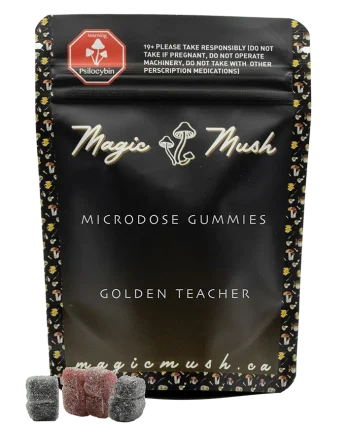
Price range: $60.00 through $240.00Golden Teacher Gummies for Microdosing
$25.00


How the Medicine Opened the Door I Thought Was Closed Forever
When the session started, the world felt simultaneously familiar and alien. The first thing I noticed was sound. I could hear the rustle of leaves outside the window, the gentle hum of electricity in the room, even the rhythm of my own breath. It was as though the medicine had pulled the blinds back on a part of reality I’d been blind to for months.
Emotions came in waves. I remembered people I had lost, and instead of the usual numbness, I felt compassion—for them and for myself. Tears flowed, but so did laughter. I recognized that the silence I’d been living in wasn’t safety—it was a protective barrier that had grown too thick. The medicine didn’t erase the past, but it gave me a new way to engage with it.
Colors returned, textures returned, and even the air felt alive. I could feel my body, really feel it, as though waking up from a long sleep. Every memory, every feeling, every sensory detail that had been buried started to stir, and for the first time in years, I felt like I was home inside myself. It wasn’t instant healing, but it was the first crack in the silence that had kept me hostage.
Bringing the Lessons Back Into Everyday Life
The real challenge came after the session. The insights were vivid, but life outside the session was still messy, noisy, and unpredictable. I had to learn to carry that openness into routine: connecting with friends, listening instead of retreating, laughing at small things. I practiced gratitude, mindful breathing, and microdosing occasionally to maintain a sense of emotional clarity.
Rebuilding relationships took patience. I had to apologize for my distance, explain my absence, and show that I was trying to be present in a way I hadn’t been before. Some friends were skeptical, some supportive, but all of them noticed that I was finally trying, not just surviving.
Even daily life—walking in the park, enjoying a meal, talking with neighbors—felt richer. I could feel my heart responding to simple joys, and while the trauma didn’t vanish, I now had tools to meet it without shutting down. Silence no longer had the final word. I had reclaimed my voice, my laughter, and my connection to the world.
How I Learned That Healing Is a Practice, Not a Destination
I built what I like to call a “mindset toolkit.” Breathwork, journaling, movement, and visualizations all became part of my daily routine. On hard days, when fear or old memories tried to pull me back into isolation, I used these tools to ground myself. Microdosing became a gentle way to stay attuned to my emotional landscape without overwhelming it.
I noticed when my mind started to drift back into old habits—tensing up, withdrawing, numbing. Instead of resisting or judging myself, I paused, breathed, and reminded myself of the freedom I’d felt in the session. The medicine wasn’t a cure—it was a teacher, showing me the possibility of living fully again, and giving me the courage to practice it daily.
Even now, years later, I encounter silence. It’s unavoidable. But I’ve learned that it doesn’t have to be empty. It can be a space for reflection, for gratitude, for listening. Healing isn’t about erasing emotional trauma—it’s about learning to inhabit the world fully again, even with the shadows that come along.
🍄 Discover the seven most common types of trauma, how they affect the mind and body, and ways to recognize their impact on daily life
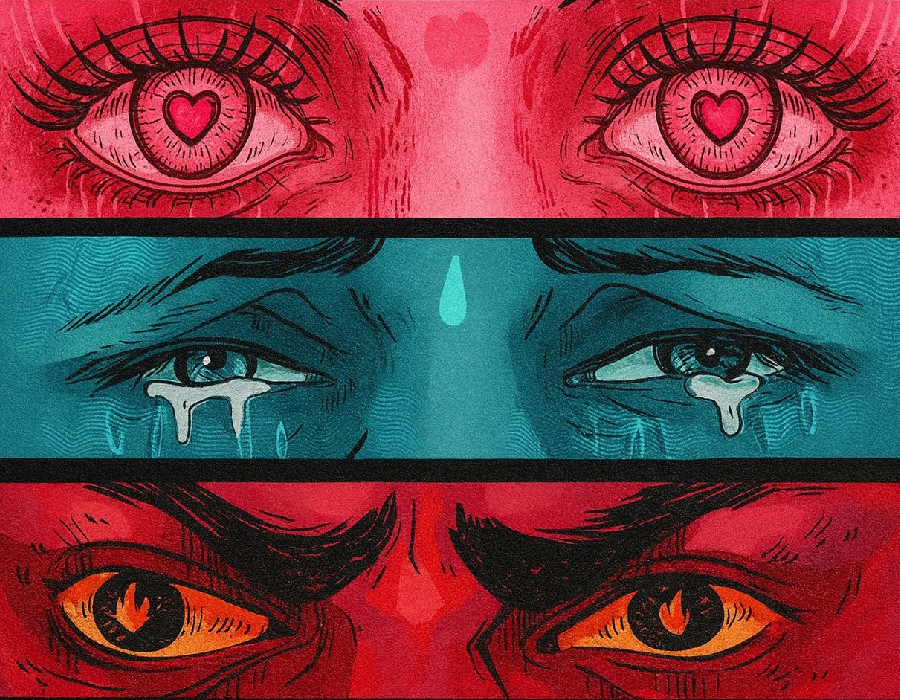
If You’re Ready to Reclaim Your Life, Magic Mush Canada Can Be Your Buddy on This Journey
Looking back, the journey from suffocating silence to reconnecting with life has been profound. Psychedelics helped me open doors I thought were permanently closed. They reminded me that even after unimaginable trauma, connection, laughter, and emotional richness are possible. The experience changed how I engage with myself, with others, and with the world.
It’s clear now that healing isn’t a one-off event—it’s a series of small steps, practices, and reminders that life can feel vivid again. Psychedelics were the catalyst, but the daily work of staying present, open, and connected is where the real transformation happens.
And here’s the part I want to tell you like a friend: Magic Mush Canada can help you start that journey safely and confidently. Think of them as the buddy who’s done the homework, tested the products, and genuinely wants to see you have a meaningful experience. They’re not just selling mushrooms—they’re supporting you in exploring healing in a way that’s safe, informed, and respectful.
I love that Magic Mush Canada focuses on education and community. You don’t just get products—you get guidance, resources, and a team that actually cares about your experience. Their quality is top-notch, and their transparency makes you feel like you’re stepping into a space that’s trustworthy, not just transactional.
If you’re nervous or curious, their team is there to answer questions, offer advice, and make sure your first steps feel comfortable. Shopping with Magic Mush Canada is easy, private, and reassuring, especially if you’re new to the world of psychedelics. You can explore microdosing or deeper journeys knowing you’re supported every step of the way.
So if you’re ready to take that first step back into life—to feel, to laugh, to heal—check out Magic Mush Canada. Consider it the friend you wish you had when the silence felt endless. Trust me, having someone like them in your corner makes the journey not only possible, but truly transformative.