I never thought addiction would become a defining part of my life. As a psychiatry resident, I was well-versed in the science of addiction, yet I found myself helpless as I battled my own. It started innocently enough, with alcohol to unwind after long shifts at the hospital. But before I knew it, what began as occasional drinking turned into a full-blown dependency. My career, my relationships, and my sense of self deteriorated as I struggled to keep my addiction under control.
I tried everything. Rehab programs. Therapy sessions. Medication-assisted treatments. But despite my efforts, I couldn’t shake the addiction. Each time I relapsed, I felt more defeated, more isolated. It wasn’t until I stumbled upon the idea of microdosing psilocybin that something finally shifted. At first, I was skeptical, but I was desperate enough to try anything. What followed was nothing short of life-changing. Microdosing psilocybin didn’t just reduce my cravings—it completely altered the way I saw myself. For the first time in years, I felt a sense of hope.
In this article, we will take a closer look into how microdosing psilocybin helped me overcome treatment-resistant addiction, and how this alternative approach can empower other women facing similar struggles.

Understanding the Struggles of Treatment-Resistant Addiction: A Woman’s Perspective
Defining Treatment-Resistant Addiction
Treatment-resistant addiction is a term used to describe the ongoing struggle individuals face when conventional methods—like therapy, rehab, or medication—fail to provide lasting relief. This is a particularly difficult situation for many women, who often face unique challenges when it comes to addiction recovery. For many women, the cycle of relapse and treatment can feel endless, as traditional methods often don’t address the underlying emotional or psychological factors at play.
Women are also more likely to experience addiction in ways that differ from men. We may be more sensitive to the emotional, social, and psychological aspects of addiction, which can make recovery more complicated. Societal pressures, expectations, and the stigma associated with addiction often complicate the recovery process, leaving many women feeling like they are failing—no matter how hard they try.
The Unique Challenges Women Face
As a woman in recovery, I found myself constantly battling not just the addiction itself, but the societal expectations that came with it. I was expected to be the perfect professional, a successful resident, a caring partner, and a dependable friend—all while hiding the fact that I was struggling with a serious addiction. These pressures made it difficult to be honest with myself, let alone others, about the depth of my problem.
In addition to these external pressures, many women face trauma or emotional burdens that contribute to addiction. This can include a history of abuse, societal expectations, or the emotional weight of living up to unattainable standards. For me, the guilt and shame of not being able to “get it together” after multiple treatment attempts felt overwhelming, and it made it harder to take the necessary steps toward healing.

A First-Person Account of the Struggles
The struggle with treatment-resistant addiction is not just physical; it’s emotional and psychological as well. Every time I relapsed, I felt like I had failed. I had already completed multiple rehab programs and tried various therapies, but the addiction always seemed to creep back. The emotional toll was immense—I was exhausted, ashamed, and at my wit’s end.
It wasn’t just the addiction itself that kept me stuck, but the overwhelming belief that I was broken, incapable of healing. There were moments when I couldn’t even recognize myself. But the most difficult part was the constant feeling of isolation. Even in a room full of people, I felt completely alone in my battle. My addiction seemed like a secret I couldn’t escape from, no matter how many treatments I tried.
The Call for Innovative Solutions
After so many failed attempts at traditional treatment, I realized that I needed something different. I couldn’t keep walking the same path and expecting different results. That’s when I turned to microdosing psilocybin. I knew it was unconventional, but I was ready to try anything that might help me break the cycle. It was clear that the traditional methods weren’t working for me, and I was eager to explore alternative therapies that could address not just the addiction, but the underlying emotional struggles as well.
Check out this magic mushroom!!

A.P.E Psilocybin Chocolate Bar
$60.00Dried Penis Envy Magic Mushrooms
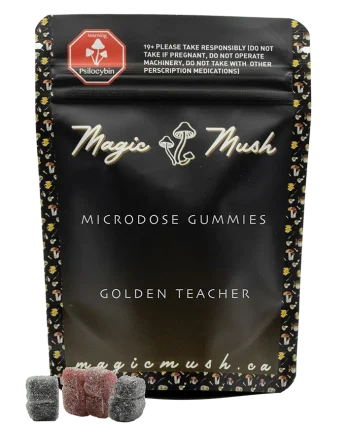
Price range: $60.00 through $240.00Golden Teacher Gummies for Microdosing
$25.00


How Microdosing Psilocybin Can Help Women Break Free from Addiction
The Woman’s Journey to Recovery
My journey with microdosing psilocybin started with skepticism. The idea of using psychedelics to heal addiction seemed far-fetched, but I was desperate for a change. I started with very small doses, just a fraction of what would be considered a normal dose. The initial effects were subtle but powerful. Over time, I began to notice changes—not just in my cravings, but in the way I viewed myself. I no longer felt defined by my addiction.
As I continued microdosing, I found that it helped me gain clarity on my emotional struggles. It allowed me to process past trauma and face the root causes of my addiction. I felt more connected to myself and others, and the shame that had haunted me for so long began to fade. My cravings for alcohol also began to diminish. For the first time, I felt empowered in my own recovery.
The Broader Impact on Women’s Addiction Recovery
Microdosing psilocybin offers a unique approach to recovery, particularly for women who face additional challenges in overcoming addiction. For women, recovery isn’t just about quitting substances—it’s about reclaiming our sense of self. The emotional, psychological, and societal factors that contribute to addiction must be addressed if we are to heal fully. Microdosing psilocybin helps women break free from these barriers by fostering emotional resilience and providing a new perspective on the recovery journey.
What microdosing does, for women like me, is offer a pathway to empowerment. It helps us let go of the shame that so often accompanies addiction and recovery. It opens up new doors for healing, providing a sense of hope where there once was none.
A Message of Hope
My transformation through microdosing has given me a sense of peace I never thought possible. I now see my recovery as an ongoing process, one that is rooted in self-compassion rather than shame. If you are a woman struggling with addiction, I encourage you to explore this innovative approach. There is no one-size-fits-all solution to recovery, but for me, microdosing psilocybin has been an essential part of my healing.

The Science Behind Microdosing Psilocybin: How Does It Support Women in Recovery?
How Does Psilocybin Affect the Brain, and What Does That Mean for Women Dealing with Addiction?
Psilocybin, the active compound in magic mushrooms, works by influencing serotonin receptors in the brain. This interaction can lead to changes in mood, perception, and thought patterns. In the context of addiction recovery, psilocybin can help “reset” the brain, fostering neuroplasticity—the brain’s ability to reorganize and form new neural connections. This is especially beneficial for women with treatment-resistant addiction, as it can help break the cycles of negative thinking that often fuel addiction.
What Does the Latest Research Say About the Effectiveness of Microdosing in Supporting Recovery?
Recent studies have shown that psilocybin can be effective in treating conditions like depression, anxiety, and addiction. While much of the research is still in its early stages, the evidence suggests that microdosing may offer a powerful tool for overcoming addiction. One study found that patients with treatment-resistant depression experienced significant reductions in symptoms after microdosing psilocybin, with many reporting sustained benefits for months after the treatment. This indicates that psilocybin may help reshape how individuals see their addiction and themselves, offering a potential breakthrough for those who have not found success with traditional treatments.
Are There Specific Studies Highlighting the Benefits of Microdosing for Women Overcoming Addiction?
There is emerging research on how microdosing psilocybin can support women specifically in their addiction recovery. Studies have shown that women’s brains may respond differently to psychedelics compared to men’s, which means that women may experience unique benefits from microdosing. Research has also highlighted that psychedelics, including psilocybin, can aid in healing trauma—a key factor in many women’s struggles with addiction. By addressing both addiction and underlying trauma, microdosing may be especially effective for women seeking recovery.

Resources and Community Support: Where Can Women Find Help with Microdosing Psilocybin?
Navigating the Experience
For many women, navigating the microdosing experience can be a deeply personal journey. Some may find it challenging to surrender fully to the experience, especially if they feel observed or isolated. As one participant shared, “I didn’t feel unsafe, but I didn’t feel in control either.” Personal comfort is crucial when undergoing microdosing sessions, and many women find that having a supportive guide or therapist can make all the difference.
Integration Needs
One of the key elements of psychedelic-assisted recovery is integration—the process of incorporating insights from the experience into everyday life. For many women, the real healing comes after the session, as they reflect on their experiences and work through the emotions and realizations that arise. The need for ongoing support and community is essential for women to process their journey and continue healing.
Postpartum Depression and Psychedelic-Assisted Therapy
Psychedelic-assisted therapies have shown promise in treating postpartum depression, providing women with a unique way to address emotional and psychological burdens that may contribute to addiction. One woman shared her experience with psychedelic therapy, describing how it helped her release the emotional weight of postpartum depression, allowing her to reconnect with her sense of self and break free from addiction.

Future Directions: What’s Next for Women and Microdosing Psilocybin in Addiction Treatment?
What Exciting Research Is on the Horizon Regarding Psychedelics and Women’s Health?
The landscape of psychedelic research is evolving rapidly, and exciting possibilities lie ahead, particularly for women. Over the past few years, there has been a significant push for more research into psychedelics, including psilocybin, and their effects on women’s health. Researchers are increasingly focused on how substances like psilocybin can address not just addiction but also mental health conditions that disproportionately affect women, such as postpartum depression, anxiety, and trauma-related disorders.
One particularly promising area is the intersection of microdosing psilocybin and women’s reproductive health. Early studies suggest that psychedelics could help women heal from traumatic birth experiences or cope with the emotional and psychological aftermath of pregnancy and childbirth. As research in this area continues to grow, we may see more targeted therapies that offer hope to women struggling with addiction or emotional trauma, particularly when traditional treatments have failed.
Additionally, as the conversation surrounding psychedelic-assisted therapy expands, women are becoming more involved in both the research and advocacy sides of the field. This increased participation is likely to bring attention to the unique experiences of women in addiction recovery, ensuring that future research better addresses our specific needs and challenges.
How Might Microdosing Psilocybin Reshape the Future of Addiction Treatment for Women?
Microdosing psilocybin has the potential to revolutionize addiction treatment, particularly for women dealing with treatment-resistant addictions. By helping to reset neural pathways and promoting neuroplasticity, microdosing could offer a more sustainable and effective treatment option. Unlike traditional methods that often focus solely on managing symptoms, microdosing addresses the root causes of addiction, including emotional and psychological wounds, by enhancing emotional resilience and providing new perspectives on recovery.
As more women try microdosing and share their experiences, we may see it become a mainstream therapeutic tool for addiction recovery. The future could see microdosing integrated into rehabilitation programs or used alongside other therapies to provide a more holistic approach to healing. This could help women break free from the cycles of addiction and offer a path to recovery that truly aligns with their needs and life experiences.
Moreover, as we move toward a more individualized approach to healthcare, microdosing could play a pivotal role in creating personalized treatment plans for women. The ability to tailor psychedelic therapy to an individual’s specific needs, including addressing underlying trauma, could significantly improve outcomes for women struggling with addiction.
What Can Women Do to Advocate for More Research and Acceptance of Microdosing in Therapeutic Contexts?
Women have a crucial role to play in shaping the future of psychedelic therapy, particularly when it comes to microdosing. By sharing personal stories, advocating for more research, and supporting initiatives that promote safe, legal access to psychedelics, women can help move this field forward.
One way to advocate is by participating in clinical trials or research studies focused on psychedelics and women’s health. This involvement can help to build a stronger body of evidence that supports the therapeutic benefits of microdosing, particularly for addiction treatment. Women can also advocate for policy changes that allow for greater access to psilocybin, especially for those dealing with treatment-resistant addiction.
Public advocacy is another powerful tool. As the public conversation around psychedelics becomes more open, women can engage in discussions about their experiences with microdosing, which can help reduce stigma and shift societal perceptions. By sharing how microdosing has helped in their recovery, women can contribute to the growing body of support for psychedelic-assisted treatments in addiction recovery.

How Magic Mush Can Empower Women Battling Treatment-Resistant Addiction
Microdosing psilocybin has emerged as a groundbreaking treatment for women facing treatment-resistant addiction. Through its potential to promote emotional healing, foster self-empowerment, and reset neural pathways, microdosing offers a holistic approach to addiction recovery that goes beyond traditional methods. By addressing the root causes of addiction—emotional trauma, neurological imbalances, and mental health issues—microdosing helps women break free from cycles of addiction that have previously felt insurmountable. As we’ve explored in this article, microdosing doesn’t just relieve the symptoms of addiction, it provides a transformative experience, helping women reclaim their lives and empowering them to rediscover their sense of self and purpose.
While microdosing psilocybin is still being researched, early findings have shown promising results, particularly for women who have not found success with conventional treatments. This innovative therapy has the potential to reshape the future of addiction treatment, offering an individualized and deeply therapeutic approach. Women who are seeking a new path to recovery now have more tools than ever to support their healing journey. With proper guidance, education, and access to safe, high-quality psilocybin products, microdosing could be the key to lasting recovery.
Discover the Benefits of Microdosing with Magic Mush
At Magic Mush, we are proud to be at the forefront of this movement. As a trusted source for premium magic mushrooms in Canada, we’re dedicated to providing high-quality products, education, and support for individuals interested in exploring the therapeutic potential of psychedelics, including Mushroom gummies, Microdose capsules, Magic mushroom chocolates, and Dried magic mushrooms. Our mission is to destigmatize magic mushrooms and offer a safe, supportive environment where individuals can learn, grow, and heal. Whether you’re new to microdosing or have experience with psychedelics, we are here to guide you on your journey.
With our wide range of products, including premium psilocybin options and expert dosing guides, Magic Mush is your partner in exploring the life-changing benefits of magic mushrooms. Whether you’re located in Magic Mushrooms Toronto or shopping online, our commitment to quality ensures that every product is rigorously tested to meet the highest safety and efficacy standards. We prioritize privacy, offering seamless online shopping and exceptional customer support to ensure your experience is as smooth as possible. When you choose Magic Mush, you’re not just purchasing a product—you’re joining a community of like-minded individuals who are passionate about the transformative power of psychedelics.
Start your healing journey today with Magic Mush. Explore our shop, connect with our community, and discover the potential of microdosing psilocybin to help you reclaim your life from addiction. With our products and support, you can take the first step toward a brighter, more empowered future. Visit us online or at one of our locations in Ottawa or Toronto to learn more, shop, and experience the difference Magic Mush can make in your recovery journey.