Bipolar disorder is a mental health condition that often presents a complex and turbulent challenge for those who live with it. Characterized by extreme mood swings, ranging from manic highs to depressive lows, this disorder impacts every facet of life—from personal relationships to professional stability. For many, traditional treatments, which typically involve a combination of medications such as mood stabilizers, antipsychotics, and antidepressants, alongside therapy, can be a lifeline. However, these solutions are not without their limitations, often leading to unsatisfactory results or undesirable side effects.
Enter psilocybin, the naturally occurring psychoactive compound found in certain types of mushrooms, commonly referred to as “shrooms.” Over the past decade, psilocybin has been making headlines, sparking interest in its potential as a novel treatment for various mental health conditions, including depression, PTSD, and anxiety. But could this ancient psychedelic also hold promise for treating bipolar disorder? What does the current research say, and are the risks worth the potential rewards?
This guide delves into the science and speculation surrounding psilocybin and bipolar disorder, offering a comprehensive look at how shrooms may impact mood regulation, what the benefits and drawbacks could be, and the ethical considerations that come with such a treatment approach.
Bipolar Disorder 101: The Basics
Bipolar disorder is more than just occasional mood swings. It is a chronic mental illness that affects a lot of people, with symptoms typically emerging in late adolescence or early adulthood. The disorder is marked by two distinct phases: mania (or hypomania) and depression.
The Manic Phase
During a manic episode, individuals may experience elevated mood, increased energy, and heightened activity levels. These episodes can sometimes lead to risky behavior, such as overspending, reckless driving, or engaging in impulsive sexual activities. Mania can also bring about irritability, sleeplessness, and, in severe cases, hallucinations or delusions.
The Depressive Phase
On the other side of the spectrum is the depressive phase, which can be debilitating. Symptoms often include intense sadness, hopelessness, loss of interest in daily activities, fatigue, and, in some cases, suicidal thoughts. This cyclical nature of the disorder makes it particularly difficult to treat, as therapies must address both extremes.
Current Treatments and Their Limitations
The most common treatments for bipolar disorder include mood stabilizers like lithium, anticonvulsants, and antipsychotic medications. These medications can help manage the symptoms but are not always effective for everyone. Moreover, many of these drugs come with a host of side effects, such as weight gain, drowsiness, and cognitive impairment, which can make long-term adherence difficult. Psychotherapy, particularly cognitive-behavioral therapy (CBT), is also a key component of treatment, helping patients manage their symptoms and develop coping strategies.
However, despite these interventions, many individuals with bipolar disorder continue to struggle with mood instability, leading to an ongoing search for alternative or complementary therapies. This is where the exploration of psilocybin as a potential treatment option begins.

Shrooms: Not Just for Trips Anymore
Psilocybin has a long history of use, dating back to ancient cultures that revered these mushrooms for their mind-altering effects and spiritual significance. Indigenous peoples in Mesoamerica, for example, used psilocybin-containing mushrooms in religious ceremonies, believing that they could connect with the divine and gain insight into the mysteries of life.
The Science Behind the Psychedelic Effects
Psilocybin works by interacting with serotonin receptors in the brain, particularly the 5-HT2A receptor, which plays a key role in mood, perception, and cognition. Once ingested, psilocybin is metabolized into psilocin, the active compound that produces the psychedelic effects. These effects can range from altered sensory perception and emotional introspection to profound experiences of unity and connectedness.
Researchers believe that these experiences, when guided and integrated within a therapeutic context, could potentially help individuals with mood disorders like bipolar disorder by promoting emotional release, enhancing neuroplasticity, and offering new perspectives on their thoughts and behaviors.
Brain Chemistry: How Shrooms Work Their Magic
At the heart of psilocybin’s effects on mood and cognition lies its interaction with brain chemistry, particularly the serotonin system. Serotonin is a neurotransmitter that plays a critical role in regulating mood, anxiety, and happiness. Many of the medications currently used to treat bipolar disorder, such as selective serotonin reuptake inhibitors (SSRIs), work by increasing the levels of serotonin in the brain. Psilocybin, however, operates differently.
Serotonin Receptors and Psilocybin
Psilocybin binds to the 5-HT2A receptor, a specific subtype of serotonin receptor, which is believed to be responsible for the profound changes in consciousness and perception associated with psychedelic experiences. This receptor is also implicated in mood regulation, which is why researchers are interested in psilocybin’s potential to stabilize mood in conditions like bipolar disorder. By activating this receptor, psilocybin may help reset or recalibrate the brain’s default mode network, which is often disrupted in mood disorders.
Neuroplasticity and Emotional Regulation
One of the most exciting aspects of psilocybin research is its potential to promote neuroplasticity—the brain’s ability to reorganize and form new neural connections. This is particularly relevant for individuals with bipolar disorder, as chronic mood instability is thought to be associated with rigid or maladaptive neural patterns. By enhancing neuroplasticity, psilocybin may help individuals break free from these entrenched patterns and develop healthier ways of thinking and feeling.
Studies have also shown that psilocybin can increase emotional regulation, helping individuals process and integrate difficult emotions. This could be especially beneficial for those with bipolar disorder, who often struggle with intense and unpredictable emotional states.
Check out this magic mushroom!!

A.P.E Psilocybin Chocolate Bar
$60.00Dried Penis Envy Magic Mushrooms
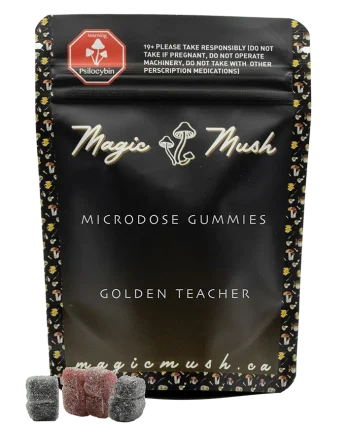
Price range: $60.00 through $240.00Golden Teacher Gummies for Microdosing
$25.00


How Shrooms Stack Up Against Standard Medications
Compared to traditional medications for bipolar disorder, psilocybin offers a different approach. While medications like lithium or antipsychotics work by stabilizing mood through chemical regulation, psilocybin appears to facilitate emotional and cognitive breakthroughs that can lead to long-lasting changes in behavior and perception. However, this also means that psilocybin is not a daily treatment like traditional medications but is instead used in guided, therapeutic sessions.
The Research Scene: What We Know So Far
Research into the effects of psilocybin on bipolar disorder is still in its early stages, but the findings so far are encouraging. Several clinical trials have explored the use of psilocybin in treating depression, anxiety, and PTSD, with many participants reporting significant improvements in their symptoms. These studies suggest that psilocybin could have similar benefits for individuals with bipolar disorder, particularly in managing depressive episodes. There is also growing interest in psilocybin for obsessive compulsive disorder, as early findings indicate its potential to reduce intrusive thoughts and compulsive behaviors by promoting cognitive flexibility and disrupting maladaptive thought loops.
Clinical Trials and Psilocybin Research
One of the most prominent studies on psilocybin and mental health is a 2016 trial conducted by researchers at Johns Hopkins University. The study found that a single dose of psilocybin produced rapid and sustained reductions in depression and anxiety in patients with life-threatening cancer. Similar studies have shown that psilocybin can lead to lasting improvements in mood and well-being, with some participants reporting benefits that persist for months or even years after the initial treatment.
While these studies have primarily focused on depression and anxiety, they provide a foundation for exploring psilocybin’s potential in treating bipolar disorder. Researchers are now beginning to investigate how psilocybin could be used to stabilize mood in individuals with bipolar disorder, with several clinical trials currently underway.
What’s Promising, What’s Not
The potential benefits of psilocybin for bipolar disorder are promising, particularly in terms of its ability to promote emotional breakthroughs and enhance therapy. However, there are still significant challenges to overcome. For example, the risk of triggering mania or psychosis in individuals with bipolar disorder remains a concern, particularly if psilocybin is used without proper guidance and support.

The Good Stuff: Potential Benefits of Shrooms for Bipolar Disorder
For individuals with bipolar disorder, the potential benefits of psilocybin therapy are intriguing. One of the most significant advantages is the possibility of achieving greater mood stability, particularly in managing depressive episodes. Unlike traditional medications, which often focus on suppressing symptoms, psilocybin therapy aims to address the root causes of emotional distress by facilitating deep introspection and emotional release.
Mood Stability and Depression Relief
Research suggests that psilocybin could help stabilize mood by resetting the brain’s default mode network, which is often disrupted in mood disorders. This network is responsible for self-referential thinking and rumination, which are common in both depression and bipolar disorder. By disrupting these patterns, psilocybin may help individuals break free from the cycle of negative thinking and experience greater emotional balance.
Personal Stories: Real Experiences with Psilocybin Therapy
While clinical research is still in its early stages, anecdotal evidence from individuals who have used psilocy
bin to manage their bipolar disorder is compelling. Many report that psilocybin has helped them gain new insights into their condition, process unresolved trauma, and experience a greater sense of emotional well-being. However, these experiences also highlight the importance of proper preparation, guidance, and integration, as the effects of psilocybin can be intense and unpredictable.
Enhancing Therapy Sessions with Psilocybin
Another potential benefit of psilocybin therapy is its ability to enhance the therapeutic process. By inducing a state of heightened awareness and emotional openness, psilocybin can help individuals access and process difficult emotions that may be otherwise inaccessible in traditional therapy. This can lead to breakthroughs that accelerate the healing process and promote long-term recovery.

The Importance of Set and Setting
One of the key factors that determine the outcome of a psilocybin experience is the concept of “set and setting.” This refers to the individual’s mindset (set) and the physical and social environment in which the experience takes place (setting). For individuals with bipolar disorder, it is crucial to have a carefully controlled and supportive environment, as well as a trained therapist or guide, to help navigate the experience and prevent any negative outcomes.
Ethical Dilemmas and Informed Consent
Another consideration when exploring psilocybin therapy for bipolar disorder is the ethical implications. Given the powerful effects of psilocybin and the potential risks, it is essential that individuals fully understand what they are getting into before embarking on this type of treatment. Informed consent, thorough screening, and ongoing support are critical components of any responsible psilocybin therapy program.
Making It Work: Integration and Support
Psilocybin therapy is not a one-time fix. The real work begins after the psychedelic experience, in what is known as the integration phase. Integration refers to the process of making sense of the insights and emotions that arise during the psilocybin experience and incorporating them into one’s daily life.
Why Integration Matters
For individuals with bipolar disorder, integration is particularly important, as the emotional and psychological shifts that occur during a psilocybin experience can be profound. Without proper integration, these insights may be fleeting or even destabilizing. Integration sessions, often guided by a therapist or integration coach, help individuals process their experience, make meaningful changes in their lives, and maintain emotional balance.
The Role of Therapists in Psilocybin Therapy
Therapists play a crucial role in both the preparation and integration phases of psilocybin therapy. In the preparation phase, therapists help individuals set intentions for their experience, address any fears or concerns, and ensure that they are in the right mindset. During the integration phase, therapists provide support and guidance as individuals work through the emotions and insights that arise, helping them make lasting changes in their mental and emotional health.
Finding the Right Support: Where to Look and What to Ask
If you are considering psilocybin therapy for bipolar disorder, it is essential to find the right support. Look for therapists or guides who have experience working with psychedelics and who understand the unique challenges of bipolar disorder. Ask about their approach to preparation, integration, and safety, and make sure that you feel comfortable and supported throughout the process.

Conclusion
The potential of psilocybin therapy for bipolar disorder is an exciting and rapidly evolving area of research. While the risks are real, the potential benefits—greater mood stability, emotional breakthroughs, and enhanced therapy—make it a promising option for individuals who have not found relief with traditional treatments. However, it is crucial to approach this treatment with caution, under the guidance of experienced professionals, and with a strong focus on preparation and integration.
As research continues to unfold, psilocybin may become a more widely accepted and accessible treatment for bipolar disorder and other mental health conditions. In the meantime, it is essential to stay informed, consult with healthcare providers, and carefully weigh the risks and benefits before embarking on this journey.