Living with Bipolar I Disorder is often like walking on a tightrope with no safety net. The ever-present uncertainty, the uncontrollable highs and lows, can leave those affected feeling as though their emotions are entirely beyond their grasp. Managing life’s daily demands while balancing mental health often becomes an exhausting journey. Traditional treatments like lithium, anticonvulsants, and antipsychotics might seem like lifeboats, but they come with their own set of challenges—ranging from uncomfortable side effects to a sense of emotional flatness that strips life of its vibrancy. Given this reality, many people with Bipolar I Disorder seek alternatives that might offer both emotional stability and a richer, fuller quality of life.
Psilocybin, the psychoactive compound found in magic mushrooms, has been at the forefront of discussions around alternative treatments for mental health conditions. My interest in psilocybin stems from a personal place—like many others dealing with mental health challenges, I’ve been drawn to the idea of natural remedies that can work with, rather than against, the mind’s inherent complexity. My own experiences with psilocybin were transformative, not because they eliminated my emotional challenges, but because they helped me see them from a new perspective.
In this article, we’ll explore the intricate relationship between psilocybin and Bipolar I Disorder. From the latest research to personal stories of individuals who’ve benefited from psilocybin, we’ll discuss how and why this substance might help those with Bipolar I navigate their emotional landscape more effectively. Could psilocybin offer a path toward healing for those who feel trapped by the limitations of conventional medicine? Let’s delve into the world of magic mushrooms, science, and mental health to find out.

Bipolar I and Psilocybin 101
Bipolar I: More Than Just Mood Swings
Bipolar I Disorder is more than just an emotional rollercoaster. It’s a life-altering condition characterized by drastic mood swings that can interfere with one’s ability to function in everyday life. At its core, Bipolar I involves two main types of episodes: manic episodes and depressive episodes. Manic episodes are marked by feelings of extreme energy, euphoria, and impulsivity, often leading individuals to engage in risky behaviors or make decisions that they later regret. These episodes can escalate to the point where hospitalization is required due to dangerous behavior or psychosis. On the flip side, depressive episodes bring about profound sadness, hopelessness, and fatigue, making even basic daily activities feel insurmountable.
The hallmark of Bipolar I is the intensity of these mood shifts. While everyone experiences ups and downs, individuals with Bipolar I swing between emotional extremes that are so severe, they disrupt relationships, work, and personal well-being. The unpredictability of these episodes is one of the most distressing aspects of the disorder, as it’s impossible to predict when a manic or depressive episode will occur. Between these extremes, some individuals experience periods of stability, but for others, life feels like a constant seesaw.
Traditional treatments, such as mood stabilizers, antidepressants, and antipsychotics, aim to flatten these peaks and valleys, but they don’t work for everyone. Moreover, the side effects of these medications—ranging from cognitive dulling to weight gain—can be burdensome. This is where the interest in alternative treatments, like psilocybin, comes into play. Psilocybin’s potential to reset brain circuits responsible for mood regulation could offer a new avenue for managing the condition, one that doesn’t come with the heavy burden of conventional medications’ side effects.

The Magic Behind Treating Bipolar I with Mushrooms
Psilocybin’s ability to impact the serotonin system has made it a fascinating subject for researchers studying mood disorders. Serotonin, often dubbed the “feel-good” neurotransmitter, plays a vital role in regulating mood, sleep, and cognition. Dysfunction in the serotonin system is thought to contribute to various mental health conditions, including depression and bipolar disorder. Psilocybin, by binding to serotonin receptors, particularly the 5-HT2A receptor, can alter brain activity in ways that promote emotional regulation and cognitive flexibility.
One of the most intriguing aspects of psilocybin is its ability to quiet the default mode network (DMN) in the brain. The DMN is a group of brain regions that are active when we’re not focused on the outside world—essentially, when we’re ruminating or reflecting inwardly. In individuals with mood disorders like Bipolar I, an overactive DMN can lead to excessive rumination, negative thought patterns, and heightened emotional distress. Psilocybin seems to temporarily reduce activity in this network, allowing individuals to break free from these thought loops.
Moreover, psilocybin has been shown to enhance neuroplasticity—the brain’s ability to form new connections and reorganize itself. For individuals with Bipolar I, whose thought patterns and emotional responses may become rigid and entrenched over time, this increased flexibility could lead to greater emotional resilience. Early research suggests that psilocybin could help individuals achieve a sense of emotional balance, potentially reducing the frequency or severity of mood episodes. While the research is still in its infancy, the initial findings are promising, sparking hope that psilocybin could one day be part of a broader therapeutic toolkit for managing Bipolar I.
Check out this magic mushroom!!

A.P.E Psilocybin Chocolate Bar
$60.00Dried Penis Envy Magic Mushrooms
Price range: $60.00 through $240.00Golden Teacher Gummies for Microdosing
$25.00


Dr. Josh Woolley is Back: Top 10 Questions on Psychedelics, Bipolar Disorder, and Shrooms for Bipolar I
Dr. Josh Woolley, a leading expert in psychedelic research, has spent years exploring how substances like psilocybin can be used to treat mental health conditions. His work has helped shed light on the potential benefits and risks of using psilocybin for individuals with mood disorders, including Bipolar I. In a recent interview, Dr. Woolley addressed some of the most frequently asked questions surrounding psilocybin and its potential role in treating Bipolar I Disorder.
One of the key questions is whether psilocybin is safe for individuals with Bipolar I, particularly given the risk of triggering mania or psychosis. According to Dr. Woolley, the answer is nuanced. While psilocybin has shown promise in treating depression and anxiety, its use in individuals with Bipolar I requires extreme caution. Manic episodes are characterized by heightened energy, impulsivity, and, in some cases, psychosis—states that could potentially be exacerbated by a psychedelic experience. This is why any use of psilocybin in individuals with Bipolar I should be done under strict medical supervision, ideally in a controlled therapeutic setting.
Dr. Woolley also highlights the importance of setting and dosage. In clinical trials, psilocybin is typically administered in a carefully controlled environment with trained professionals who can guide the individual through the experience. This helps mitigate the risk of adverse effects, such as anxiety or panic, which can occur when someone experiences the intense emotions that psilocybin can bring to the surface. Furthermore, the dosage is tailored to the individual’s needs, ensuring that they receive just enough to experience the therapeutic benefits without overwhelming their mental state.
In terms of benefits, Dr. Woolley points to the growing body of evidence suggesting that psilocybin can promote emotional insight and cognitive flexibility. For individuals with Bipolar I, who often struggle with rigid thinking patterns and mood instability, these effects could offer a new way to manage their condition. However, Dr. Woolley emphasizes that more research is needed to fully understand the long-term effects of psilocybin on individuals with Bipolar I, and whether it can be safely integrated into their treatment plans.

The Science of Shrooms: What Research is Telling Us
In recent years, research into the therapeutic potential of psilocybin has exploded, with studies from institutions like Johns Hopkins University, Imperial College London, and others providing valuable insights into how this compound affects the brain. While much of this research has focused on treating depression, anxiety, and PTSD, there are growing indications that psilocybin could also play a role in managing more complex mood disorders like Bipolar I.
One of the key mechanisms through which psilocybin exerts its effects is by altering brain connectivity. Studies using brain imaging technology have shown that psilocybin reduces activity in the default mode network (DMN), a collection of brain regions that are involved in self-referential thinking and rumination. In individuals with mood disorders, an overactive DMN is thought to contribute to negative thought patterns and emotional dysregulation. By quieting the DMN, psilocybin allows individuals to break free from these mental loops, fostering a sense of clarity and emotional release.
In addition to its effects on the DMN, psilocybin has been shown to increase connectivity between different brain regions that don’t typically communicate with one another. This increased connectivity is believed to promote neuroplasticity—the brain’s ability to reorganize itself and form new neural connections. For individuals with Bipolar I, who may feel stuck in rigid emotional or cognitive patterns, this enhanced neuroplasticity could be key to achieving lasting emotional stability.
However, it’s important to note that psilocybin is not a cure-all. While it has shown great promise in clinical trials, it’s not without risks, particularly for individuals with Bipolar I. The risk of triggering mania or psychosis is a real concern, and this is why any use of psilocybin for Bipolar I must be done under professional supervision. Researchers are continuing to study the long-term effects of psilocybin, as well as the best protocols for integrating it into existing treatment plans for mood disorders. The hope is that, in the near future, psilocybin could become a valuable tool in the fight against Bipolar I, offering a new way to achieve emotional balance without the heavy burden of traditional medications.
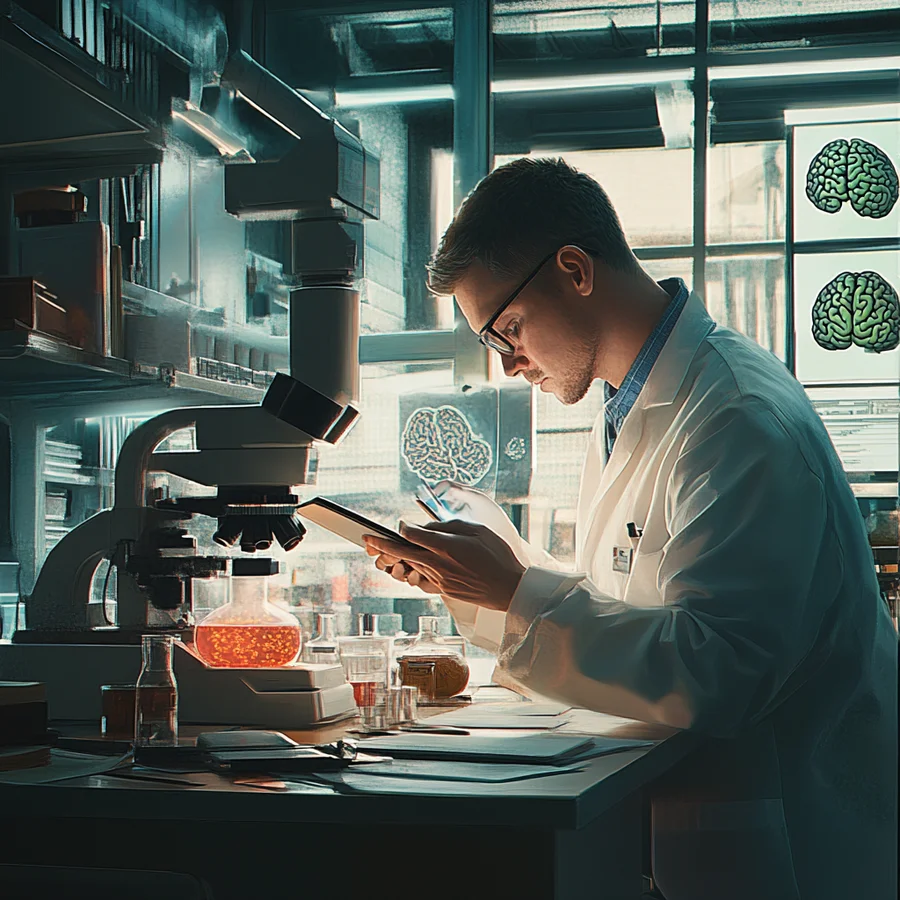
The Risks of Psilocybin for Bipolar I
While psilocybin holds great potential, it’s crucial to approach its use with caution, especially for individuals with Bipolar I Disorder. One of the primary concerns is the possibility of triggering a manic or psychotic episode. Manic episodes, characterized by extreme energy, impulsivity, and, in severe cases, psychosis, can be dangerous and destabilizing for individuals with Bipolar I. There’s a risk that the intense emotional and cognitive effects of psilocybin could exacerbate these symptoms, particularly if taken in an uncontrolled environment or at a high dose.
In addition to the risk of mania, there are other potential side effects to consider. Psilocybin can induce anxiety, paranoia, and confusion, especially in individuals who are new to psychedelics or who take a higher dose than they’re accustomed to. For someone with Bipolar I, who may already struggle with emotional regulation, these side effects could be particularly destabilizing. This is why it’s so important to use psilocybin under medical supervision, ideally in a therapeutic setting where the individual can receive support and guidance throughout the experience.
Moreover, psilocybin is not a quick fix. While many people report feeling profound emotional insights and relief after a psilocybin experience, these effects are often temporary. For individuals with Bipolar I, it’s essential to have a solid support system in place after the experience to help integrate the insights gained during the trip. This might include therapy, journaling, or other mindfulness practices that can help solidify the emotional growth and healing that occurs during the psilocybin journey. Without this integration, there’s a risk that the emotional benefits of psilocybin will fade, leaving the individual feeling just as stuck as they were before.

The Future of Psilocybin for Bipolar I: Hope on the Horizon
As the research into psilocybin continues to expand, there’s growing hope that this ancient, natural compound could offer a new frontier in the treatment of Bipolar I Disorder. While much more research is needed to fully understand its effects, the early findings are promising. Psilocybin’s ability to modulate mood, enhance cognitive flexibility, and promote emotional insight could lead to a new era of treatment options for those with Bipolar I.
One of the most exciting aspects of psilocybin is its potential to help individuals break free from the emotional rigidity that often characterizes mood disorders. For individuals with Bipolar I, who may feel trapped in cycles of mania and depression, psilocybin could offer a way to achieve a greater sense of emotional balance and stability. By enhancing neuroplasticity and promoting new neural connections, psilocybin could help individuals develop more flexible and adaptive ways of thinking and feeling.
However, the future of psilocybin for Bipolar I is not without its challenges. The risk of triggering mania or psychosis remains a significant concern, and researchers are working to develop protocols that can minimize these risks while maximizing the therapeutic benefits of psilocybin. This might include lower doses, controlled environments, and close supervision by mental health professionals. As the field of psychedelic research continues to evolve, the hope is that psilocybin will one day become an accepted and accessible option for individuals with Bipolar I, offering a new path toward healing and emotional stability.
For now, psilocybin remains a powerful reminder that sometimes, the answers we seek come not from synthetic pharmaceuticals, but from nature itself.

Conclusion
In conclusion, psilocybin presents a unique and potentially transformative approach to addressing Bipolar I Disorder. Unlike traditional medications that primarily manage symptoms, psilocybin delves deeper—helping individuals confront the emotional roots of their condition and gain new insights into their mental well-being. For those with Bipolar I, who often feel disconnected due to the side effects of conventional treatments, psilocybin offers hope for a more vibrant, balanced life.
As research progresses, the vision is for psilocybin to become a widely accepted and accessible option for treating Bipolar I, providing pathways to balance, introspection, and healing. Until that day comes, psilocybin serves as a compelling reminder that solutions to mental health challenges may lie not in synthetic pills, but in the natural world around us.
If you’re ready to begin your journey with psilocybin, choosing a trusted and reputable source is key. At Magic Mush, we are committed to providing Canadians with top-quality psilocybin products, including dried magic mushrooms, microdose capsules, mushroom gummies, and magic mushroom chocolates. Explore our premium strains like Albino Melmac, Golden Teacher, and Albino Penis Envy, all crafted to deliver an extraordinary experience.
Don’t miss our Spooky Month Sale, offering 35% off sitewide and freebies on orders over $200! Whether you’re in Toronto or anywhere else in Canada, let Magic Mush be your partner in discovering the incredible benefits of psilocybin. Shop now at Magic Mushrooms Toronto and unlock the healing power of magic mushrooms today!