The pan hissed as the butter met the heat, and the mushrooms released their earthy, almost nutty perfume, filling the kitchen with a scent that felt like home. I leaned over the stove, watching the slices curl and shimmer, the edges caramelizing just so, the delicate steam rising in lazy swirls. The rhythm of cooking was comforting—the knife tapping against the cutting board, the gentle stir of mushrooms in the pan, the occasional sizzle as moisture met hot butter. It was a ritual I knew intimately, one that required attention but rewarded patience. Mushrooms had always been my favorite ingredient: versatile, humble, and yet capable of transforming a simple dish into something extraordinary. I had sautéed them in garlic butter, tossed them into risottos, folded them into omelets, and roasted them alongside vegetables for Sunday dinners. They were familiar, reliable, and utterly satisfying.
And yet, in the middle of one particularly lazy evening, while I was watching them brown and inhaling the familiar scent, a friend slid a small, unassuming brown mushroom across the table and said, “These aren’t for your stomach—they’re for your soul.” I laughed at first, half in disbelief, half in amusement. I had spent years cultivating a relationship with mushrooms that was purely culinary, never imagining that they could offer anything beyond flavor, texture, and nourishment for the body. The words lingered, though, like a spice I hadn’t tasted yet, intriguing and slightly unsettling. My curiosity, always simmering beneath the surface, nudged aside skepticism, and for the first time, I wondered if mushrooms might hold more than I had ever imagined. Could they feed something beyond hunger?
Before that evening, my world of mushrooms was tactile and immediate: I knew how they felt between my fingers, how they smelled when fresh, and how they transformed under heat. Cooking was sensory—about touch, smell, taste, and visual satisfaction—and it was in that realm that I had always confined mushrooms. Psychedelic varieties were myths in my mind, distant and almost absurd, whispered in books I hadn’t read or stories I dismissed. Yet, that small introduction sparked something inside me—a question I hadn’t asked before: what if food could nourish more than the body? What if, in the same way that a perfectly cooked meal could comfort and delight, mushrooms could awaken and expand consciousness?
From that moment, my relationship with mushrooms began to evolve. I started to explore not just their flavor and texture but their potential to teach, to shift perception, and to cultivate awareness. I read, I asked questions, and I observed how those who had experienced psilocybin spoke about presence, reflection, and connection. The more I learned, the more I realized that mushrooms could be metaphors for attention, care, and patience—qualities I had always applied in the kitchen but rarely extended to the inner landscape of consciousness. What began as a casual culinary ritual became a doorway, leading me toward a deeper understanding of how nourishment could exist on multiple levels, and how something as ordinary as a mushroom could carry lessons far beyond the dinner plate.
I began to notice myself reflecting on meals in ways I never had before. When I sautéed dried magic mushrooms, I paid closer attention to the textures, colors, and aromas, not just for flavor but for the meditative quality of the process. Each stir of the pan became a moment of focus, each smell a reminder of the complexity and beauty in the simplest ingredients. Cooking became a practice, not just a task, and I realized that the patience I cultivated over a simmering dish could also apply to noticing my own thoughts, emotions, and patterns.
Even the way I shared meals with friends shifted. Conversations became more present, laughter lingered longer, and I found myself savoring not just the food but the connection it fostered. I was starting to understand what my friend had hinted at with that simple sentence: some mushrooms feed the soul in ways that flavor alone cannot. That evening planted a seed of curiosity, one that would grow into a journey of exploration, discovery, and ultimately, transformation—one dish, one mind, one experience at a time.
🍄 Learn how to brew the perfect shroom tea with our easy step-by-step guide

Let Me Take You Back to How Mushrooms Were Just Part of Everyday Life in My Kitchen Before This All Happened
Cooking had always been more than a task or hobby; it was identity, comfort, and creativity woven together. My earliest memories of mushrooms weren’t in restaurants or from cookbooks—they were in the kitchen of my childhood, learning to sauté them with my grandmother’s butter, learning patience as she explained how mushrooms absorb flavor. I remembered the deep, satisfying smell that spread across the kitchen, the way the color of the mushrooms shifted as they cooked, and the simple joy of plating a dish that looked as good as it tasted. Mushrooms were a staple, a constant presence in my cooking rituals, and one of the few ingredients that felt like both luxury and sustenance.
As I grew older, mushrooms became an anchor in my cooking, representing comfort, experimentation, and a connection to the past. Risottos, omelets, stir-fries, and sauces—all were enriched by their earthy tones. And yet, in all those years, I never imagined there was another dimension to mushrooms, a world beyond flavor. Psychedelic varieties were not on my radar; they were distant myths, whispered in books I hadn’t read or in stories I didn’t take seriously. Cooking was literal, functional, and grounded in sensory satisfaction. Until one evening, it wasn’t. Until that small brown mushroom—placed in front of me with a knowing smile—shifted everything.
How I First Heard About Mushrooms That Could Feed the Mind and Not Just the Body
At first, I didn’t know what to make of it. Psychedelic mushrooms were an abstract concept, a category outside my lived culinary experience. Curiosity and skepticism warred inside me. Were these mushrooms dangerous? Were they just a novelty? Or perhaps—less likely, at first glance—were they something that could genuinely expand awareness? My interest was partly culinary, partly intellectual. I wanted to know what made them different, what about them triggered shifts in perception, and how someone could prepare them responsibly. Slowly, reading articles, talking to friends, and exploring accounts in books like How to Change Your Mind by Michael Pollan, I began to see mushrooms not just as food for the body but as a tool for exploration, self-reflection, and consciousness.
What struck me most was the continuity between the culinary and the psychedelic experience. There was patience, intention, and attention to detail in both. Just as you carefully slice mushrooms to sauté evenly, there was a careful approach to dosing, preparing, and consuming psilocybin. It was a kind of cooking for the mind, a recipe that required respect, mindfulness, and trust. This conceptual bridge—between feeding the body and nourishing the mind—started to reframe my understanding of food entirely. I was intrigued, cautious, but increasingly willing to explore.
Check out this magic mushroom!!

A.P.E Psilocybin Chocolate Bar
$60.00Dried Penis Envy Magic Mushrooms
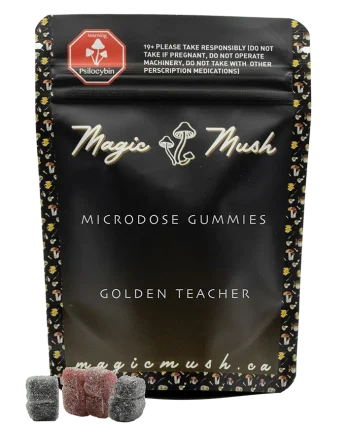
Price range: $60.00 through $240.00Golden Teacher Gummies for Microdosing
$25.00


The First Time I Prepared and Consumed Psilocybin Mushrooms and What It Taught Me About Patience and Presence
When I finally prepared psilocybin mushrooms for my first conscious experience, I noticed immediate parallels with my culinary practice. Measuring doses, grinding or chopping carefully, and even steeping them into a psilocybin tea mirrored the methodical attention I gave to sautéing fresh mushrooms. There was a rhythm to it: a balance between patience and precision, a respect for the ingredient, and an anticipation of the transformation it could induce. Once consumed, the familiar sensory engagement of cooking shifted inward. Flavors and textures of food that had once been routine became more vivid, and the world around me seemed layered with colors, sounds, and connections I had never fully noticed.
During that first journey, I realized that the hunger I felt was not physical but cognitive and emotional. These mushrooms, unlike dinner mushrooms, nourished curiosity, presence, and introspection. I experienced an expanded awareness of the textures of thought, the patterns of emotion, and the interplay of memory and sensation. Like cooking, it required attention and patience. One wrong move, like rushing the experience or disregarding set and setting, could disturb the flow, just as overcooking mushrooms can ruin a meal. In this sense, the preparation and intention mirrored my culinary discipline, yet the nourishment was for consciousness, not the stomach.
🍄 Want to know more about mushroom recipes? Learn how to make psilocybin hot chocolate for a tasty and gentle way to enjoy your trip

How My Psychedelic Experiences Started to Change the Way I Cooked, Ate, and Thought About Food
Over time, the lessons from psychedelic mushrooms bled into my approach to everyday cooking and eating. Meals became opportunities for mindfulness: chopping vegetables became a meditation, the sizzle of mushrooms in butter became a sensory anchor, and tasting food evolved into a moment of gratitude and presence. I began experimenting with small, intentional dishes, pairing flavors and textures in ways that encouraged reflection and attention rather than just consumption. Cooking became more than sustenance; it was a ritual that mirrored the attentiveness I cultivated in psychedelic practice.
I also began to see food as a bridge between body and mind. Just as psilocybin mushrooms nourished awareness, thoughtfully prepared meals supported the emotional and cognitive states I wanted to foster. The interplay between taste, texture, and the environment created a feedback loop: mindful cooking led to mindful eating, which reinforced a more grounded, present awareness throughout the day. The metaphor of “feeding the mind” became literal in practice—meals were not just fuel; they were a conduit for reflection, creativity, and connection.
How My Kitchen Became a Place to Feed Both the Body and the Mind, and Why You Might Want to Try It Too
Today, my kitchen serves a dual purpose. It is still a place where I sauté, roast, and simmer ingredients for delicious meals. But it is also a space where I cultivate presence, practice patience, and explore consciousness. When I chop mushrooms now—whether culinary or psilocybin—I approach the task with respect, awareness, and a sense of ritual. Each slice, each stir, each simmer is a reminder that nourishment extends beyond calories and macronutrients; it includes thoughtfulness, intention, and sensory awareness.
The lessons I’ve learned extend to every meal. Sitting down to eat is no longer a rushed task but a chance to integrate awareness, savor textures, and reflect on the day. Preparing food has become a practice of mindfulness, blending the precision and patience of cooking with the lessons of psychedelic experience. In this way, my kitchen is a gateway: it connects the ordinary act of preparing dinner with the extraordinary act of cultivating consciousness, demonstrating that nourishment is holistic, encompassing body, mind, and awareness.
🍄 Find out whether eating before taking shrooms can make your trip smoother and more enjoyable

Ready to Explore How Mushrooms Can Feed Both Your Body and Your Mind? Let Magic Mush Canada Be Your Guide
Looking back on my journey, it’s clear that mushrooms taught me far more than I ever expected from a simple dinner ingredient. What began as a culinary love—sautéing, roasting, and experimenting with flavor—evolved into an exploration of consciousness. Through psilocybin, I discovered that mushrooms could feed something deeper: attention, awareness, and presence. The patience, care, and intention I applied in cooking seamlessly translated into preparing for a psychedelic experience, teaching me how to slow down, savor moments, and approach both meals and consciousness with respect. Cooking became more than sustenance—it became a ritual that nourishes body and mind together.
The lessons extended into my everyday life. Mindful cooking and thoughtful eating became practices that reinforced presence, reflection, and creativity. Preparing a meal is no longer just a task; it’s a meditation, an opportunity to connect with sensations, flavors, and even the lessons of awareness I gained from psychedelics. Mushrooms, whether on my plate or steeped into tea for consciousness exploration, became symbols of the bridge between tangible nourishment and the subtler, transformative nourishment of mind and spirit.
This is where Magic Mush Canada comes in. If you’re curious about exploring the world of magic mushrooms—whether for microdosing, mindful experiences, or just learning more—these folks are like your trusted buddy who’s got all the insights and guidance you need. They make it approachable and safe, helping you pick the right strains, understand proper preparation, and integrate your experiences without feeling overwhelmed or lost.
At Magic Mush Canada, it’s not about corporate speak or making things complicated. They speak like someone who genuinely understands the journey, someone who’s tried it, respected it, and wants you to have a positive, meaningful experience too. Their team provides education, support, and high-quality mushrooms so you can explore with confidence, whether it’s your first time or you’re deepening your practice.
So if you’re ready to take your love of mushrooms from the kitchen to a journey of awareness and presence, I’d personally recommend checking out Magic Mush Canada. They make experimenting safe, informative, and actually enjoyable, with seamless online shopping, privacy, and friendly support. Dive in, stay curious, and see how mushrooms can nourish your body and expand your mind—just like they did for me.