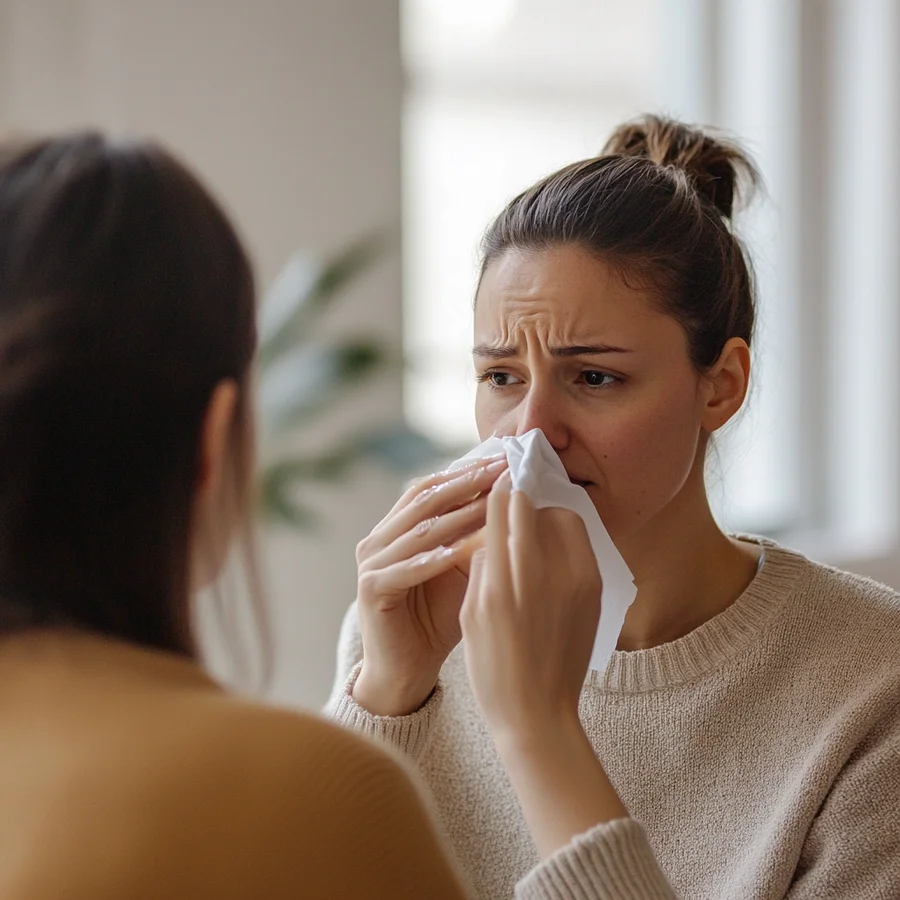
Women today face unprecedented levels of stress, juggling demanding careers, family responsibilities, and societal expectations. The pressure to be everything to everyone—whether it’s excelling in a professional role, maintaining relationships, or handling personal growth—often leads to chronic stress and burnout. This overwhelming burden is not just a mental or emotional challenge but also manifests physically, with symptoms like fatigue, insomnia, headaches, and even long-term health problems like heart disease.
Traditional stress-management strategies, while helpful, often fall short for many women. Medications such as antidepressants or anxiety drugs may offer temporary relief, but they can come with side effects that exacerbate stress or burnout in the long term. Psychotherapy provides valuable insight but often requires a significant emotional and financial investment. As a result, women are searching for more natural, holistic solutions to regain control of their mental and emotional health.
One such solution gaining popularity is microdosing psilocybin, the active compound found in magic mushrooms. Unlike traditional forms of stress relief, microdosing offers subtle yet profound benefits. By taking sub-perceptual doses of psilocybin, women can experience improvements in mood, energy, and emotional resilience without undergoing a full psychedelic experience. This guide delves into how microdosing psilocybin could serve as a transformative tool for women dealing with stress and burnout, offering a natural, effective, and empowering alternative.
Microdosing Psilocybin: An Ancient Remedy Reimagined
Historical Use of Psilocybin
Psilocybin’s use as a natural remedy dates back thousands of years, with indigenous cultures across Central and South America harnessing its power for spiritual and healing purposes. Ancient shamans and healers considered magic mushrooms sacred and employed them in rituals aimed at connecting with the divine, promoting emotional healing, and facilitating visions that provided insight into life’s challenges. These rituals were designed to restore balance to both the mind and body, addressing not only physical ailments but also emotional and psychological ones.
For these communities, psilocybin was more than just a means of inducing altered states of consciousness—it was a tool for personal and communal well-being. People used it to reduce anxiety, elevate mood, and navigate periods of significant change or hardship. In essence, psilocybin was a form of medicine that promoted mental and emotional clarity.
The Modern Wellness Movement
Fast forward to the 21st century, and psilocybin has seen a remarkable resurgence in popularity—this time, in the context of modern wellness. As people increasingly seek out alternative therapies for mental health, psilocybin is gaining recognition not only for its traditional hallucinogenic effects but also for its subtler benefits when taken in microdoses.
Microdosing offers a contemporary reimagining of this ancient practice. Unlike the high doses used in traditional ceremonies, microdoses are small enough not to induce intense hallucinations or overwhelming sensory experiences. Instead, the modern application focuses on using psilocybin as a tool for mental clarity, emotional balance, and stress relief—attributes that resonate deeply with today’s wellness seekers. For women, in particular, microdosing has become a symbol of empowerment, offering a natural and accessible means to reclaim mental health and well-being.

The Science of Serenity: How Psilocybin Works
Serotonin and the Brain’s Stress Response
To understand how psilocybin alleviates stress and burnout, it’s crucial to explore its impact on brain chemistry—specifically, its interaction with serotonin receptors. Serotonin is a neurotransmitter known for regulating mood, cognition, and emotional states. Low levels of serotonin are closely linked to feelings of anxiety, depression, and chronic stress. Psilocybin binds to the 5-HT2A serotonin receptor, promoting feelings of well-being, enhancing mood, and creating a sense of emotional stability.
When a woman is under chronic stress, her brain’s ability to maintain a balanced emotional state becomes compromised. Over time, stress can reduce the brain’s capacity to produce and manage serotonin, leading to feelings of anxiety, hopelessness, and fatigue. Psilocybin, even in small doses, helps boost serotonin levels, providing the brain with the support it needs to recover from prolonged stress. I’ve also seen this conversation expand into areas like shrooms for PTSD, where trauma survivors are turning to psilocybin as a means of finding emotional release and relief when traditional therapies haven’t worked. The overlap between chronic stress and unresolved trauma makes psilocybin a promising ally for healing on multiple levels.
Enhancing Neuroplasticity
Another key benefit of psilocybin is its ability to promote neuroplasticity—the brain’s capacity to reorganize itself and form new neural connections. Chronic stress often leads to rigid patterns of thinking and behavior, reinforcing negative thought cycles and making it difficult to break out of burnout. Psilocybin’s effect on neuroplasticity helps disrupt these harmful patterns, allowing women to adopt new, healthier ways of thinking and problem-solving.
Research suggests that psilocybin enhances connectivity between different regions of the brain, facilitating more fluid, creative thinking. For a woman experiencing burnout, this increased cognitive flexibility can lead to breakthroughs in how she handles stressors, enabling her to cope more effectively with challenges both big and small. Psilocybin essentially opens up new pathways for emotional resilience, helping women rediscover their inner strength.
Check out this magic mushroom!!

A.P.E Psilocybin Chocolate Bar
$60.00Dried Penis Envy Magic Mushrooms
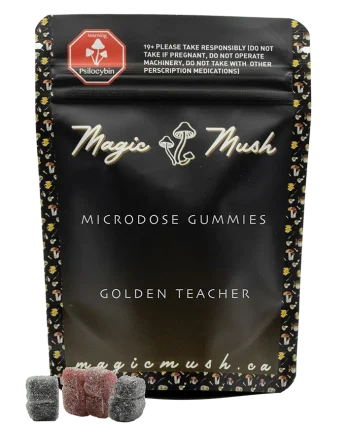
Price range: $60.00 through $240.00Golden Teacher Gummies for Microdosing
$25.00


Supporting Emotional Balance
One of the reasons why women are turning to microdosing psilocybin is its gentle, gradual effect on emotional health. Unlike larger psychedelic doses, which can produce dramatic shifts in perception and mood, microdosing offers a more subtle but cumulative impact. Over time, women who microdose report feeling less reactive to stress, more centered in their emotions, and better able to maintain a balanced perspective even in difficult situations.
This ability to maintain emotional balance is particularly important for women, who often find themselves managing the emotional well-being of others in addition to their own. Whether it’s caretaking for children or providing emotional support for partners or colleagues, women are frequently expected to be the emotional anchors in their personal and professional lives. Microdosing psilocybin can help women stay grounded in these roles, fostering an inner calm that makes it easier to navigate stressful situations with grace and composure.
Women’s Unique Journey with Microdosing
Gender-Specific Stressors
Women experience stress in ways that are often distinct from men due to a combination of societal pressures, biological factors, and life circumstances. Women are more likely to experience stress related to balancing work and family life, societal expectations around appearance and behavior, and caregiving responsibilities. These stressors contribute to what is sometimes called “invisible labor”—the emotional and mental energy required to manage both personal and professional responsibilities simultaneously.
In addition to societal stress, women also face biological stressors that can affect their mental health. Hormonal fluctuations related to menstruation, pregnancy, postpartum recovery, and menopause can all contribute to increased stress levels, making it more difficult to maintain emotional stability. These unique stressors make women particularly vulnerable to burnout, which is why many are turning to alternative therapies like microdosing for relief.

Personal Transformations Through Microdosing
While clinical studies on microdosing are still in their early stages, anecdotal evidence from women who microdose is overwhelmingly positive. Many report that microdosing has helped them regain a sense of control over their mental health, allowing them to navigate stress with greater resilience and clarity.
For example, a woman who feels overwhelmed by the constant demands of motherhood might find that microdosing helps her maintain a sense of patience and perspective. Another woman dealing with the pressure to succeed in a male-dominated workplace might find that microdosing enhances her creativity and problem-solving skills, allowing her to perform more effectively without succumbing to stress. These personal stories underscore the potential of microdosing to empower women in their unique journeys through stress and burnout.
Mood Enhancement and Emotional Resilience
One of the most compelling reasons for women to consider microdosing psilocybin is its ability to enhance mood and build emotional resilience. Emotional resilience is the capacity to recover quickly from stress and adversity, and it’s a key factor in preventing burnout. For women who often bear the brunt of emotional labor in both their personal and professional lives, developing emotional resilience is essential to maintaining mental health and well-being.
Microdosing psilocybin helps women cultivate this resilience by promoting a more positive outlook, reducing emotional reactivity, and fostering a greater sense of inner calm. Over time, these subtle shifts in mood and perspective can lead to significant improvements in how women handle stress, helping them maintain their emotional well-being even in challenging circumstances.
Crafting Your Own Microdosing Experience
Getting Started: Dosage and Frequency
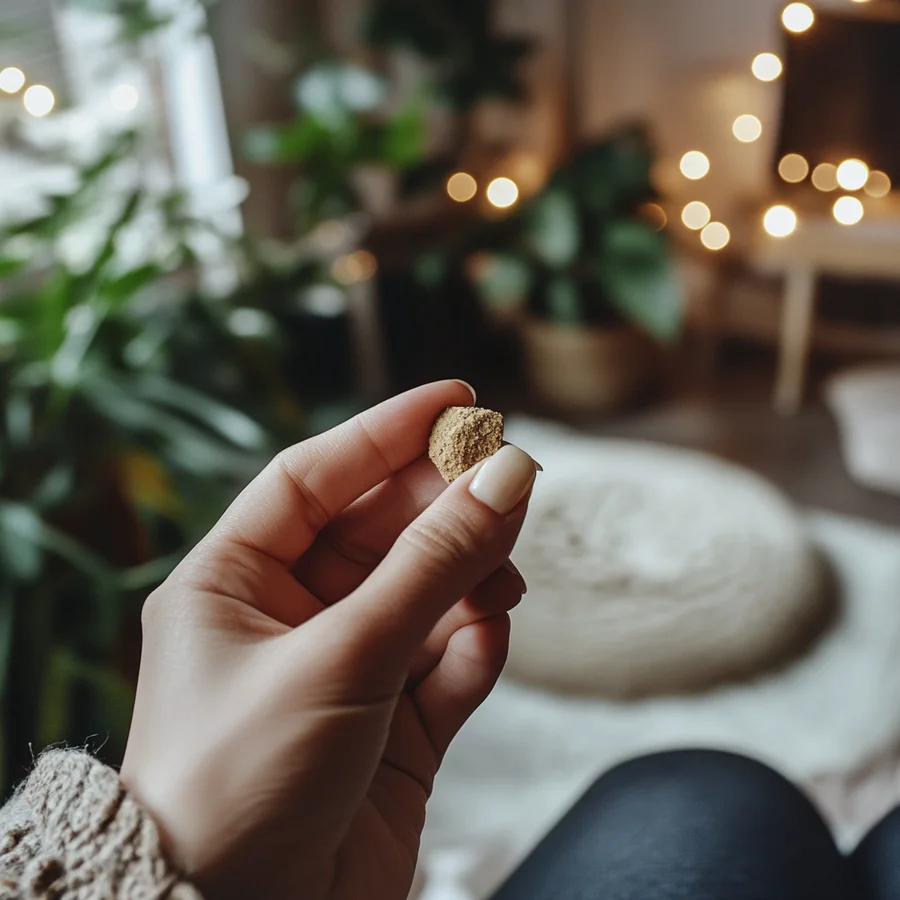
For women interested in microdosing psilocybin, one of the most important considerations is dosage. Unlike traditional psychedelic experiences, microdosing involves taking sub-perceptual doses—amounts small enough that you won’t experience hallucinations but large enough to have therapeutic effects. The typical microdose ranges from 0.1 to 0.3 grams of dried psilocybin mushrooms. For most women, starting at the lower end of this range (around 0.1 grams) is recommended, as it allows the body to adjust gradually.
Frequency is another key factor in crafting a successful microdosing regimen. Most women who microdose follow a schedule of dosing every third day or once every four days. This helps prevent the body from developing a tolerance to psilocybin while allowing time to assess how each dose affects mood, energy levels, and stress response. Keeping a journal to track these effects is highly recommended, as it provides valuable insight into how microdosing is impacting your overall well-being.
Managing Expectations and Potential Side Effects
While microdosing is generally considered safe, it’s important to approach the practice with realistic expectations. Microdosing is not a “quick fix” for stress or burnout, and its effects are subtle and cumulative over time. Some women may experience immediate benefits, such as improved mood or enhanced focus, while others may need several weeks of consistent
microdosing to notice significant changes.
Potential side effects of microdosing are typically mild but may include slight nausea, headaches, or changes in sleep patterns. These side effects are generally short-lived and can often be mitigated by adjusting dosage or frequency. If side effects persist or become bothersome, it’s advisable to consult a healthcare professional familiar with psychedelic therapy.
Microdosing for Long-Term Well-Being
For many women, microdosing becomes a valuable tool for long-term well-being. While some choose to microdose consistently over several months, others may use it as a temporary solution during particularly stressful periods. Either approach can be effective, depending on individual needs and goals. What’s important is to remain mindful of how microdosing is affecting your mental, emotional, and physical health, and to make adjustments as needed to support long-term well-being.

Microdosing in the Context of Holistic Wellness
Integrating Microdosing with Other Wellness Practices
Microdosing psilocybin can be a powerful addition to a holistic wellness routine, complementing other stress-management practices such as meditation, yoga, and mindful breathing. When combined, these practices can create a synergy that enhances overall mental and emotional health, providing women with multiple tools to manage stress effectively.
Meditation, for example, helps cultivate mindfulness and presence, while psilocybin enhances these effects by promoting mental clarity and emotional calm. Similarly, yoga’s emphasis on connecting the mind and body can be deepened through microdosing, making it easier to move through poses with intention and awareness.
Natural Stress Management Techniques
In addition to psilocybin, there are other natural techniques that can be integrated into a stress management routine. Mindful breathing exercises, herbal remedies like ashwagandha or chamomile, and regular physical activity all work together to promote a balanced and resilient emotional state. By combining these methods with microdosing, women can take a proactive approach to managing stress in a holistic and sustainable way.
The Horizon of Psychedelic Research
Current Studies and Future Possibilities
As interest in psychedelic therapies grows, so does the body of research exploring their potential benefits. Current studies on psilocybin are focused on understanding how it affects mood, cognition, and emotional resilience, with early results suggesting that microdosing could offer significant benefits for managing stress, anxiety, and burnout.
Looking ahead, researchers are particularly interested in how microdosing might be integrated into therapeutic settings to provide women with safe and effective tools for mental health management. Studies on psilocybin’s impact on neuroplasticity and serotonin receptors could offer valuable insights into how microdosing helps women recover from chronic stress and burnout.
Conclusion
For women facing the pressures of modern life, microdosing psilocybin offers a promising path toward healing and emotional resilience. By promoting mental clarity, enhancing mood, and supporting emotional balance, microdosing has the potential to transform how women manage stress and prevent burnout. As more women explore this natural remedy, they are discovering its ability to empower them in reclaiming their mental and emotional well-being.
Whether used as a long-term solution or a short-term aid during periods of heightened stress, microdosing offers a new paradigm of healing—one that emphasizes self-awareness, natural remedies, and holistic well-being. By integrating microdosing into their wellness routines, women can take control of their mental health and thrive in the face of life’s challenges.