Parkinson’s Disease (PD) is a complex neurodegenerative disorder that impacts more than 10 million people worldwide. The hallmark symptoms, such as tremors, muscle stiffness, and slow movement, are only part of the picture. Parkinson’s also brings along a host of non-motor symptoms that can be equally debilitating, including depression, anxiety, cognitive decline, and sleep disturbances. Over time, these symptoms worsen, making everyday tasks difficult, reducing quality of life, and putting immense emotional strain on both patients and caregivers.
Despite decades of research and the development of various treatments, no cure for Parkinson’s exists. Current therapies, such as Levodopa, primarily focus on managing motor symptoms, and while they provide significant relief early on, their effectiveness often diminishes with time. Moreover, they do little to address the non-motor symptoms that deeply affect patients’ mental and emotional health. This leaves a significant treatment gap, particularly for the psychological and emotional burden Parkinson’s places on its sufferers.
Amid this landscape of limited options, a surprising candidate has emerged: magic mushrooms. Psilocybin, the active compound in these mushrooms, has recently gained attention for its potential to treat mental health conditions like depression, PTSD, and anxiety. But beyond mood disorders, there is growing interest in its potential to help with neurological conditions, including Parkinson’s. The compound’s ability to promote neuroplasticity and improve brain function could represent a groundbreaking shift in how we approach Parkinson’s treatment.
This article delves into the possibilities of using psilocybin for Parkinson’s, exploring the science, the current research, and the promise it holds for the future of the disease’s treatment.

The Battle with Parkinson’s Disease: Can Magic Mushrooms Offer a Revolutionary Breakthrough?
Parkinson’s affects 10 million people worldwide. But so many myths surround it. Let’s separate fact from fiction
Parkinson’s Disease is not just a disease of the elderly; it can strike at any age, with early-onset cases affecting individuals in their 30s or 40s. The disorder is primarily associated with motor dysfunction, including tremors, muscle stiffness, bradykinesia (slowness of movement), and postural instability. However, Parkinson’s also severely impacts mood and cognition. As the disease progresses, patients often experience depression, anxiety, memory problems, and even hallucinations. These non-motor symptoms are frequently overlooked but can be some of the most challenging aspects of the condition for patients and their families.
At the root of Parkinson’s disease is a critical deficit in dopamine, a neurotransmitter responsible for regulating movement and emotional responses. In Parkinson’s, the neurons that produce dopamine in the brain’s substantia nigra begin to die off. The resulting shortage of dopamine wreaks havoc on both motor functions and mood regulation. While Levodopa, a dopamine precursor, is effective in replenishing dopamine levels and mitigating motor symptoms, it does little for the non-motor issues and often becomes less effective as the disease advances.
Check out this magic mushroom!!

A.P.E Psilocybin Chocolate Bar
$60.00Dried Penis Envy Magic Mushrooms
Price range: $60.00 through $240.00Golden Teacher Gummies for Microdosing
$25.00



Current Treatment Landscape: Levodopa and Other Therapies
Levodopa remains the most commonly prescribed medication for Parkinson’s, but its long-term use comes with significant drawbacks. Over time, patients develop what is known as “motor fluctuations,” where the drug’s effectiveness wanes, leading to periods of improved movement (“on” time) and periods where symptoms return with full force (“off” time). Additionally, Levodopa can cause dyskinesia—uncontrollable, involuntary movements that are sometimes more distressing than the symptoms it aims to treat.
Other treatment options include dopamine agonists, which mimic dopamine’s effects in the brain, and deep brain stimulation (DBS), a surgical procedure where electrodes are implanted into specific areas of the brain to regulate abnormal impulses. While these treatments offer alternatives or adjuncts to Levodopa, they each come with their own limitations. Dopamine agonists, for instance, can lead to side effects like compulsive behaviors, including gambling or hypersexuality, while DBS carries the inherent risks of surgery and is not suitable for all patients.
Despite these options, there remains a substantial unmet need in Parkinson’s treatment, particularly when it comes to managing non-motor symptoms and slowing disease progression. Could magic mushrooms, with their unique interaction with the brain, offer a new avenue of hope?

Magic mushrooms could change Parkinson’s treatment forever. Yes, you read that right! Here’s the groundbreaking research
Historical Perspective: From Shamanism to Science
Magic mushrooms, also known as psychedelic mushrooms, have a long and storied history. Indigenous cultures around the world have used them in shamanistic rituals for thousands of years, valuing them for their ability to induce altered states of consciousness and facilitate spiritual healing. Ancient cultures in Mesoamerica, for example, revered psilocybin mushrooms as sacred tools for connecting with the divine. Their use continued in various religious and spiritual contexts until the arrival of Western medicine, which dismissed these substances as mere hallucinogens.
It wasn’t until the mid-20th century that Western science began to take an interest in psilocybin. Researchers like Albert Hofmann, the Swiss chemist who famously synthesized LSD, and R. Gordon Wasson, an American ethnomycologist, brought psilocybin into the scientific realm. The 1960s saw a surge in psychedelic research, with studies exploring the therapeutic potential of psilocybin for mental health conditions like anxiety and depression. However, the cultural and political backlash against psychedelics in the 1970s led to their criminalization and a halt in research.
Fast forward to the 21st century, and we are witnessing a psychedelic renaissance. Recent studies have reignited interest in psilocybin’s therapeutic potential, particularly for treating conditions like depression, PTSD, and anxiety. Now, researchers are beginning to explore whether psilocybin could offer benefits for neurodegenerative disorders like Parkinson’s disease, potentially transforming how we treat both the physical and emotional symptoms of this condition.

Psilocybin 101: The Active Compound and Its Attraction
Psilocybin is the primary psychoactive compound found in certain species of mushrooms, often referred to as “magic mushrooms.” When ingested, psilocybin is converted into psilocin in the body, which then interacts with serotonin receptors in the brain. This interaction leads to altered perception, mood changes, and heightened cognitive flexibility, among other effects. While its most famous use is for inducing psychedelic experiences, recent research has focused on its potential therapeutic benefits.
Psilocybin’s ability to affect serotonin receptors, particularly the 5-HT2A receptor, is of particular interest to scientists. Serotonin is a neurotransmitter that plays a key role in regulating mood, anxiety, and even motor functions. By interacting with this system, psilocybin can promote a state of increased neuroplasticity, allowing the brain to form new connections and potentially heal itself from various mental and neurological conditions.
Recent studies suggest that psilocybin could be effective in treating a wide range of conditions, from treatment-resistant depression to PTSD and anxiety disorders. Its potential to foster emotional healing and improve mental flexibility makes it an attractive candidate for further research, particularly in neurodegenerative diseases like Parkinson’s.

Psilocybin’s Brain Odyssey: How Magic Mushrooms Unlock Healing in Parkinson’s Disease
Mechanisms of Action: How Psilocybin Works in the Brain
Psilocybin’s primary action in the brain is through its interaction with the serotonin system, specifically the 5-HT2A receptors. By stimulating these receptors, psilocybin induces changes in brain activity, leading to altered perception, mood changes, and enhanced cognitive flexibility. But beyond these immediate effects, psilocybin also appears to promote neuroplasticity—the brain’s ability to reorganize itself by forming new neural connections.
Neuroplasticity is a critical process for brain health, particularly in neurodegenerative diseases like Parkinson’s. As neurons die and dopamine levels decrease, the brain’s ability to function optimally becomes compromised. Psilocybin’s promotion of neuroplasticity could potentially help the brain compensate for the loss of dopamine-producing neurons, fostering new pathways and connections that support both motor and cognitive functions.
Additionally, psilocybin’s interaction with the brain’s default mode network (DMN)—a network of brain regions that is active during rest and self-referential thinking—may also play a role in its therapeutic potential. In conditions like depression, anxiety, and even Parkinson’s, the DMN can become overactive, leading to rumination, negative thought patterns, and cognitive rigidity. Psilocybin temporarily disrupts this overactivity, allowing for a reset that can lead to improved mental flexibility and emotional well-being.
Potential Effects on Parkinson’s: Dopamine, Mood, and Motor Symptoms
While psilocybin’s primary interaction is with the serotonin system, there is growing interest in its potential to influence dopamine pathways. Since Parkinson’s is characterized by a loss of dopamine-producing neurons, any compound that can affect dopamine levels is of interest. While direct evidence is still limited, early research suggests that psilocybin may have a modulating effect on dopamine, potentially offering new avenues for managing both the motor and non-motor symptoms of Parkinson’s.
In addition to its potential effects on dopamine, psilocybin’s ability to improve mood and emotional resilience could be particularly beneficial for Parkinson’s patients. Depression and anxiety are common non-motor symptoms of the disease, and traditional antidepressants are often ineffective or poorly tolerated in this population. Psilocybin, with its rapid and sustained antidepressant effects, could offer a new solution for these patients, improving not only their mood but also their overall quality of life.
Finally, psilocybin’s impact on neuroplasticity could have implications for motor symptoms as well. While it is unlikely to fully restore lost motor function, the promotion of new neural connections could help Parkinson’s patients regain some level of motor control, potentially improving their ability to perform daily activities.

Current Research: The Science of Psilocybin and Parkinson’s Disease
Promising Clinical Trials and Preliminary Findings
As interest in the therapeutic potential of psilocybin continues to grow, several clinical trials are underway to explore its effects on various conditions, including Parkinson’s Disease. One of the most notable studies, conducted by researchers at the University of California, San Francisco, aims to examine the effects of psilocybin on patients with PD experiencing depression and anxiety. This trial not only looks at the psychological impact but also investigates potential benefits on motor function and overall quality of life.
Early results from this research are promising. In initial phases, participants reported significant reductions in depressive symptoms, improved mood, and enhanced overall well-being following psilocybin sessions. These findings align with previous studies indicating that psilocybin can lead to substantial improvements in mental health conditions, often with long-lasting effects after just one or two treatments. The subjective experiences reported by participants suggest a deep sense of connection, meaning, and emotional release during psilocybin sessions, which may contribute to improved mental health outcomes.
Additionally, studies exploring the neurobiological mechanisms of psilocybin have indicated that it promotes neurogenesis and synaptogenesis—the processes by which new neurons and synaptic connections are formed. This could be particularly beneficial in a neurodegenerative context, where maintaining brain health and function is crucial.
Challenges and Considerations in Research
While the research into psilocybin’s potential for treating Parkinson’s is exciting, it is not without challenges. Regulatory hurdles still exist, as psilocybin is classified as a Schedule I substance in many jurisdictions, making it difficult to conduct extensive research. Additionally, the complexity of Parkinson’s disease itself, with its diverse range of symptoms and individual variations, poses challenges for researchers trying to establish clear outcomes.
Another important consideration is the psychological safety of administering psilocybin to patients with Parkinson’s. While many participants in clinical trials report positive experiences, there is a potential for adverse reactions, particularly in individuals with a history of mental health issues. Proper screening and preparation are essential to ensure patient safety and optimize therapeutic outcomes.
Moreover, the effects of psilocybin can be unpredictable, leading to intense and challenging experiences known as “bad trips.” Researchers are actively exploring methods to mitigate these risks, including providing comprehensive psychological support during and after sessions. Training facilitators to guide patients through their experiences is crucial in this regard, ensuring that participants feel safe and supported.
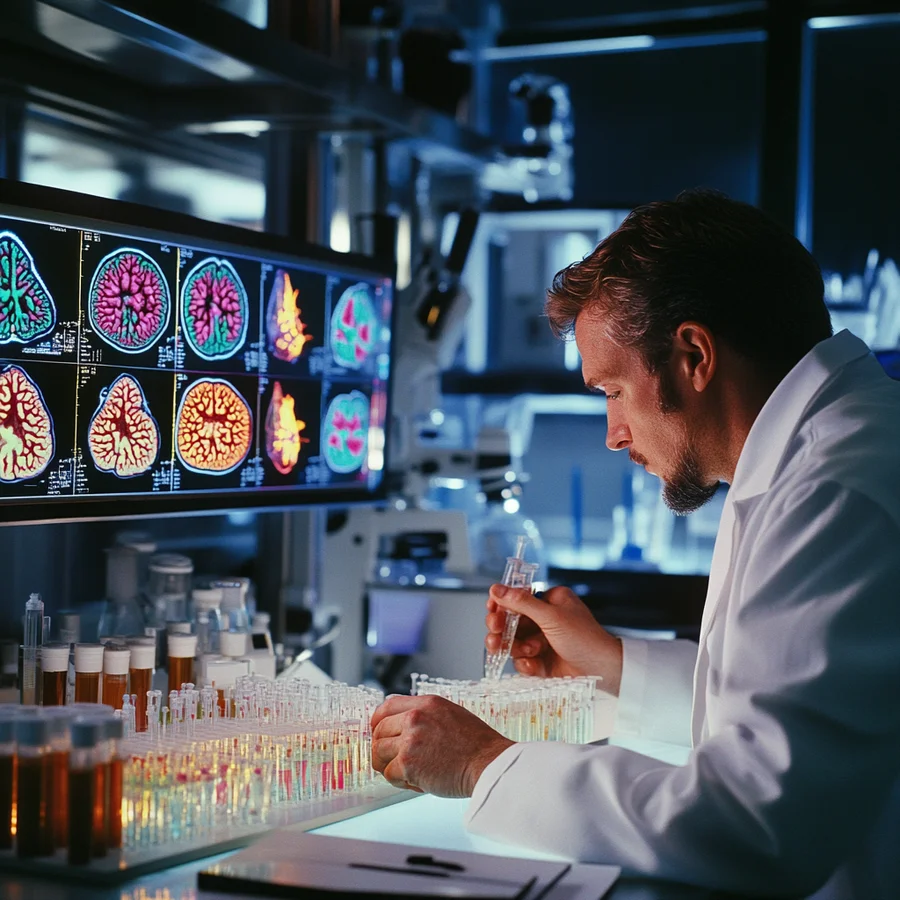
Hopes and Realities… The Future of Psilocybin in Parkinson’s Disease Treatment
Advancements on the Horizon: Potential Studies and Developments
As research into the therapeutic potential of psilocybin continues to evolve, the future looks promising. Many scientists and clinicians advocate for the inclusion of psilocybin in broader treatment frameworks for Parkinson’s Disease, emphasizing its unique ability to address both motor and non-motor symptoms. Ongoing studies aim to clarify optimal dosing regimens, treatment protocols, and the mechanisms behind its effects.
In particular, researchers are exploring the possibility of integrating psilocybin with traditional Parkinson’s treatments. For instance, combining psilocybin therapy with conventional medications might enhance overall treatment efficacy while minimizing side effects. This integrated approach could offer a holistic strategy for managing Parkinson’s symptoms, addressing the mind-body connection essential for healing.
The Need for Comprehensive Treatment Approaches
While psilocybin shows great promise, it is essential to approach its integration into Parkinson’s treatment with caution and thorough understanding. Patients with Parkinson’s often require a multifaceted approach that includes pharmacological interventions, physical therapy, psychological support, and lifestyle modifications. Psilocybin could be one component of a broader treatment strategy, providing relief and enhancing quality of life.
Additionally, as more research emerges, it will be crucial to develop clear guidelines for the safe and effective use of psilocybin in clinical settings. Educating healthcare providers about psilocybin and its potential benefits, along with establishing protocols for patient screening and support, will be vital for ensuring the responsible integration of this therapy into standard care for Parkinson’s patients.

Explore the Possibilities of Psilocybin with Magic Mush
As we step into a new era of neuroscience and mental health treatment, psilocybin offers a promising glimmer of hope for individuals living with Parkinson’s Disease. While research remains in its early stages, anecdotal evidence and preliminary studies suggest that psilocybin may have a profound impact on both the psychological and physical aspects of this challenging condition.
The path toward unlocking the therapeutic potential of psilocybin requires ongoing exploration, rigorous research, and an open-minded approach. By embracing this natural compound, we may discover innovative ways to alleviate suffering and improve the quality of life for countless individuals navigating Parkinson’s Disease. Psilocybin therapy challenges us to rethink how we address neurological disorders, pushing beyond the limits of conventional medicine to explore groundbreaking possibilities for healing.
As we advance in this journey, prioritizing patient safety, fostering supportive communities, and maintaining a commitment to scientific inquiry are essential. These efforts ensure that the future of psilocybin therapy is not only full of promise but also grounded in compassion and a shared goal of improving lives.
If you’re curious about the potential of psilocybin therapy, Magic Mush is here to guide you. We provide a premium range of responsibly sourced psilocybin products, including mushroom gummies, microdose capsules, magic mushroom chocolates, and dried magic mushrooms. Whether you’re in Toronto or elsewhere in Canada, Magic Mush is your trusted partner in exploring the transformative benefits of psilocybin.
Whether you’re seeking support for mental health challenges, exploring psilocybin’s neuroplasticity benefits, or learning more about its therapeutic potential, Magic Mush is dedicated to helping you every step of the way. Discover the healing power of Magic Mushrooms Toronto and begin your journey with Magic Mush today.