There was a time when I believed life was just about survival—making it through the day without crumbling. The weight of complex trauma I carried felt like an invisible shackle, dictating every thought, reaction, and relationship. Healing seemed like an abstract idea, something unattainable for someone like me. But one step at a time, through therapy, self-discovery, and alternative tools like psilocybin, I began to move from survival to a place where thriving felt possible. It wasn’t easy, but it was worth every ounce of effort, and the journey continues. This is a story of transformation—one that could resonate with many of you.
Going on a healing journey from complex trauma is one of the most courageous steps you can take, but it’s also a deeply personal and often overwhelming experience. For many of us, trauma doesn’t just affect us in the moment; it leaves lasting scars, shaping how we interact with the world, how we view ourselves, and how we navigate our relationships. Complex trauma, in particular, is insidious because it often stems from long-term, repeated experiences of abuse, neglect, or emotional harm, which can manifest in ways that are not always easy to see on the surface. It can feel like a maze with no clear path to the light at the end, leaving us wondering if healing is even possible.
As someone who has walked this painful path, I can tell you firsthand that healing is not only possible, but it is also deeply transformative. It’s a journey that demands patience, perseverance, and a deep sense of self-compassion, but it’s also one that can ultimately lead to personal growth and profound healing. When I first started my healing journey, I didn’t know where to turn. The weight of my trauma was so heavy that it felt impossible to move forward. I spent years feeling lost in my own pain, unsure of how to begin the process of healing. But over time, I learned that the journey is not about “fixing” yourself; it’s about learning to navigate life with a deeper understanding of who you are, what you’ve been through, and the incredible resilience you carry within you.
This article is designed to be a guide for anyone who feels lost in their own healing journey. It’s for those who have experienced the long-lasting effects of complex trauma and want to know how to begin the process of healing, or for those who may be in the midst of their journey and seeking support.

What Is Complex Trauma?
Understanding Complex Trauma
Complex trauma refers to the prolonged exposure to distressing events, often happening in childhood. Unlike single-event trauma, which can stem from isolated incidents like accidents or assaults, complex trauma is usually a result of repeated and prolonged exposure to harmful experiences, such as emotional, physical, or sexual abuse, neglect, or growing up in a household with domestic violence or substance abuse.
The Effects of Complex Trauma on the Brain
One of the defining features of complex trauma is how it rewires the brain, particularly affecting regions responsible for emotional regulation and memory. The amygdala, which controls the body’s fight-or-flight response, becomes hyperactive, while the prefrontal cortex, which is responsible for decision-making and calming emotional responses, can become underactive. This imbalance makes it difficult to regulate emotions, trust others, or respond appropriately to everyday stressors. Over time, these alterations in the brain can lead to challenges in forming relationships, maintaining steady employment, or even managing physical health.
Common Symptoms of Complex Trauma
People living with complex trauma often experience symptoms such as hypervigilance, dissociation, emotional numbness, and a pervasive sense of fear or shame. Hypervigilance makes individuals feel constantly on edge, as if danger is always around the corner. Dissociation is another symptom where a person may feel disconnected from their body or reality as a way to cope with overwhelming feelings. Emotional numbness may cause individuals to feel disconnected from their emotions, making it difficult to engage in or enjoy relationships. Trust is often a major issue, as trauma can leave individuals feeling unsafe or fearful of being hurt again.
Check out this magic mushroom!!

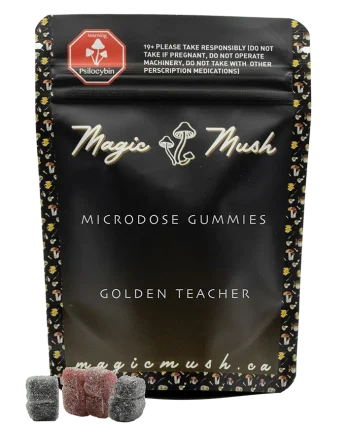
Golden Teacher Gummies for Microdosing
$25.00Melmac Dried Magic Mushroom
Price range: $60.00 through $195.00Aztec Gods Magic Mushrooms Bundle Item
$60.00


The Impact of Complex Trauma on Daily Life
Struggling to Cope
“For years, I felt like I was stuck in a loop—reacting to the world from a place of fear and defensiveness. Every interaction felt like a potential threat, and I couldn’t shake the feeling that I was fundamentally broken. It wasn’t until I began understanding how trauma reshapes the brain and body that I realized these patterns weren’t my fault—they were survival mechanisms.” This realization was crucial in my journey. I started to see that my defensive responses, like pushing people away or overreacting to small events, were rooted in my body’s attempt to protect me from harm—emotional harm, that is.
How Trauma Rewires the Brain and Body
Complex trauma doesn’t just leave emotional scars; it physically alters the way the brain processes information and responds to stimuli. For instance, the hyperactivity of the amygdala can lead to increased anxiety and a constant sense of fear or danger. In relationships, this often results in difficulties trusting others or feeling constantly on guard. This heightened state of awareness may have worked as a survival mechanism during childhood, but it becomes maladaptive when carried into adulthood. Understanding this brain-body connection was eye-opening for me, and it began to shift my perspective on my struggles.
The Impact on Relationships and Health
In personal relationships, complex trauma can manifest as a deep fear of abandonment or intimacy, which can drive people to either cling to relationships or push others away entirely. I learned that my pattern of pushing others away when they got too close was a result of not feeling safe in vulnerable situations. On the physical side, chronic stress and the emotional toll of trauma can result in problems such as chronic pain, digestive issues, and sleep disorders. I found that it wasn’t just my emotions that were affected—my whole body was holding onto the weight of my trauma.

Steps to Begin the Healing Journey
Healing from complex trauma is a profound and often daunting process, but it’s also incredibly rewarding. When I first started my healing journey, I didn’t know where to begin. It felt overwhelming, like there was no clear path out of the pain. But over time, I realized that healing requires intentional steps, a willingness to be vulnerable, and the understanding that progress doesn’t always look linear. Below, I’ll share the steps that helped me along the way, hoping they can be useful to you in your own journey.
Acknowledging the Pain
The first step in my healing process was the hardest: acknowledging the pain. For years, I tried to push it down, to bury it deep within me, hoping it would go away on its own. But trauma has a way of resurfacing, no matter how much we try to ignore it. It wasn’t until I allowed myself to truly sit with my emotions, to feel the anger, sadness, and confusion, that I began to heal.
I won’t lie; it was terrifying. Confronting the pain of complex trauma felt like reopening old wounds. But I soon realized that by avoiding the pain, I was only prolonging my suffering. I had to allow myself the space to experience those emotions, to let them out in healthy ways, such as journaling or talking with a trusted friend or therapist. Acknowledging the pain didn’t mean I had to stay stuck in it forever—it simply meant I was taking the first step toward understanding and ultimately healing from it.
Seeking Professional Support
Healing from complex trauma is not something most people can do alone. I strongly encourage anyone on this journey to seek professional support. Trauma-informed therapy is crucial for addressing the deep, often hidden impacts of complex trauma. Over time, I found a therapist who specialized in trauma, and that made all the difference. The right therapist can help you understand the underlying mechanisms of trauma, offer coping strategies, and guide you as you unpack and process painful memories.
There are several therapeutic approaches that can be helpful for healing trauma, including Eye Movement Desensitization and Reprocessing (EMDR), Somatic Experiencing (SE), and Internal Family Systems (IFS). These therapies are designed specifically to address the way trauma is stored in the body and mind, helping to integrate those memories and emotional responses in a way that allows for healing. If you’re unsure where to begin, I recommend doing some research to find a trauma-informed therapist who resonates with you and is experienced in treating complex trauma.

Creating Safety
When you’ve experienced complex trauma, your body and mind can feel like unsafe places. A key aspect of healing is learning how to create safety, both physically and emotionally. This was one of the most important lessons I learned. In my case, creating safety meant developing new habits that helped me feel grounded and secure in my own body.
One practice that helped me was grounding exercises, which involve focusing on your body and the present moment. These can be as simple as noticing the sensation of your feet on the floor or taking deep, slow breaths to calm your nervous system. Grounding exercises help remind you that you’re not stuck in the past; you are here, now, and you are safe.
Mindfulness also became an essential tool in my journey. It allowed me to stay present without being overwhelmed by the past. I practiced mindfulness by focusing on my breath or paying attention to the sights, sounds, and smells around me. These simple practices helped me feel more connected to my body and less at the mercy of my trauma responses.
Another crucial step in creating safety was learning how to set boundaries, both with myself and with others. For someone who had experienced complex trauma, boundaries were often blurry or nonexistent. I had to relearn what it meant to protect myself emotionally, to say “no” when I needed to, and to prioritize my own needs without guilt.
Building Resilience Through Small Wins
Once I started feeling a bit more grounded, I began to focus on building resilience. This didn’t mean pushing through everything all at once or trying to “fix” myself. Instead, it meant acknowledging and celebrating small wins—moments when I felt a little stronger, a little more in control. Whether it was getting through a tough therapy session, expressing an emotion I had long suppressed, or even just taking a walk when I was feeling overwhelmed, every small win helped me feel more empowered.
Building resilience is about creating positive reinforcement for yourself. It’s about acknowledging that healing is a process, and that progress, even if it feels slow at times, is still progress. Celebrate the little victories—no matter how insignificant they may seem—because they are all part of your larger healing journey.

Cultivating Self-Compassion
As I moved forward in my healing, I realized that self-compassion was one of the most powerful tools I had. For a long time, I was my own harshest critic. I believed that I wasn’t doing enough, that I should be “over it” by now, and that my struggles weren’t valid. But through therapy, mindfulness, and self-reflection, I started to practice being kind to myself.
Self-compassion means treating yourself with the same care, understanding, and patience that you would offer a loved one. It means forgiving yourself for mistakes, not holding yourself to impossible standards, and accepting that healing is messy and non-linear. When I began to cultivate self-compassion, I noticed that I was more patient with myself, more open to the healing process, and more able to embrace the journey ahead, even when it got difficult.
Moving Toward Post-Traumatic Growth
As I began to heal, something beautiful happened—I started to experience what’s known as post-traumatic growth. While complex trauma can leave deep scars, it can also catalyze incredible personal growth. This doesn’t mean that the pain goes away or that you forget what you’ve been through, but rather that you find new meaning in your experiences and emerge stronger, wiser, and more resilient.
Post-traumatic growth allowed me to reclaim joy, to rediscover my sense of purpose, and to build deeper, more meaningful connections with others. I began to realize that while my trauma had shaped me, it didn’t define me. I could choose how to move forward, and I had the power to create a life that wasn’t dominated by my past.
Every step of the way, I learned more about myself, about my resilience, and about the potential for healing. Moving from survival to thriving is a long, difficult journey, but it’s one that’s worth taking. It’s a journey that can lead to a deeper understanding of who you are and what you’re capable of.

From Surviving to Thriving: Redefining Your Identity
The Shift from Surviving to Thriving
Thriving didn’t mean that the pain disappeared—it meant that I learned to live alongside it without letting it control me. I started rediscovering joy in small moments, connecting with others authentically, and envisioning a future that wasn’t defined by my past. The process of healing from complex trauma isn’t about erasing the past—it’s about rewriting the narrative of your life and reclaiming your sense of self.
Post-Traumatic Growth: A New Way of Living
For me, thriving meant learning to not only cope with my past but also to use it as a stepping stone to become stronger. Post-traumatic growth (PTG) is a phenomenon that occurs when individuals find new meaning, develop greater resilience, or discover a renewed sense of purpose following trauma. It was through facing my trauma that I found a deep sense of compassion for myself and a stronger sense of connection to others. This growth is not immediate, but over time, I found myself moving from survival mode into a space of genuine joy and fulfillment.

The Role of Psychedelics in Healing Complex Trauma
Exploring Psilocybin Therapy
When traditional methods plateaued, I explored psilocybin therapy under professional guidance. It wasn’t a cure-all, but it opened doors I didn’t know existed—helping me process suppressed emotions and reconnect with parts of myself I’d long buried. Shrooms for complex PTSD are gaining growing recognition in therapeutic circles, especially for individuals dealing with long-term or developmental trauma. Psilocybin, the active compound in magic mushrooms, has shown promising results in clinical research as a tool for healing trauma. It encourages emotional breakthroughs, increases emotional flexibility, and promotes a sense of interconnectedness—offering a path forward when other interventions have failed to bring lasting relief.
The Science Behind Psychedelic Healing
Emerging research on psilocybin therapy for trauma and PTSD suggests that psychedelics can help people confront suppressed memories, emotions, and fears in a safe and controlled environment. Psilocybin, when used in combination with therapy, helps rewire the brain and can reduce the intense emotional responses that often accompany trauma triggers. This approach doesn’t replace traditional therapy—it enhances it by opening pathways for emotional processing that might have been previously inaccessible.
Integration: Psychedelics and Professional Support
While the psychedelic experience itself can be profound, the real transformation comes through integrating those insights into daily life. Professional guidance is essential in helping individuals make sense of their psychedelic experiences, process difficult emotions, and apply the insights gained during the journey. For me, integrating these experiences into my life, with the support of a therapist, allowed me to understand my trauma from a new perspective and foster long-lasting healing.

Challenges and Hope Along the Way
Embracing the Non-Linear Healing Process
“Some days, it felt like I was back at square one—overwhelmed by the very emotions I thought I’d moved past. But every step backward came with a deeper understanding, and eventually, I learned to trust the process. Healing isn’t about perfection; it’s about persistence.” The road to healing from complex trauma is filled with ups and downs. Some days are harder than others, and setbacks are inevitable. But with each challenge, I grew stronger. Trusting the process means accepting that healing doesn’t happen all at once. It’s a journey that requires patience, persistence, and self-compassion.
Begin Your Healing Journey with Magic Mush
Healing from complex trauma is not a linear journey, but it’s a journey worth taking. By acknowledging the pain, seeking professional support, and understanding how trauma rewires the brain, individuals can take the first steps toward healing. Through this process, we move from simply surviving to thriving, reclaiming joy, and reestablishing control over our lives. Psilocybin therapy, alongside trauma-informed therapies, offers a powerful path for addressing the deep-seated wounds caused by complex trauma, providing opportunities for emotional breakthroughs and lasting change.
The healing journey doesn’t have to be walked alone. With the right resources and guidance, it is entirely possible to experience profound transformation. Psilocybin, used responsibly and under professional supervision, has been shown to support individuals in processing and integrating past trauma. It can unlock insights and healing in ways traditional therapies alone might not, helping you reconnect with yourself and others in a meaningful, authentic way.
At Magic Mush, we’re here to support you on this transformative journey. As a trusted source for premium magic mushrooms and transformative experiences, we offer high-quality products with therapeutic potential to help you take control of your healing process. Whether you are new to psilocybin or experienced in its use, our commitment to safety, education, and quality ensures that you’ll have a supportive and informed experience. Our team of experts is dedicated to providing knowledge and guidance so you can explore the benefits of magic mushrooms with confidence.
Explore the transformative potential of psilocybin therapy with Magic Mush. With our rigorous product testing, education on safe usage, and exceptional customer support, we’re your partner in unlocking the power of psychedelics for healing. Whether you’re interested in Mushroom gummies, Microdose capsules, Magic mushroom chocolates, or Dried magic mushrooms, we offer premium products that meet the highest standards of quality.
Join our community and discover a world of possibilities that can guide you toward a life of thriving, not just surviving. Whether you’re located in Magic Mushrooms Toronto or elsewhere, our resources and support will help you every step of the way. Ready to take the first step? Shop now and embark on your journey to healing with Magic Mush today!