Everyone said music for mushrooms would change me. That it would be the portal. That under the right dose, with the right playlist, I’d dissolve into the infinite, sob uncontrollably at a cello solo, maybe even feel the universe breathing through a perfectly timed beat drop. So I planned carefully. Dim lights, incense, a cozy blanket, and a playlist I found on a psychedelic forum labeled “Life-Changing Mushroom Journey: Cosmic Edition.” I took my 3 grams, settled in, and waited for liftoff.
And then… nothing. The music felt kind of corny. Too dramatic. Or too quiet. Or too busy. I found myself skipping track after track, annoyed more than moved. Even songs I normally loved felt hollow or distracting. There were no tears. No sense of divine connection. Just me, slightly uncomfortable, trying to force myself into awe. And I’ll admit it — I felt broken. Like maybe something in me wasn’t open enough or sensitive enough. Wasn’t this the part where everything was supposed to make sense?
That trip left me with more questions than answers. It also left me wondering if I was alone in this — or if maybe the sacredness of silence had something to teach me too. If you’ve ever had that “meh” moment in the middle of a mushroom trip while everyone else raved about the music — this one’s for you.
READ: The Ultimate Music Festival Essentials List
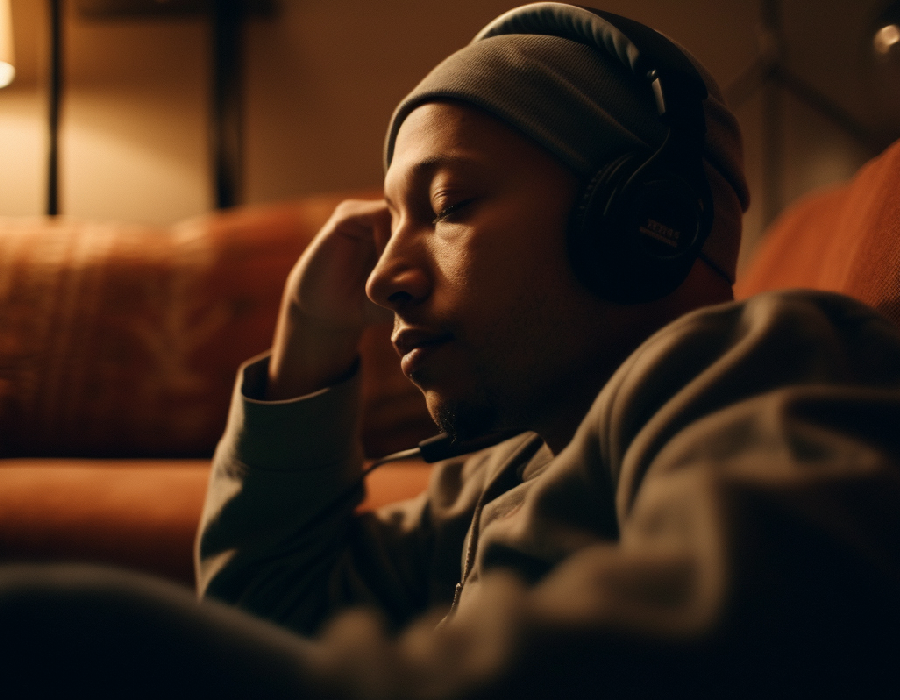
Why Music Doesn’t Always Hit the Same Way on Mushrooms
To understand why music might not “work” on mushrooms, it helps to look at what’s going on in the brain during a psilocybin trip. Psilocybin affects several key areas: the default mode network (which governs our sense of self), the limbic system (emotions), and various sensory pathways. This is why sounds can feel richer, emotions more intense, and time more fluid. For many people, music under psilocybin acts like an emotional amplifier — it helps release tears, catalyze insights, or guide inner journeys.
But this isn’t a universal experience. Some people find music during a trip too overwhelming, or oddly emotionless. Sometimes, instead of opening up, the mind clamps down. The brain, anticipating a big reaction, can actually freeze — especially if there’s performance anxiety or the pressure to “feel something profound.” This is called expectancy bias, and it can create a frustrating gap between what you think should happen and what actually does.
In some cases, it’s not about the music at all — it’s about the context. Maybe your body was tense. Maybe your mind was racing. Maybe the people you were with didn’t feel safe enough for you to really let go. The truth is, music doesn’t exist in a vacuum. Your environment, your company, your emotional state, even what you ate earlier that day — all of that affects how you receive sound.
Culturally, too, our expectations around music and psychedelics are shaped by a Western lens. In many Indigenous traditions, silence is the container. Other traditions rely on repetitive drumming, chanting, or the sounds of nature. There’s no single “correct” way to use sound during a trip. What works for one person might not work for another — and that’s not a flaw, it’s a feature of your unique nervous system.
When Music Feels Like Noise
One major reason music might fall flat — or feel actively unpleasant — is because it overstimulates your senses. Psilocybin already heightens sensory input, and if the music has too many layers, vocals, or sudden shifts, it can feel more like chaos than comfort. Some people, especially those who are neurodivergent or have auditory sensitivities, might find this especially difficult to manage. It’s like trying to meditate while someone blasts a movie trailer in your ear.
In one trip, I remember hearing a familiar song that normally gave me chills — but under mushrooms, it felt hollow, almost mechanical. Like I was seeing the scaffolding behind the emotion instead of the emotion itself. It didn’t bring me deeper. It pushed me away. And instead of feeling awe, I felt confused. I eventually paused the music altogether and just sat with the hum of the wind outside. That’s when the real shift happened — when I stopped trying to curate and just started listening to what was.
Silence, as it turns out, can be deeply psychedelic. Without a soundtrack directing your emotions, you’re left to encounter whatever arises naturally. Your breath. Your heartbeat. A rustle in the trees. The quiet voice inside you that’s been drowned out by daily noise. It’s in this stillness that many people report having their most profound realizations — not guided by melody, but by presence.
Check out this magic mushroom!!

A.P.E Psilocybin Chocolate Bar
$60.00Dried Penis Envy Magic Mushrooms
Price range: $60.00 through $240.00Golden Teacher Gummies for Microdosing
$25.00


It’s Not You — It’s the Music (Or Maybe the Timing)
If music doesn’t land, it doesn’t mean you’re closed off or emotionally blocked. It just means that in that moment, that particular input didn’t serve your process. Sometimes music can feel too structured when your inner world is trying to melt. Or too sentimental when your heart is craving truth. Or too controlling when your mind wants to wander freely.
It’s also possible that the music was technically good, but it wasn’t right for you. There’s a big difference between ambient instrumental tracks and lyrical songs with emotional hooks. One might open you up, the other might make you overthink. Traditional healing music like icaros, tribal drumming, or even nature soundscapes can offer a more grounded, less cognitively “busy” alternative. The key is experimentation, without pressure.
Another possibility: maybe you weren’t ready to receive. Psychedelics often reflect our inner landscape. If there’s resistance, fear, or distraction bubbling under the surface, even the most moving track might feel empty. That doesn’t mean you failed — it just means your system needed something else. Stillness. Space. Time.
Try not to make meaning out of the lack. A quiet trip is still a trip. A musicless journey can still shift your entire life. The medicine works even when you don’t feel fireworks.
READ: Music to Listen to While on Shrooms: This Is What You Should Listen to During A Trip
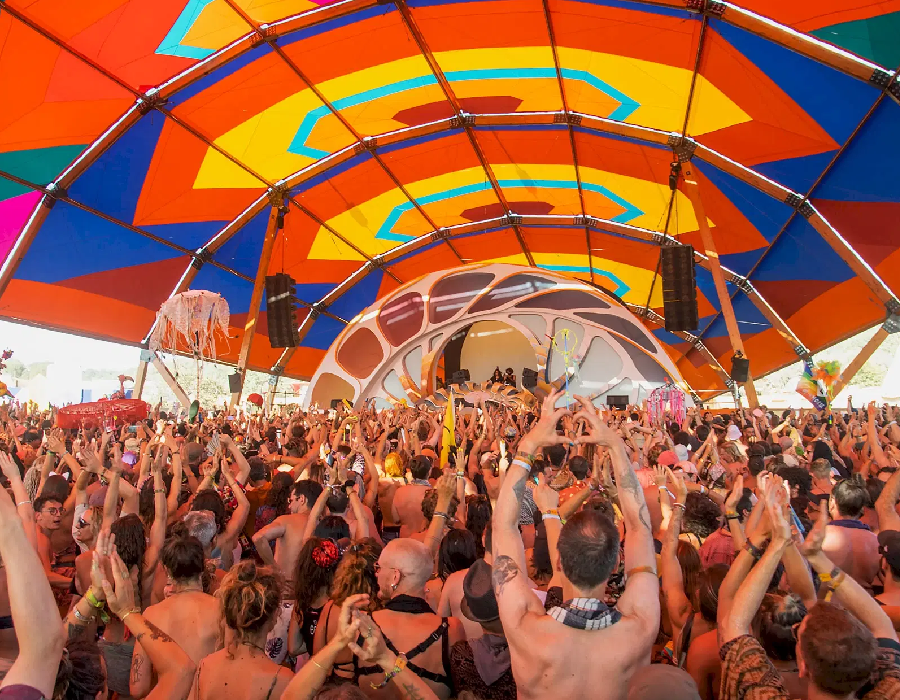
What to Try Instead — And How to Reframe the Experience
If you’ve found that music consistently doesn’t do it for you during trips, it might be time to lean into other anchors. Focus on your breath. Notice bodily sensations. Watch the way light dances on the ceiling or how shadows move on the wall. Sit in nature and let the forest be your orchestra. Let the present moment guide you, not a playlist.
Still want to include sound? Try different textures. Some people respond better to slow ambient drones, chimes, or soft nature sounds. Others enjoy binaural beats or solfeggio frequencies, which can subtly influence brainwave states. It’s not about finding the perfect sound — it’s about discovering your rhythm.
And most importantly: let go of the idea that a trip has to look or sound a certain way. The most transformational journeys often defy expectations. If you came in expecting a cosmic concert and instead received quiet reflection — trust that. There’s wisdom in the “meh” moments. Sometimes, they’re clearing space for something deeper.
What Microdosing Tells Us About Music Sensitivity
When it comes to microdosing, the connection between music and mood is even more nuanced. Some people report that music feels richer, more detailed, or more emotionally resonant on a microdose. Others say they actually feel overstimulated by sound and prefer silence or natural ambient noise. Neither response is wrong.
The beauty of microdosing is that it heightens subtle awareness. That means if music does feel off, it might be pointing to something deeper — like emotional fatigue, sensory overwhelm, or a need to slow down. Rather than pushing through or forcing an emotional response, see it as a chance to get curious. What does feel nourishing in that moment? A walk in nature? A warm bath? A quiet room?
Microdosing teaches us to listen — not just to music, but to ourselves. It’s less about orchestrating the perfect mood and more about tuning in to what’s already there. And if silence feels like the most honest soundscape? That’s just as valid as any playlist.
READ: How to Microdose Psilocybin: A Beginner-Friendly Guide

Let Go of the Playlist Pressure — And Let Magic Mush Guide You
Not feeling music on mushrooms doesn’t mean you’re broken. It means you’re paying attention to your unique wiring, your authentic experience, your true needs in that moment. This article explored how psilocybin interacts with the brain and emotions, how expectations and overstimulation can get in the way, and why silence or alternate sounds might be more aligned for certain individuals. Whether you’re navigating your first trip or deep into the psychedelic path, the message remains the same: you don’t have to feel what others feel to have a meaningful journey.
At Magic Mush, we celebrate that uniqueness. As Canada’s trusted source for premium magic mushrooms in Ottawa and transformative experiences, we’re here to help you create journeys that are grounded, safe, and attuned to you. Whether you’re into playlists or prefer the symphony of silence, we provide high-quality products like dried magic mushrooms and chocolate shrooms. Our focus is education, safety, and community — because we know that mushrooms aren’t one-size-fits-all.
We also offer curated educational resources to help you navigate everything from set and setting to audio environments and integration practices. If you’re wondering how to tailor your trip to match your personal preferences — including whether to use music or not — our team can help you figure it out. We don’t believe in forcing an experience. We believe in meeting it, honestly and openly.
So if you’re ready to explore the world of psychedelics on your own terms, with full support and zero judgment, let Magic Mush be your guide. Discover new depths, experiment with what moves you, and maybe — just maybe — allow the quiet to sing. Because sometimes, the most profound soundtrack isn’t a song. It’s the sound of you finally listening.
And if you’re still navigating what works for you — whether it’s complete silence, forest sounds, or a single note held for hours — Magic Mush is here to walk that path with you. We believe the psychedelic experience is deeply personal, and we’re committed to helping you shape it with intention and self-trust. Our team is always ready to answer questions, recommend products, or guide you through your own exploration of sound, setting, and self-discovery. You don’t need to fit into anyone’s trip template. You get to define your own.
So next time the music doesn’t move you, don’t panic. Don’t push. Instead, pause. Listen to the subtle rhythm of your own body, the breath between moments, the quiet that holds it all. That’s the real symphony — and it doesn’t require a playlist. Let Magic Mush support you in exploring those subtle spaces with care, compassion, and quality you can trust. We’re not just about the mushrooms. We’re about the meaning you make with them.
At the end of the day, your journey is yours alone — and that’s exactly where its magic lies. Whether you find bliss in a sound bath or revelation in silence, there’s no wrong way to experience psilocybin. Magic Mush is here to remind you that the path to healing, growth, and self-awareness doesn’t need to be loud to be powerful. Trust your instincts, honor your process, and let your inner world set the tone. When you’re ready, we’re here — with guidance, community, and everything you need to feel safe exploring what truly resonates.