I remember the first time I heard about synthetic psilocybin. It was a casual conversation with a friend who was passionate about the growing trend of pharmaceutical companies entering the psychedelic space. “Big Pharma is making magic mushrooms into a pill,” they said, almost matter-of-factly. At first, it sounded like a step forward—standardized doses, legal access, and no risk of eating the wrong mushroom or dealing with the potential dangers of misidentification. The idea of a controlled, consistent experience seemed appealing. But as I delved deeper into the topic, I started to wonder—are we losing something essential by reducing an ancient, sacred medicine to a single molecule in a lab?
Over the years, as interest in psychedelics has exploded, synthetic psilocybin has garnered a lot of attention, especially within the medical and research communities. Companies like COMPASS Pathways and Usona Institute are racing to create a pharmaceutical version of psilocybin, hoping to unlock its therapeutic potential for mental health conditions such as depression, anxiety, and PTSD. There’s no doubt that the standardized nature of synthetic psilocybin offers certain advantages. It’s more predictable, easier to dose, and provides an avenue for legal access in clinical trials. However, what about the full experience of consuming natural magic mushrooms, the profound journey that comes with not just the psilocybin, but the many other compounds that exist within the mushroom’s natural structure? Can synthetic psilocybin really replicate that experience, or does it miss out on something vital?
The debate between synthetic psilocybin and natural mushrooms is heating up, with people on both sides advocating for their preferred approach. Some argue that synthetic psilocybin provides a more controlled, clinical experience that makes it safer and more accessible for medical use. Others, however, claim that the natural magic mushroom experience holds a depth and richness that synthetic versions simply cannot replicate. After all, magic mushrooms have been used for thousands of years by indigenous cultures for spiritual and healing purposes. There’s something sacred about the whole mushroom—something that goes beyond just the chemical compound of psilocybin. But is it really possible to capture that ancient wisdom and transformative experience in a laboratory setting?
In this article, we’ll dive into the differences between synthetic psilocybin and natural magic mushrooms. We’ll explore the science behind each, discuss the potential benefits and drawbacks of each approach, and consider what might be lost when we take the magic out of the mushroom. By the end, you’ll have a deeper understanding of the ongoing debate, and perhaps, a better sense of whether synthetic psilocybin is truly the future of psychedelics or if there’s something irreplaceable about the whole mushroom experience. So, let’s get into it and see what’s really missing when we strip away the full fungi.
READ: Cordyceps: Natural Support For Vitality and Stamina
What is Synthetic Psilocybin?
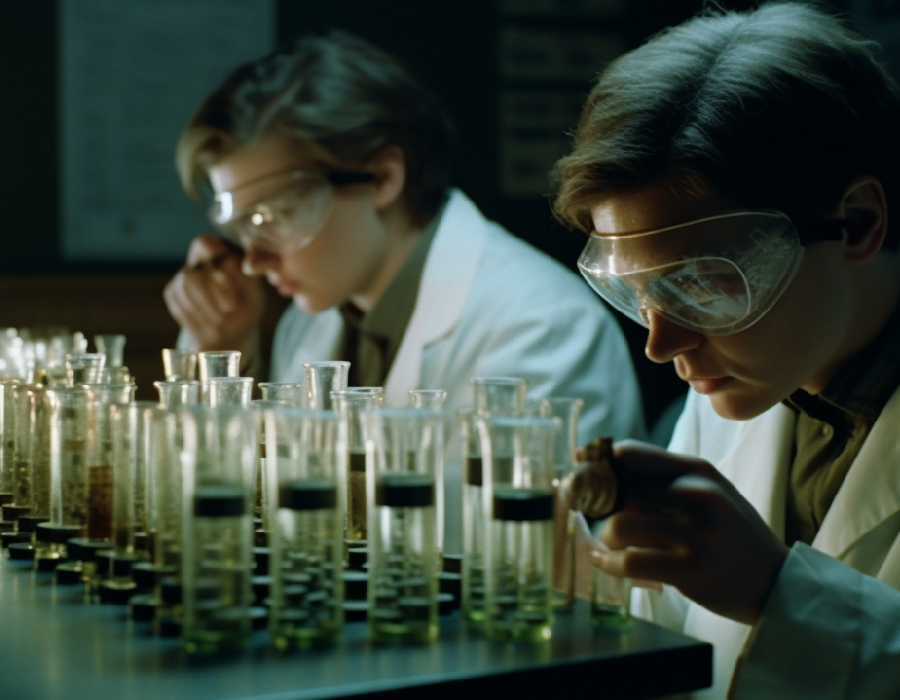
Synthetic psilocybin is essentially the lab-created version of the active compound found in magic mushrooms. Chemically, it’s identical to the psilocybin that naturally occurs in the fungi, but there’s a huge difference in how it’s made and consumed. Psilocybin, when ingested, is converted by the body into psilocin, the substance responsible for the psychedelic effects. While psilocybin mushrooms contain this molecule, they also have other compounds that could play a significant role in the overall experience.
The push for synthetic psilocybin came from the need for standardized dosing. In clinical settings, doctors and researchers want to ensure that the psilocybin patients or participants receive is consistent. Whole mushrooms, of course, can vary in strength depending on factors like species, growing conditions, and age. Synthetic psilocybin solves that issue by offering a precise, reproducible dose, allowing for better control in studies and therapies.
But there’s more to the story. Synthetic psilocybin is also being developed because it offers pharmaceutical companies a way to patent and control the compound. In other words, it’s easier to make money from a standardized, mass-produced substance than from the unpredictable natural mushroom, which grows freely in nature. Major biotech companies like COMPASS Pathways and Usona Institute are at the forefront of this development, hoping to unlock psilocybin’s potential as a treatment for conditions like depression, PTSD, and anxiety. But as they race toward clinical trials, it’s worth considering: Are they truly capturing the full essence of psilocybin, or is something being lost in the process?
The Entourage Effect: Why Mushrooms Are More Than Just Psilocybin
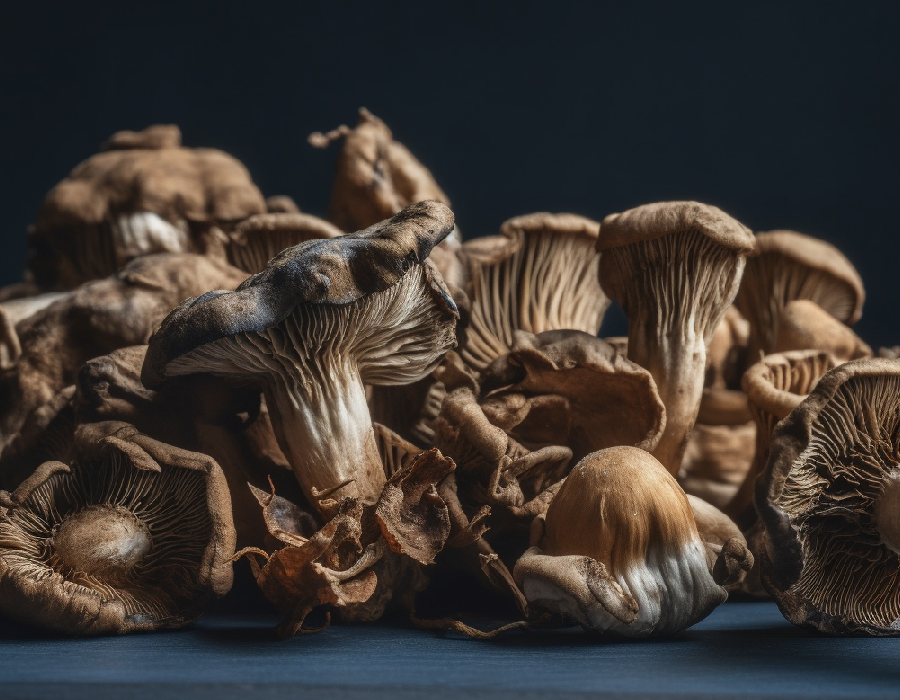
Magic mushrooms aren’t just made up of psilocybin. They contain a cocktail of other naturally occurring compounds that could contribute to the overall effects. Psilocin, for example, is the active compound your body produces when it breaks down psilocybin. Then there are baeocystin and norbaeocystin, which are lesser-known but potentially psychoactive alkaloids that might play a role in the mushroom experience.
Mushrooms also contain beta-glucans, which are compounds known for their immune-boosting and anti-inflammatory properties. These additional molecules create a synergy that may enhance the therapeutic effects of the mushroom. This is often referred to as the “entourage effect,” a term used to describe how multiple compounds work together to produce a unique, holistic effect. It’s a concept that’s been explored in cannabis as well, where the combination of THC, CBD, and other cannabinoids is believed to offer a more balanced and beneficial experience than isolated compounds alone.
Many psychonauts argue that synthetic psilocybin lacks this entourage effect. While synthetic psilocybin mimics the main psychoactive ingredient, it may not deliver the same rich, multidimensional experience that natural mushrooms do. In their view, synthetic psilocybin can feel flat or even clinical—like you’re missing out on the full journey. Some users have reported that the natural mushrooms evoke a more profound emotional or spiritual experience, which is something that synthetic psilocybin hasn’t quite matched.
Check out this magic mushroom!!

A.P.E Psilocybin Chocolate Bar
$60.00Dried Penis Envy Magic Mushrooms
Price range: $60.00 through $240.00Golden Teacher Gummies for Microdosing
$25.00


Science & Research: Synthetic vs. Natural Psilocybin
In the realm of scientific research, synthetic psilocybin is often the go-to for clinical studies. After all, it offers a consistent, standardized product that’s easier to measure and test. Major research institutions, including Johns Hopkins, have conducted groundbreaking studies using synthetic psilocybin to treat conditions like depression and anxiety. The results are promising, with some participants experiencing life-changing improvements in their mental health.
However, this doesn’t necessarily mean that synthetic psilocybin perfectly replicates the natural experience. One of the biggest gaps in research is the limited understanding of how the other compounds in magic mushrooms contribute to the effects. While synthetic psilocybin might give participants a controlled, predictable trip, there’s little evidence to suggest it can deliver the same depth of experience as the whole mushroom.
Natural mushrooms have been used for centuries in spiritual and therapeutic contexts, and many users claim they provide a richer, more nuanced experience. Anecdotal reports often describe feelings of connection to nature, heightened creativity, or a profound sense of peace. Synthetic psilocybin, by contrast, is more commonly described as clear-headed and focused. While this can be beneficial in a medical or therapeutic context, it might not capture the full potential of psilocybin as a tool for self-discovery or spiritual growth.
That said, there are undeniable benefits to synthetic psilocybin. For one, it’s much easier to access and control. Researchers and clinicians can administer a precise dose, and patients don’t have to worry about the risks associated with misidentifying wild mushrooms or contaminants like mold. In medical settings, these factors are important for patient safety. So while natural mushrooms might offer a richer, more complex experience, synthetic psilocybin has its place in advancing psychedelic research and therapy.
The Cultural & Spiritual Loss of Isolating Psilocybin
The use of magic mushrooms has deep roots in Indigenous traditions, particularly in the Mazatec culture of Oaxaca, Mexico. For centuries, healers have used whole mushrooms in sacred ceremonies to connect with the divine and facilitate healing. To many, the experience of consuming mushrooms in their natural form—often in the context of a spiritual ritual—is an integral part of the medicine. It’s not just about the compound itself, but about the entire journey: the environment, the preparation, the intention, and the community.
The question then arises: Can synthetic psilocybin, produced in a lab and consumed in a sterile medical setting, carry the same power? Does a pill encapsulate the same spiritual and cultural significance as the whole mushroom? For some, the idea of reducing psilocybin to a chemical compound and removing it from its natural and spiritual context feels like a loss. They argue that it disconnects us from nature and reduces an ancient, sacred medicine to just another pharmaceutical product.
Taking synthetic psilocybin in a clinical setting might offer valuable therapeutic benefits, but it doesn’t recreate the holistic, ritualistic experience of ingesting magic mushrooms in the wild. There’s something about the act of harvesting or foraging for mushrooms, preparing them with care, and consuming them in a place of natural beauty that adds depth to the journey. For many, it’s not just about the trip—it’s about the entire experience.
READ: An Enthusiast’s Guide to Psilocybe Aztecorum
Psychedelic/Microdosing Connection
When it comes to microdosing, some users prefer natural psilocybin, claiming that it offers a more balanced, holistic effect. They argue that the subtle entourage effect of the mushrooms creates a sense of harmony and wellbeing that synthetic psilocybin doesn’t quite replicate. Microdosers often emphasize the importance of connecting with the plant in its natural form, whether it’s through dried mushrooms or freshly brewed mushroom tea.
Synthetic psilocybin, on the other hand, offers a more controlled experience, which is appealing to some microdosers who prefer the consistency of a standardized dose. There’s also the possibility that pharmaceutical companies might develop standardized microdosing capsules in the future, making it easier for people to access precise doses without the need to forage or prepare their own mushrooms. But will these capsules capture the full potential of the psychedelic experience, or will they miss out on the magic of the full mushroom?
READ: Shroom Gummies Canada for Anxiety: A Natural Way to Relax
Discover the Full Mushroom Experience with Magic Mush
In our exploration of synthetic psilocybin versus natural magic mushrooms, we’ve covered a lot of ground, from understanding the science behind synthetic compounds to examining the rich cultural and spiritual significance of the full mushroom experience. Synthetic psilocybin, being chemically identical to the natural version, offers predictable and controlled effects, which is ideal for clinical trials and therapeutic settings. However, it seems to fall short of capturing the unique complexity of the whole mushroom experience. The entourage effect, with its mix of psilocybin, psilocin, baeocystin, and other compounds, creates a deeper, more holistic journey that many feel cannot be replicated in a lab. While synthetic psilocybin shows promise, especially in terms of dosage control and medical accessibility, it is clear that something intrinsic is lost when we isolate psilocybin from its natural home in the mushroom.
On the other hand, natural magic mushrooms continue to carry a rich history of use in indigenous ceremonies, offering a profound connection to nature and spiritual practices. The full mushroom experience, with its blend of chemical compounds, seems to provide not only therapeutic benefits but also an emotional and spiritual depth that synthetic versions might lack. While synthetic psilocybin has its place in modern medicine and research, it is impossible to ignore the centuries-old traditions and the potent experience offered by the whole mushroom. As we move forward, it’s crucial to continue exploring both paths and appreciating what each can offer in the growing world of psychedelics.
At Magic Mush, we believe in offering more than just products—we provide a transformative experience. Our premium selection of magic mushrooms bundles, chocolate shrooms, and shroom gummies ensure that you’re getting the most potent and high-quality products available on the market. Whether you’re exploring psilocybin for therapeutic purposes, microdosing for mental wellness, or seeking a spiritual journey, our mushrooms are carefully tested and selected to give you a safe, holistic, and enriching experience.
We’re committed to not only providing exceptional products but also promoting education and safe usage. As part of our mission, we aim to destigmatize magic mushrooms in Toronto and Ottawa, ensuring that everyone can explore their potential in a supportive and safe environment. With the guidance of our experts and access to high-quality products, you can trust that your journey with Magic Mush will be both insightful and empowering.
Ready to explore the benefits of magic mushrooms? Visit Magic Mush today and take the first step toward unlocking a world of possibilities. Whether you’re a first-time user or a seasoned psychonaut, we’ve got the resources, support, and products you need to elevate your experience. Join our community, stay informed with the latest psychedelic research, and shop with confidence at Magic Mush. It’s time to challenge biases and embrace the transformative power of psychedelics.