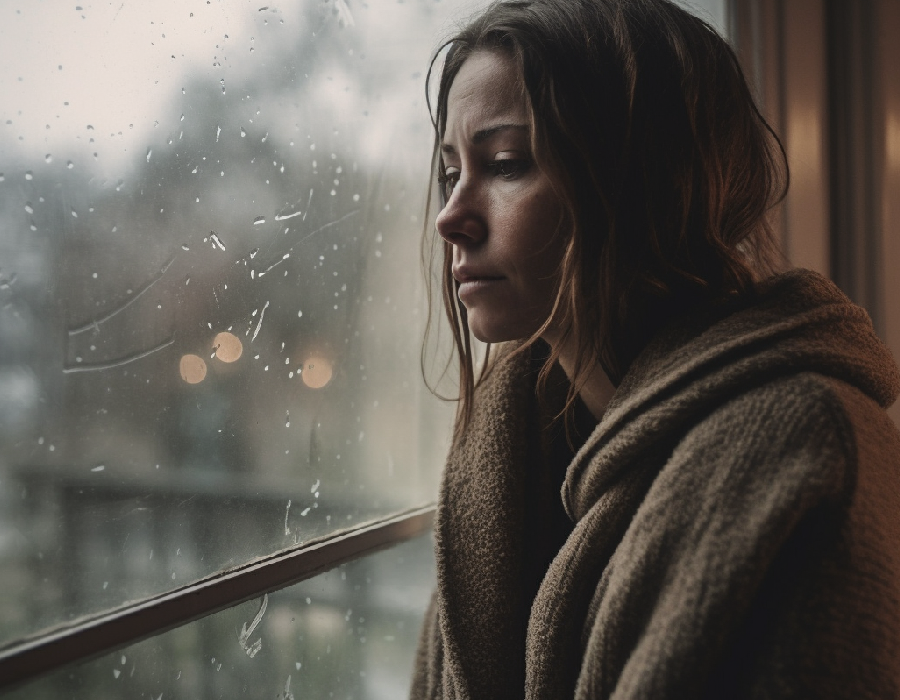
Every year, like clockwork, the winter months hit me like a heavy blanket I can’t shake off. As the days get shorter and the temperatures plummet, something inside me seems to dim as well. It’s not just the cold air; it’s a deeper sense of heaviness that settles in, making even simple tasks feel like monumental challenges. The mornings are darker, the sun feels further away, and no matter how many blankets I pile on or extra hours of sleep I get, fatigue is always lurking in the background. It’s like a mental fog that refuses to lift, and I can’t seem to shake it. Going for walks feels exhausting, even though the fresh air should help, and the thought of meeting friends or doing anything beyond existing is overwhelming. I lose interest in my hobbies, avoid social plans, and find myself retreating more into solitude.
That’s the reality of Seasonal Affective Disorder (SAD)—a type of depression that typically kicks in when the seasons change, especially in the darker winter months. For me, it’s more than just feeling a bit down during the holidays; it’s a profound sense of emotional withdrawal, a tiredness that nothing seems to fix, and a mood that sinks lower each day as sunlight becomes a rare commodity. The winter months feel isolating, and it can be hard to remember what it feels like to be energized and joyful when you’re trapped in that cyclical pattern of gloom.
READ: Healing from Within: Recognizing and Addressing the Signs of Emotional Trauma in Adults
But last winter, I tried something new: microdosing psilocybin, the active compound in magic mushrooms. I didn’t expect miracles, but I figured, why not give it a shot? After all, there’s been a growing body of research suggesting that psychedelics like psilocybin may have a positive impact on mood disorders. I had heard stories from others who overcame depression and anxiety without medication, so I decided to try it myself. At first, the changes were subtle. It wasn’t like I woke up to a magically brightened world. But after a few weeks, I noticed something: the heaviness, while still present, seemed less suffocating. My energy levels were better, I felt lighter, and the fog that usually clouded my thoughts seemed to clear just enough for me to feel more connected to the world around me. It wasn’t a dramatic transformation, but it was something, and that something was enough to make me want to keep going.
Psilocybin works by influencing serotonin production in the brain, which plays a major role in regulating mood. For those of us who suffer from SAD, the lack of sunlight can lead to a significant drop in serotonin, making it harder to feel motivated, happy, or even normal. In theory, psilocybin could help regulate serotonin levels and give our brains a much-needed boost during the darker months. I didn’t know exactly how it worked, but I started to feel like there was potential in this approach—a way to tackle the winter blues that didn’t rely on traditional treatments or just “waiting out” the season. Could psilocybin be the answer to combatting SAD? Or at least, make it a little more bearable?
As I continued my experiment with microdosing, I felt more in tune with the world around me, more open to engaging with others, and more motivated to get out of bed in the morning. It wasn’t a cure, and it didn’t erase the challenges of the winter months, but it definitely provided some relief. That’s why I started looking deeper into how psilocybin could help people like me, who experience the seasonal dip in mood and energy, and if it might be an accessible way for others to cope with their own experiences of SAD. It felt like discovering a possible light at the end of the long, dark tunnel of winter.
This article will dive into the science behind Seasonal Affective Disorder, how psilocybin works on the brain, and why microdosing mushrooms can be good for depression. We’ll look at the emerging research on how psilocybin interacts with serotonin levels, how people are using it for mood support, and explore real-world examples of how microdosing can help lift the fog of SAD. For anyone who’s ever felt weighed down by the winter blues and wondered if there’s another way to cope, this could be a transformative approach to consider. And while there’s still much to learn, the idea that psilocybin could offer a way to navigate the toughest months of the year is one that’s worth exploring.
Check out this magic mushroom!!

A.P.E Psilocybin Chocolate Bar
$60.00Dried Penis Envy Magic Mushrooms
Price range: $60.00 through $240.00Golden Teacher Gummies for Microdosing
$25.00


What Is Seasonal Affective Disorder (SAD)?
Seasonal Affective Disorder (SAD) is a form of depression that occurs during certain seasons, most often in the fall and winter when daylight hours are shorter. For those affected, it can feel like the emotional weight of the season gets heavier with every passing day. The hallmark symptoms of SAD are persistent low mood, irritability, and a general lack of interest in activities that once brought joy. People with SAD often experience an overwhelming sense of fatigue, even after a full night’s sleep, which leads to a cycle of social withdrawal. Social activities, like meeting friends or going out, can feel too overwhelming to handle, and suddenly, the idea of staying at home in hibernation mode seems much more appealing.
In addition to these emotional symptoms, SAD often comes with physical changes. Cravings for carbohydrates and sugar become more common as the body tries to compensate for the lack of energy, and concentration can become difficult, often referred to as “brain fog.” While some people experience these symptoms mildly, for others, SAD can be debilitating, affecting their ability to function in everyday life.
What Causes SAD?
The causes of SAD are linked to the changing seasons, and in particular, the reduction in sunlight exposure that comes with shorter days and longer nights. This lack of light can disrupt several key biological systems in the body. One of the most important factors is serotonin, the neurotransmitter responsible for regulating mood. Serotonin levels naturally drop during the winter months when there is less sunlight, leading to feelings of sadness and hopelessness.
Another key player is melatonin, the hormone that controls our sleep-wake cycles. As days grow darker, the body starts producing more melatonin, which makes us feel sluggish and sleepy, even during the day. This increase in melatonin, combined with the lack of serotonin, contributes to the tiredness and emotional lows associated with SAD.
Lastly, the brain’s internal clock, or circadian rhythm, is also affected by the changing light. With less sunlight, the body struggles to maintain a healthy sleep-wake cycle, leading to disrupted sleep patterns and emotional dysregulation. It’s like your brain is constantly out of sync, making it even harder to shake off the seasonal slump.
READ: Transforming Trauma: Recognizing The 7 Stages of Trauma Healing

How Psilocybin May Help with SAD
Psilocybin, the naturally occurring psychedelic compound found in certain mushrooms, has been gaining attention for its potential therapeutic benefits. While it is primarily known for its role in altering perception and consciousness, recent research has shown that psilocybin may offer significant promise in treating mood disorders, including depression.
A 2020 study from Johns Hopkins University found that psilocybin-assisted therapy resulted in long-lasting reductions in depressive symptoms, with participants experiencing improvements for up to a year. While this study wasn’t focused on SAD specifically, it suggests that psilocybin’s impact on mood could help those suffering from seasonal mood disorders. Psilocybin works by interacting with serotonin receptors in the brain, essentially “resetting” the brain’s mood-regulation pathways. This process may help lift the emotional fog that so many experience when the winter months roll in.
Moreover, research published in Nature in 2022 highlighted psilocybin’s potential to promote neuroplasticity—the brain’s ability to form new, healthier neural connections. This could help individuals struggling with SAD create new patterns of thinking and emotional processing that are less influenced by the seasonal dips in mood. Imagine your brain building new pathways that help you stay emotionally stable even when the sun hides away for longer stretches of time.
Interestingly, there is growing curiosity about the potential relationship between cyclothymia and magic mushrooms, as both researchers and individuals with cyclothymic tendencies explore whether psilocybin can offer support in stabilizing mild mood fluctuations. Cyclothymia, often described as a less intense form of bipolar disorder, presents with alternating low-grade depression and hypomania—making mood regulation particularly challenging. While formal studies are still in early stages, anecdotal reports suggest that psilocybin may help some individuals experience more emotional balance and greater insight into their mood cycles.
Early anecdotal evidence from psilocybin microdosing communities suggests that small, sub-perceptual doses of psilocybin may help counteract the symptoms of SAD. Many users report that microdosing can bring subtle but meaningful improvements in mood, energy, and overall well-being, even during the darkest days of winter.
Microdosing Psilocybin for SAD: What People Report
While high-dose psilocybin therapy has shown promise in research studies, many people turn to microdosing as a more accessible and daily approach to managing their mood throughout the winter months. Microdosing involves taking small, sub-threshold doses of psilocybin that don’t induce a full psychedelic experience but may provide therapeutic effects on mood, energy, and cognition. Successful microdosing protocols also involve taking breaks.
Many users of microdosing psilocybin report experiencing a slight but noticeable lift in their mood. It’s not a dramatic high, but rather a subtle elevation that can feel like a mental “reset.” For many, it’s akin to opening a window on a stuffy day and letting in fresh air. Microdosing also seems to help boost energy levels, replacing the sluggishness typical of SAD with a sense of lightness and motivation. Some users also find that it enhances their creativity and makes social interactions feel easier, helping them reconnect with friends, family, and hobbies that might otherwise fall by the wayside during the winter months.
In a 2021 study published in Frontiers in Psychology, researchers found that microdosers of psilocybin reported lower levels of depression and anxiety compared to those who didn’t microdose. While research in this area is still ongoing, many people with SAD have turned to microdosing as a way to support their mental health through the darker months, and early feedback has been promising.
READ: How Do You Know If You Have Depression: Recognizing Signs and Symptoms
Psilocybin + Sunlight: A Potential Winter Mood Hack
One of the key ways that psilocybin may help individuals with SAD is by supporting serotonin production. As mentioned earlier, serotonin plays a crucial role in regulating mood, and psilocybin interacts with serotonin receptors to help modulate these levels. Interestingly, sunlight also stimulates serotonin production, which is why light therapy is often recommended for those with SAD.
Some individuals who microdose psilocybin have found that combining their doses with exposure to natural light creates a synergistic effect. Microdosing on a regular schedule, along with taking morning walks outside—even on cloudy days—can help counteract the sluggishness and mood dips associated with winter. It’s not a magic bullet, but it may offer a mental boost when combined with healthy habits like outdoor exercise and exposure to natural light.
For example, I began microdosing every few days and made a point to take brisk walks in the morning, even when the sun was hiding behind clouds. By February, while the seasonal heaviness was still present, it felt more manageable—a distant whisper instead of an overwhelming roar. This routine, although not a cure-all, certainly made the winter months more bearable.
Mindful Use: Important Considerations
As with any experimental treatment, it’s important to approach psilocybin with mindfulness and caution. Psilocybin is still under investigation, and its long-term effects on conditions like SAD are not yet fully understood. While early research and anecdotal reports show promise, psilocybin should not be considered a guaranteed solution for everyone. Individual responses to psilocybin vary, and it’s essential to track mood changes and adjust usage as needed.
For some individuals, combining microdosing with other therapeutic methods, such as cognitive-behavioral therapy (CBT), may enhance the effects of psilocybin. If you struggle with deeper, treatment-resistant symptoms, a combination of psilocybin and therapy could provide a more comprehensive approach to managing SAD.
READ: A Guide to Microdosing Psilocybin for Major Depression for Women

Take Control of Your Mood with Magic Mush
In conclusion, Seasonal Affective Disorder (SAD) can make the winter months feel like an endless struggle, but emerging research and anecdotal evidence suggest that psilocybin could offer a ray of hope. By boosting serotonin levels naturally and promoting neuroplasticity, psilocybin, particularly through microdosing, has shown promise in helping individuals manage the emotional heaviness and lack of energy that often accompanies the darker seasons. Microdosing provides a subtle but noticeable boost in mood, energy, and motivation, allowing individuals to engage more fully with life, even when the days feel gray and long. While research is still ongoing, the early signs are encouraging, making psilocybin an intriguing option for those looking for alternative ways to cope with winter blues.
As we continue to explore the potential of psilocybin for seasonal mood disorders like SAD, it’s essential to remain mindful of its experimental nature and to approach it with caution. Tracking your progress and combining microdosing with other healthy habits like sunlight exposure and therapy could be the key to a well-rounded approach. If you’re considering trying psilocybin as a part of your winter wellness routine, it’s important to explore trustworthy resources and seek guidance from reliable providers who prioritize safety and education.
At Magic Mush, we are committed to providing premium magic mushroom products like shroom gummies and empowering individuals to unlock the therapeutic potential of psychedelics. We believe in promoting safe usage, offering high-quality products, and educating our community on how to use psilocybin responsibly. With our rigorous testing standards and dedication to ensuring a safe, supportive environment, Magic Mush is the ideal partner for those looking to explore the benefits of psilocybin. Whether you’re new to the world of psychedelics or a seasoned user, our products are crafted to meet the highest standards of quality and safety, providing you with a transformative experience you can trust.
If you’re ready to take control of your seasonal mood changes and discover how psilocybin can help brighten your winter, Magic Mush has everything you need. Our easy-to-navigate online shop offers a range of products designed to support your mental wellness, while our expert team is here to provide guidance and education. With Magic Mush Vancouver, you’re not just purchasing products; you’re joining a community committed to challenging stigmas and fostering positive change in the world of psychedelics. Visit us today and explore how we can help you unlock the full potential of magic mushrooms for your mental well-being.